Crisis Leadership

Leadership under pressure is not a personality trait. It is the product of preparation, values, and the specific capacity to make a consequential decision with incomplete information, under conditions designed to prevent clear thinking, when the cost of the wrong call is immediate and irreversible. Leadership under pressure requires the capacity to know what the right call is and to make it even when everything in the environment argues against it.
NORTH ATLANTIC OCEAN * OCTOBER 27, 1962
Nuclear War: Averted
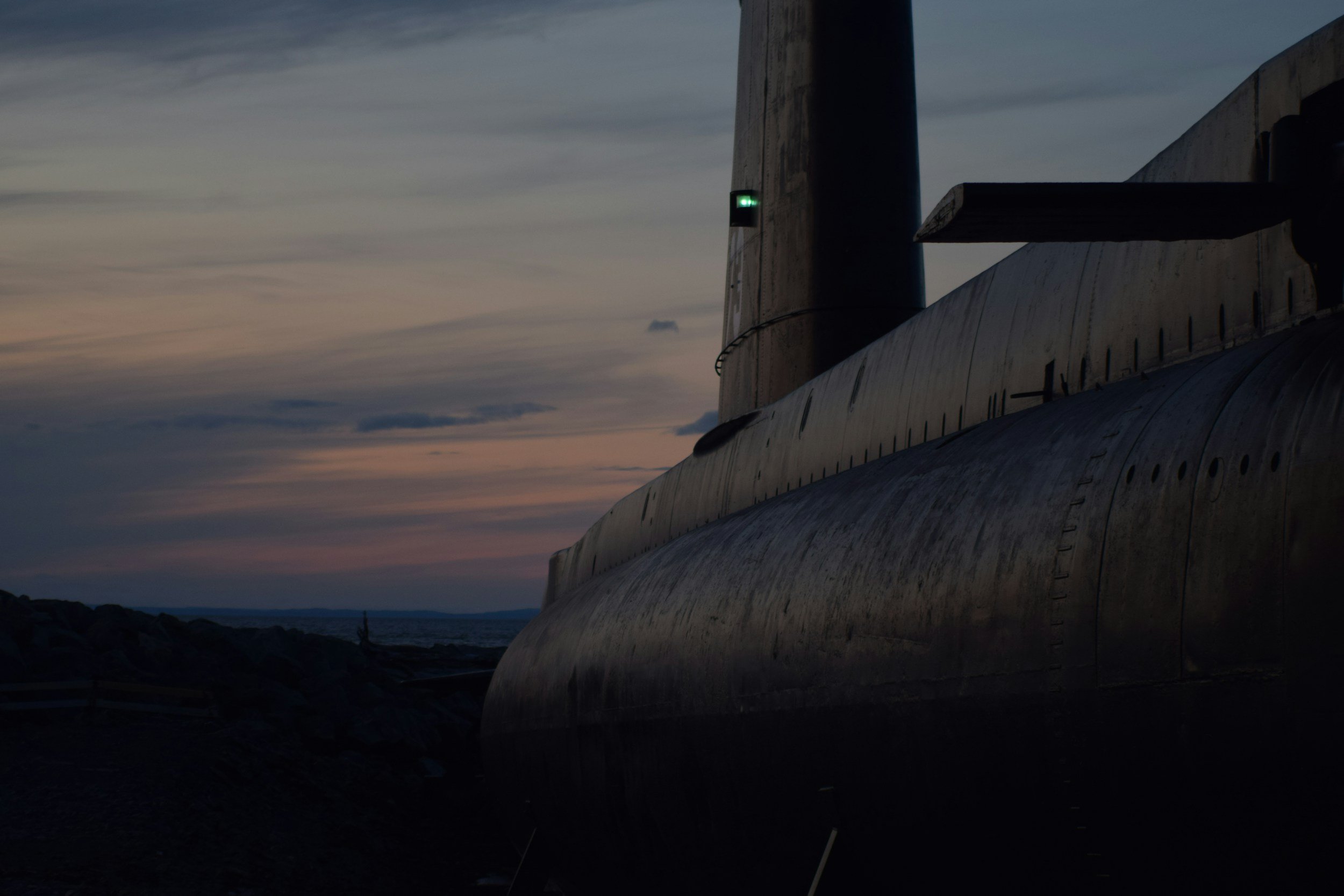
The Cuban Missile Crisis was thirteen days of the most dangerous nuclear standoff in history. On day thirteen, a Soviet submarine officer made a decision that most historians believe prevented nuclear war. His name was not known in the West for forty years.
On October 27, 1962, the Soviet submarine B-59 was operating in the North Atlantic near Cuba, cut off from communication with Moscow for several days. The submarine had been located by US Navy forces and was being subjected to practice depth charges — signaling devices intended to force it to surface for identification. Inside B-59, the crew did not know they were practice charges. They believed they were under attack.
B-59 carried a nuclear torpedo. Soviet operational protocol at the time required the agreement of three officers to authorize its launch: the captain, the political officer, and the executive officer. The captain, Valentin Savitsky, believed his submarine was being destroyed and that war had begun. He wanted to launch. The political officer agreed. The executive officer, Vasili Arkhipov, did not.
Arkhipov argued against the launch. He was the only one of the three who did. The protocol required unanimity. Without his agreement the torpedo could not be fired. He held his position under conditions of extreme stress, in a submarine that had been submerged beyond its operational limits, with a crew that believed they were in the middle of a war, facing a captain who outranked him in operational authority and who had made his intention clear.
The B-59 surfaced. The crisis passed. Thirteen days after it began, the Soviet Union agreed to remove its missiles from Cuba. The nuclear exchange that would have followed the launch of a nuclear torpedo by a Soviet submarine during the most acute nuclear standoff in history did not occur.
Arkhipov's role in those events was not known in the West until 2002, when declassified documents from both sides of the Cold War made the full account of B-59 available. The director of the National Security Archive, Thomas Blanton, has said that Arkhipov saved the world. Arkhipov himself never made that claim. He died in 1998 without public recognition of what he had done.
The protocol required unanimity. Arkhipov was the only officer who did not agree. He held that position in a submarine the crew believed was being destroyed, facing a captain who had made his intention clear. The torpedo was not fired. The crisis passed. He never spoke publicly about what that cost him.
CAPE CANAVERAL, FLORIDA * JANUARY 27 - 28, 1986
Mission Control
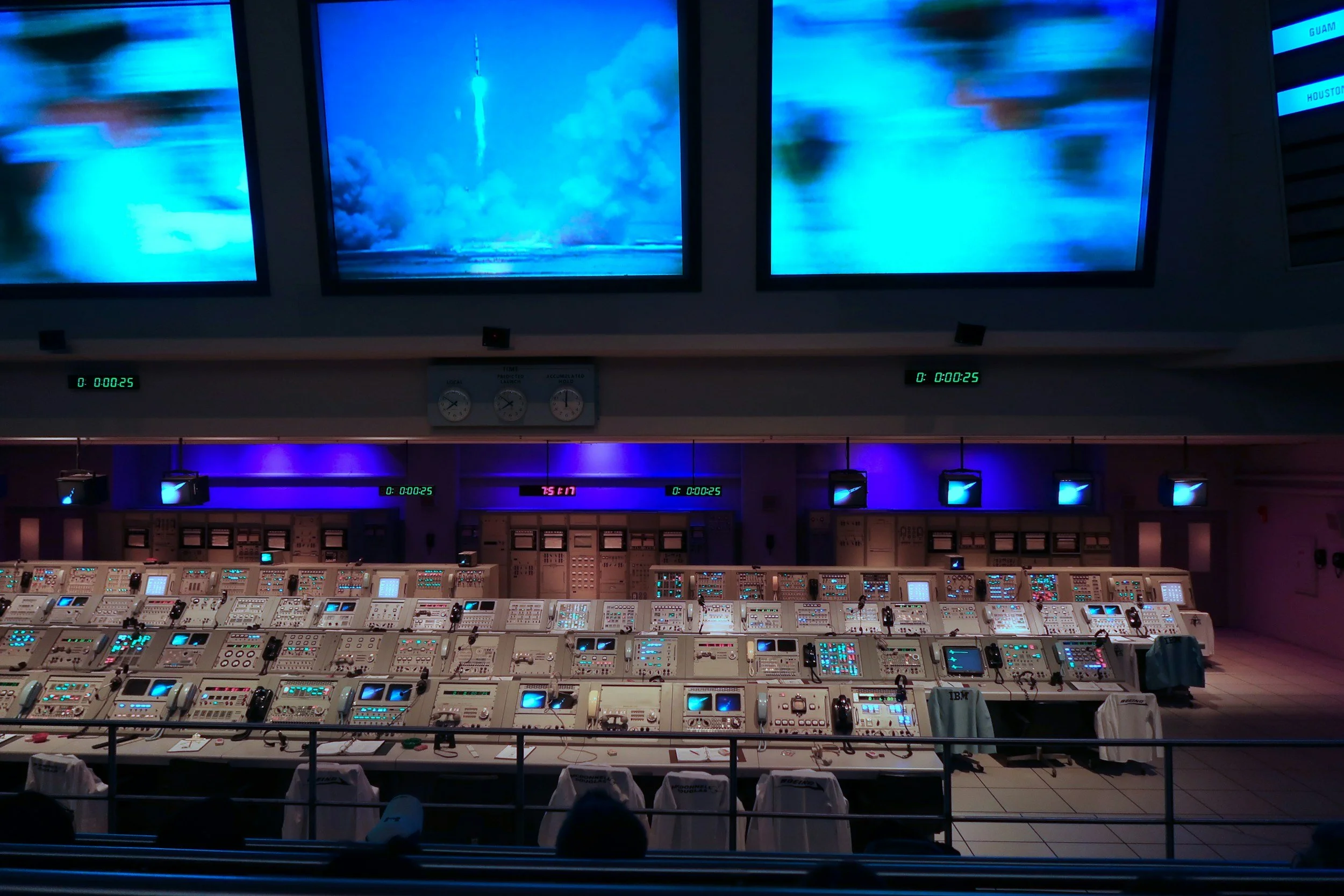
Seven astronauts. A launch that should not have happened. And the engineers whose objections were overruled the night before, whose names the Rogers Commission made public, and whose warning the decision-making culture of NASA was not built to hear.
The Space Shuttle Challenger launched at 11:38 a.m. on January 28, 1986. Seventy-three seconds later it broke apart. All seven crew members were killed. The cause was the failure of an O-ring seal in the right solid rocket booster, a component whose performance in cold temperatures had been a documented engineering concern for months.
The night before the launch, engineers at Morton Thiokol, the company that manufactured the solid rocket boosters, presented data to NASA managers recommending against the launch. The temperature at Cape Canaveral the following morning was forecast to be significantly below the lowest temperature at which the O-rings had been tested. Roger Boisjoly and Arnie Thompson, the engineers most familiar with the O-ring data, argued that the launch should be delayed. Their argument was technically sound. Their data was real. They were right.
The decision-making process that overruled them has been studied in organizational behavior, engineering ethics, and crisis management for nearly four decades. NASA managers asked Thiokol management to make a management decision rather than an engineering decision. Thiokol management, under pressure, reversed the recommendation of their own engineers. The launch proceeded.
What the Challenger disaster produced institutionally was the Rogers Commission report, which identified not only the technical cause of the disaster but the organizational culture that had allowed known engineering concerns to be subordinated to schedule pressure and management hierarchy. The concept of psychological safety in organizational decision-making, the specific protocols for ensuring that technical objections reach decision-makers without being filtered by management layers, the ethics frameworks for engineering professionals facing pressure to approve what their data says to reject — these were built from what went wrong on the night of January 27, 1986.
Roger Boisjoly spent the years after Challenger speaking publicly about what had happened in that teleconference and what it required of engineering professionals facing similar pressure. He did not frame it as a story about NASA. He framed it as a story about what organizations do to the people inside them when the culture prioritizes the wrong things, and what those people are obligated to do when they know the decision being made is wrong.
NASA managers asked Thiokol management to make a management decision rather than an engineering decision. The engineers who had said no the night before watched the launch from the ground the following morning. Roger Boisjoly spent the rest of his career describing what that teleconference required of the people in it. The organizations that have learned from it built their safety cultures from what he said.
WASHINGTON, DC * JUNE 1 - 2, 2020
The Mayor
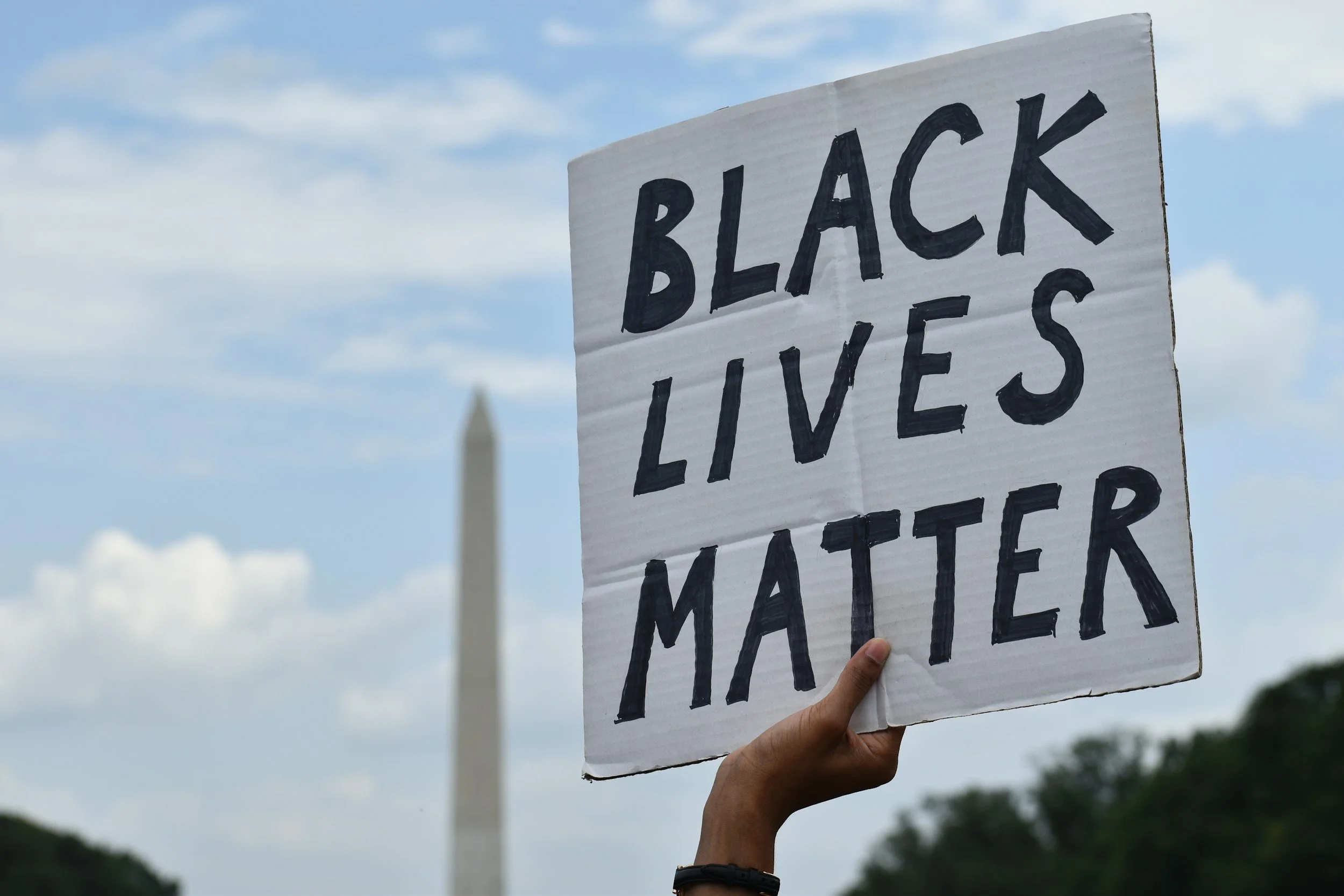
The President had announced military force would be used to clear American streets. Federal law enforcement was operating in her city without her consent. Mayor Muriel Bowser had 24 hours, the authority she had, and a decision to make about what her city would say about what was happening to it.
On the evening of June 1, 2020, the President of the United States stood in the Rose Garden and announced that he would deploy the military to American cities to end the protests that had followed the death of George Floyd. Federal law enforcement had already moved on peaceful protesters in Lafayette Square, using chemical irritants and physical force to clear the area before the President walked to St. John's Church for a photograph. National Guard troops had been deployed to the steps of the Lincoln Memorial. Military helicopters flew low over the city in a show of force that had not been authorized by the Mayor of the District of Columbia.
Muriel Bowser had not been consulted. She did not control the federal law enforcement agencies operating in her city. She did not have authority over the National Guard units that had been activated by the President. What she had was the DC Metropolitan Police Department, the platform of her office, and a clear understanding of the difference between what she controlled and what she did not.
In the 24 hours that followed, she used both with precision. She wrote letters to the President, the Attorney General, the Secretary of Defense, and the Chairman of the Joint Chiefs requesting the withdrawal of out-of-state National Guard and federal law enforcement from DC streets. She ordered DC Metropolitan Police not to assist federal law enforcement in crowd control operations, drawing a clear public line between what her department would and would not do. She held a press conference and said plainly what she believed was happening and what she believed was wrong about it.
And she had BLACK LIVES MATTER painted in 35-foot yellow letters on 16th Street, two blocks from the White House, on the street that leads to Lafayette Square.
The street painting was not symbolic decoration. It was a jurisdictional statement, made in the only medium that could not be ignored, on ground she controlled, visible from the air in a city full of military helicopters. It said, without ambiguity, whose street it was and what the city's government believed about what was happening on it.
The leadership Bowser demonstrated in those 24 hours was specific in its mechanism. She did not exceed her authority. She did not escalate beyond what the situation required. She operated precisely within the boundaries of what she could do, used every tool available within those boundaries, and made her position on everything outside them unambiguously clear. In a situation designed to be overwhelming, she was not overwhelmed. She was precise.
The Mayor operated within the boundaries of what she controlled, used every tool available within those boundaries, and made her position on everything outside them unambiguously clear. In a situation designed to be overwhelming, she was precise.
LONDON, ENGLAND * MAY 1940
The Mayor
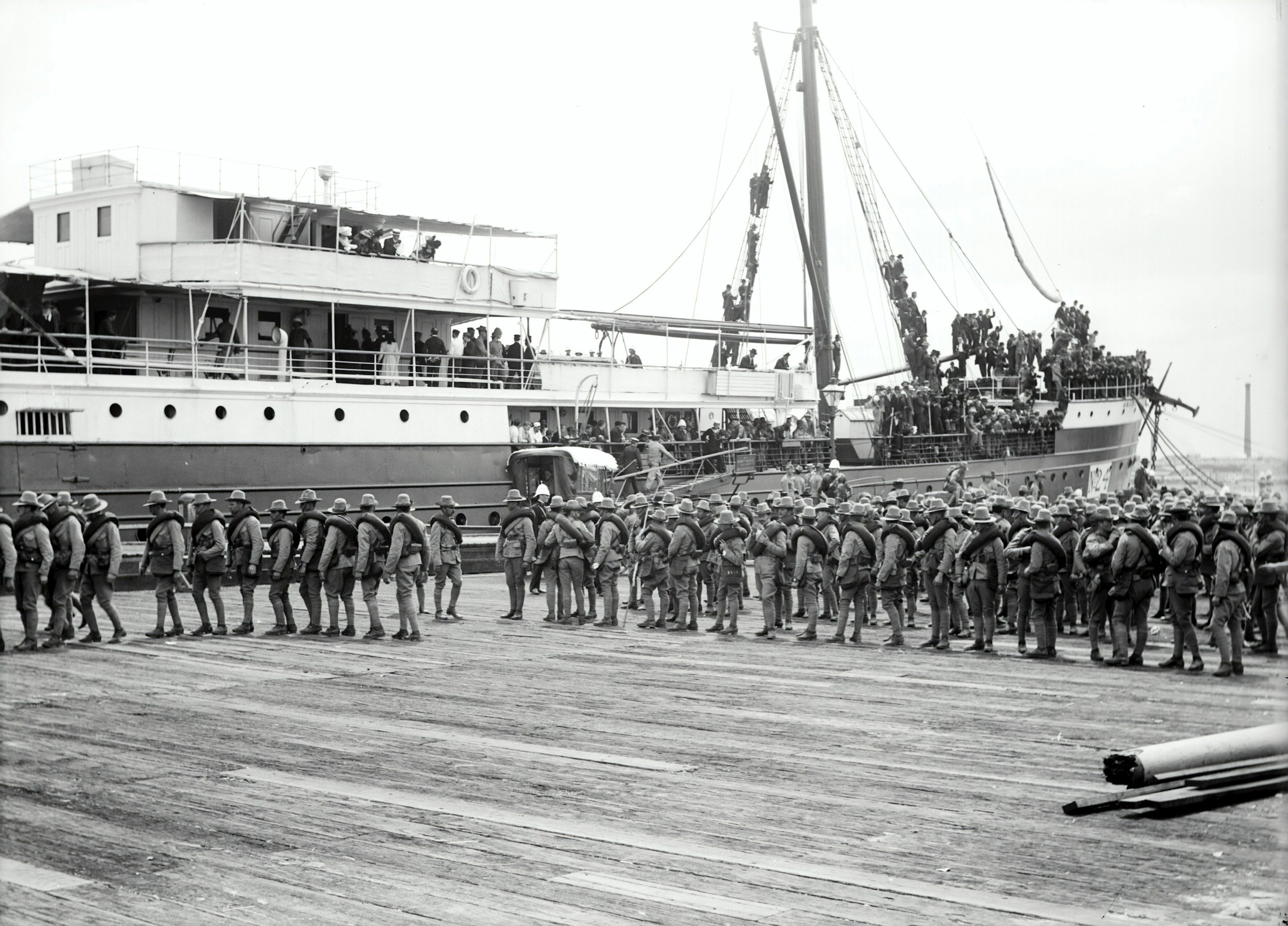
France was falling. The British Expeditionary Force was trapped at Dunkirk. The Foreign Secretary was proposing negotiations with Hitler through Mussolini. Winston Churchill had been Prime Minister for nine days. The decision he made in the Cabinet Room on May 28, 1940 was made without certainty, without guarantee, and against the advice of senior members of his own government.
Winston Churchill became Prime Minister on May 10, 1940, the same day Germany launched its offensive in the West. Within two weeks, France was collapsing, the British Expeditionary Force was surrounded at Dunkirk, and the War Cabinet was divided on whether Britain should seek a negotiated settlement through Italian mediation.
Lord Halifax, the Foreign Secretary, argued that an approach to Mussolini to explore terms was not appeasement. It was realism. Britain's military position was objectively desperate. The terms that might be available through negotiation could preserve British sovereignty in some form. The alternative, continued resistance, risked total defeat and terms far worse.
Churchill's position was not built on certainty that resistance would succeed. He did not know that it would. He did not have the intelligence that would have told him Hitler's terms would be unacceptable, that the RAF would hold in the Battle of Britain, that the United States would eventually enter the war. He was operating on incomplete information, under maximum pressure, nine days into a premiership that had begun at the worst possible moment.
What he had was a judgment about what negotiation with Hitler meant in practice, a reading of the British public's capacity to sustain resistance that Halifax did not share, and the understanding that the decision made in the Cabinet Room on May 28th would determine not just the immediate military situation but whether Britain remained a functioning sovereign state with the capacity to make its own choices. He argued against negotiation not from certainty of success but from the assessment that the alternative foreclosed every future option.
The War Cabinet voted against pursuing Halifax's proposal. The Dunkirk evacuation proceeded. 338,000 soldiers were rescued. The Battle of Britain was fought and won. None of that was guaranteed on May 28, 1940. The decision that made it possible was made in a room, by a man who had been Prime Minister for nine days, against significant internal opposition, without knowing how it would end.
Churchill did not know that resistance would succeed. He did not have the intelligence that would have told him the terms would be unacceptable or that the RAF would hold. He made the decision without certainty, against the advice of his Foreign Secretary, on the assessment that negotiation foreclosed every future option. That is what the decision required. He made it anyway.
Decisions made under pressure are made without certainty, without adequate information, and in many cases without institutional support. What they have in common is that the people who make the right call have already decided, before the moment arrives, what they value and what they would not do. That prior decision is the actual leadership act. The moment of pressure is where it is tested. The preparation is where it is made.
We Serve Those Who Serve Others.