
People First
We center our work on the people who stand between crisis and community. Everything we build supports their ability to act with clarity.
Behind every system, every coordinated effort, and every response, there is a team responsible for moving it forward. These are some of their stories.
Click Tile Below to Know More About Those Who Stand Between Crisis and Community
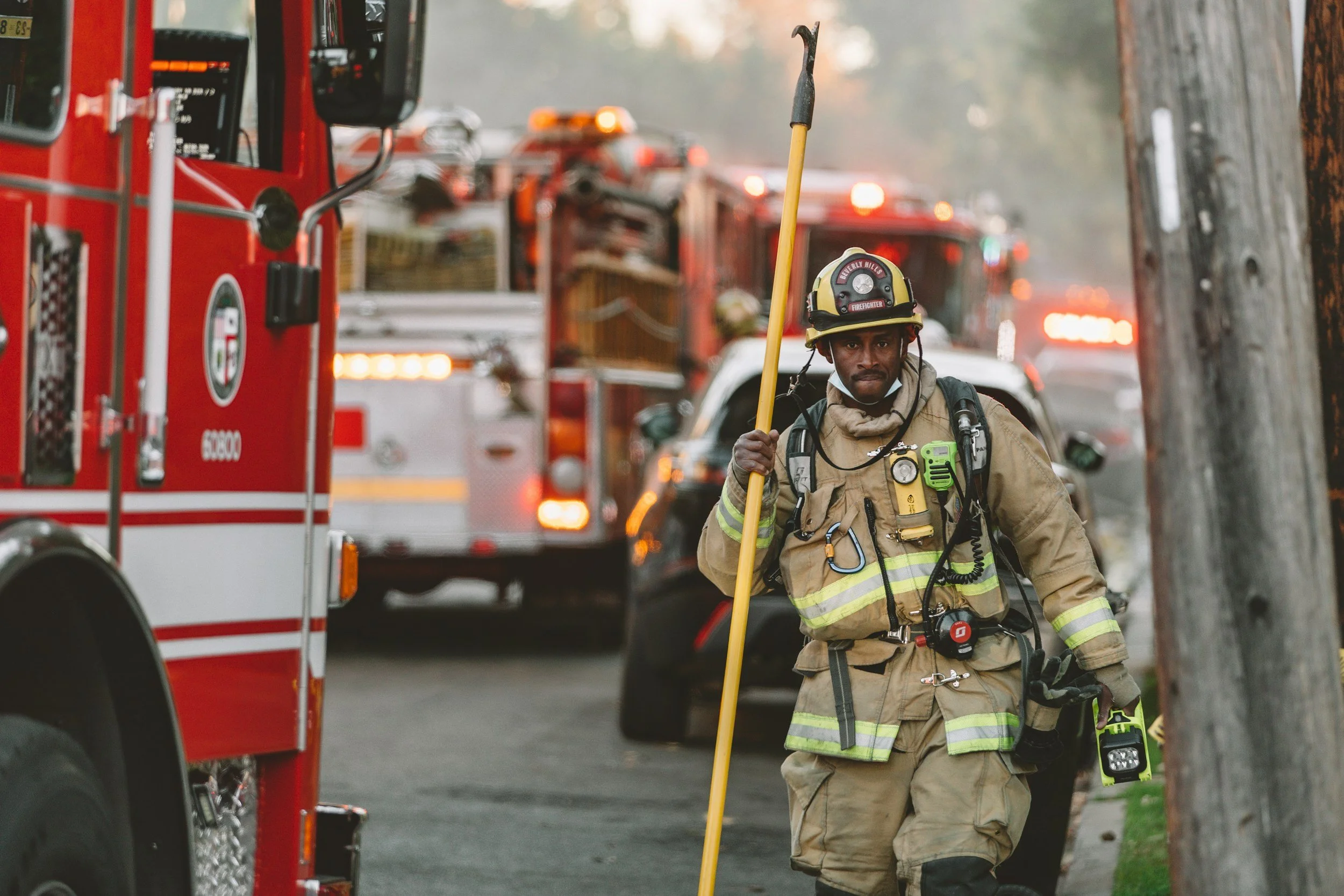
Fire Fighters
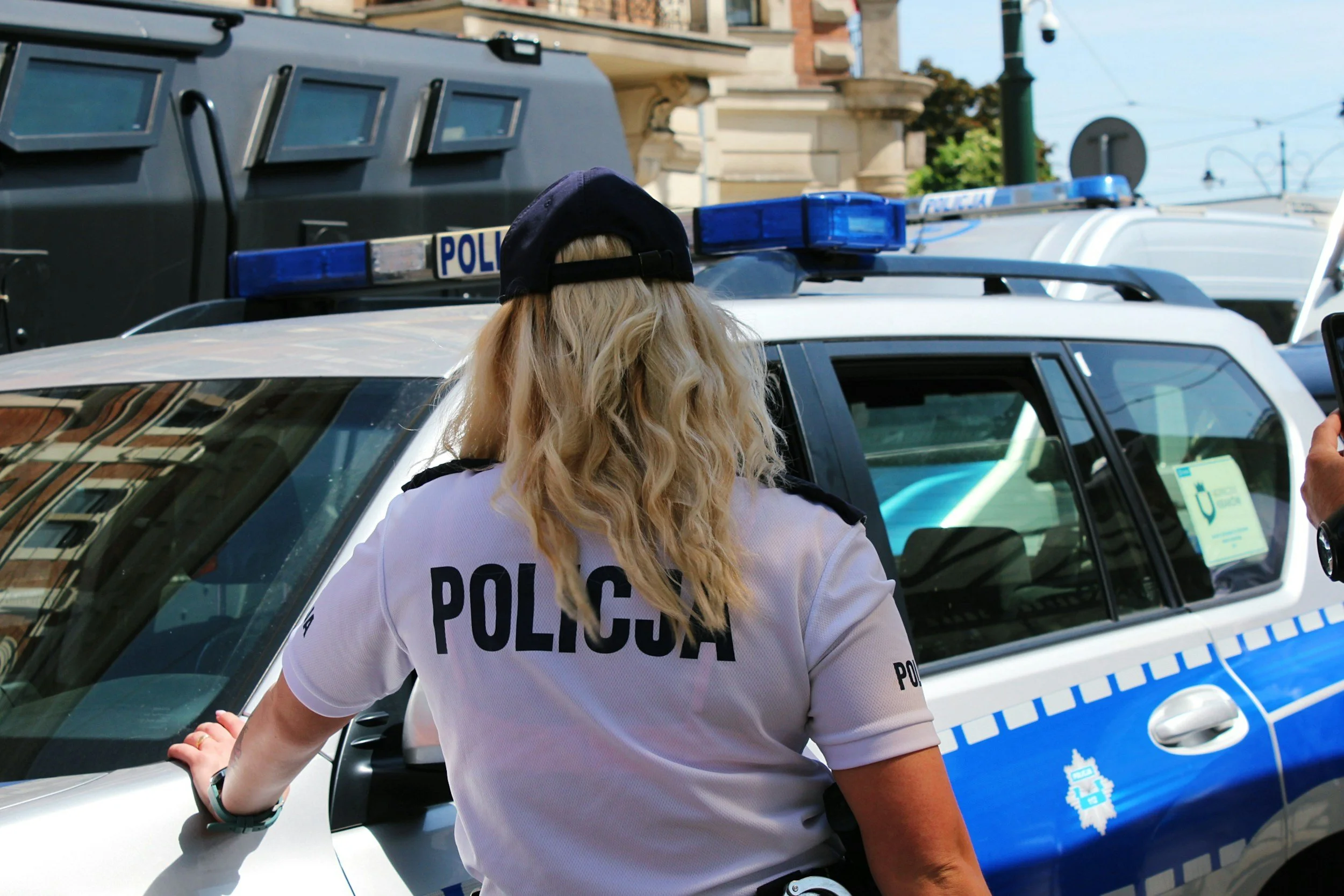
Law Enforcement
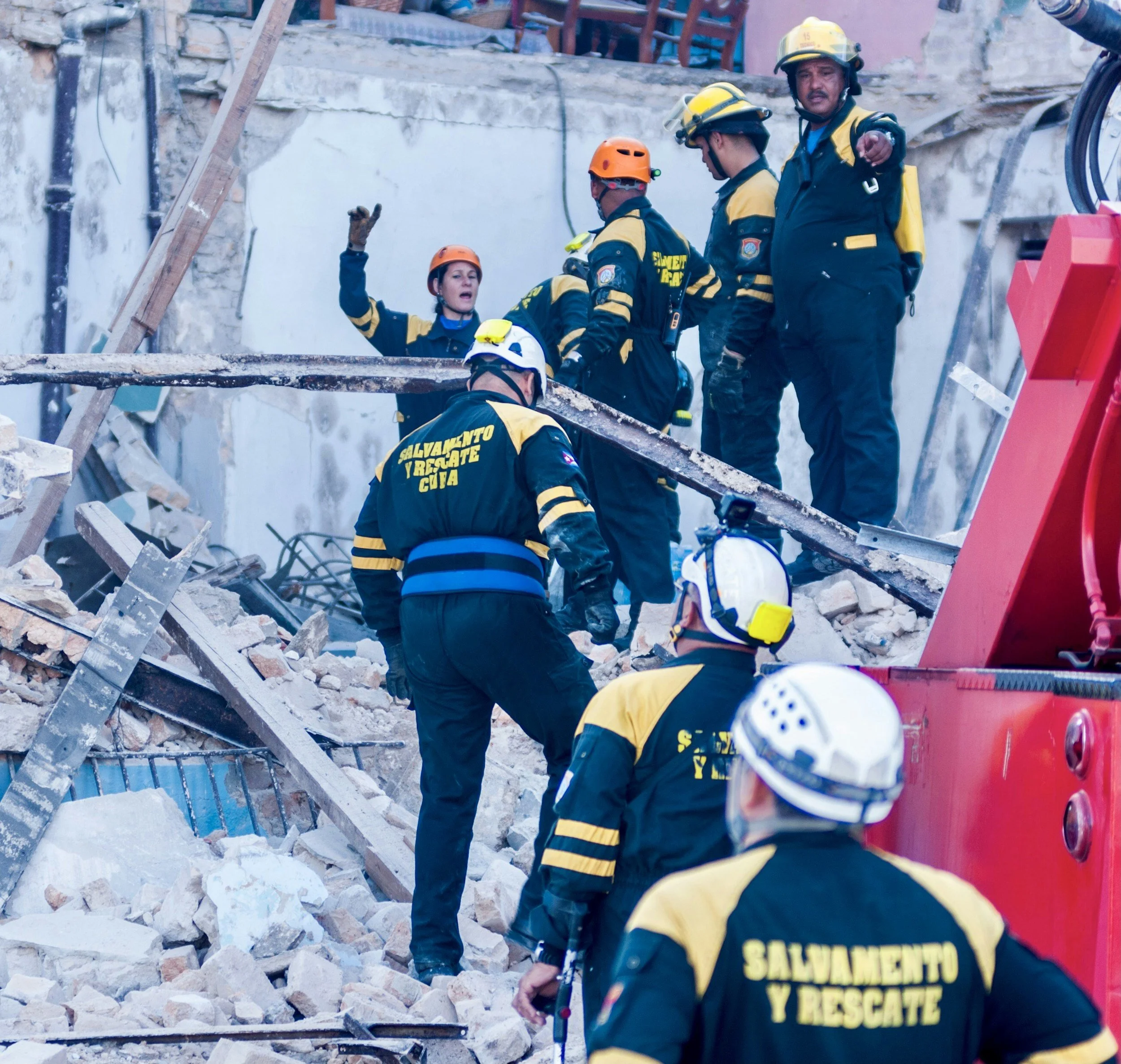
Search & Rescue Technicians
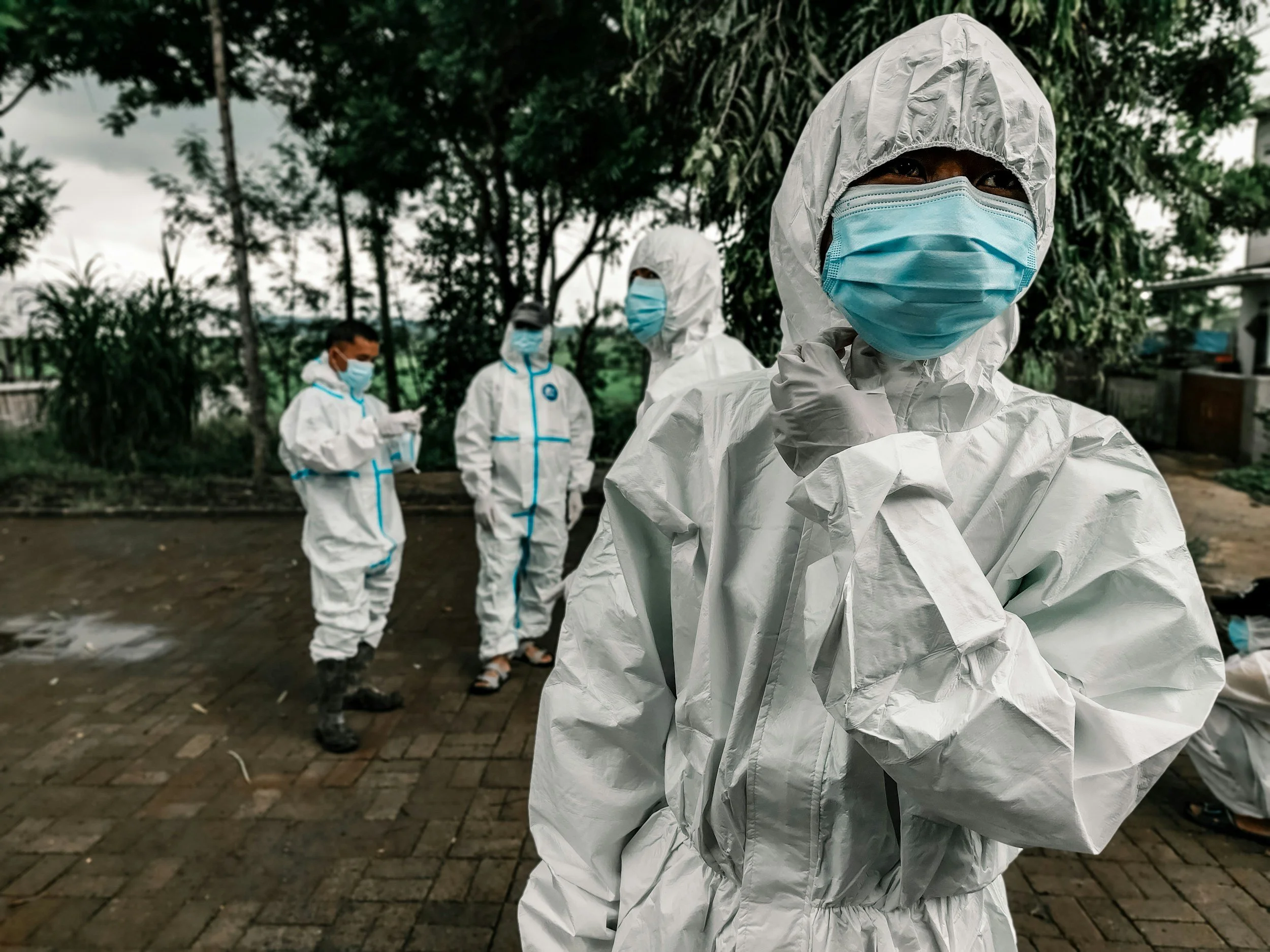
Public Health Practitioners
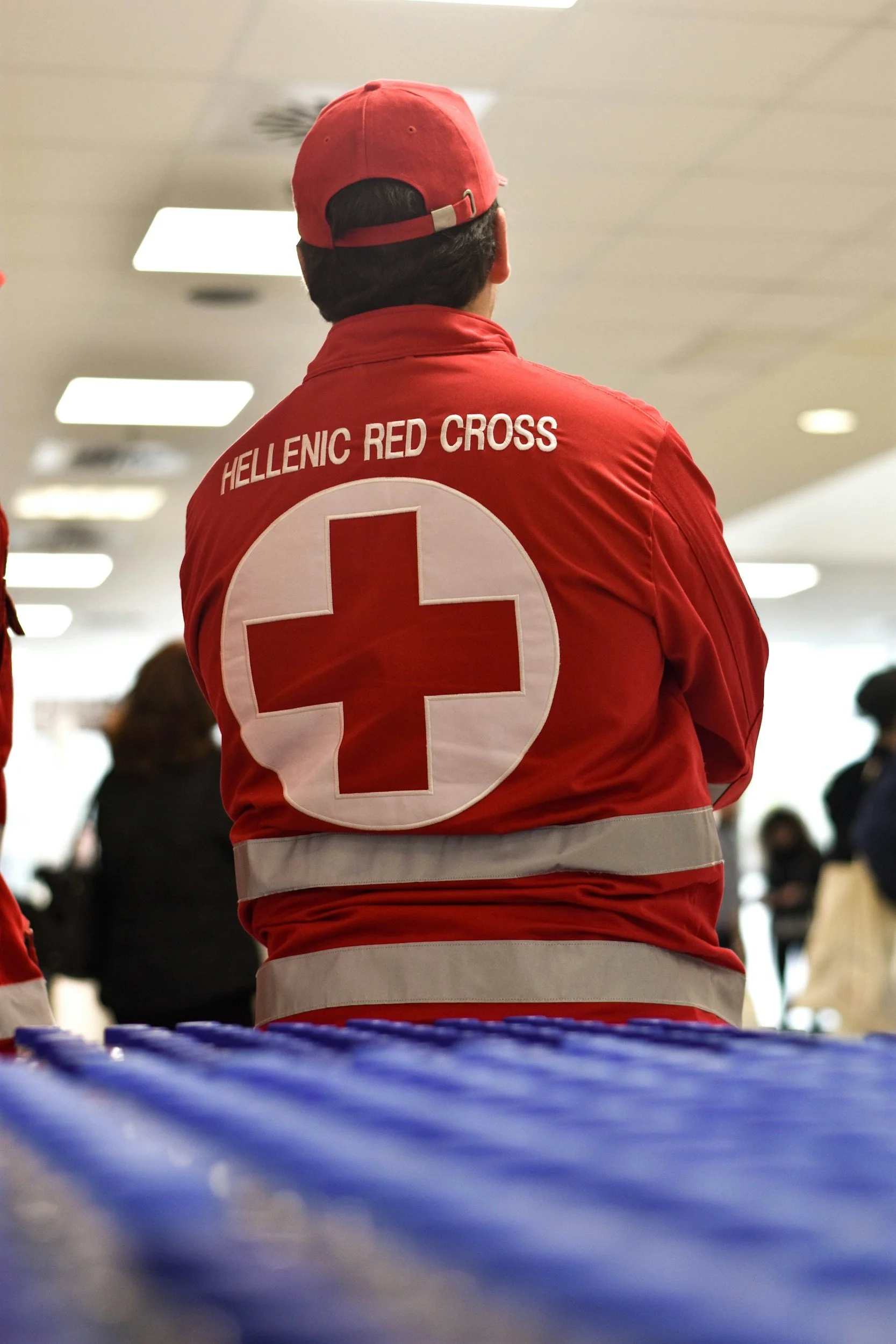
Humanitarian Aid Workers
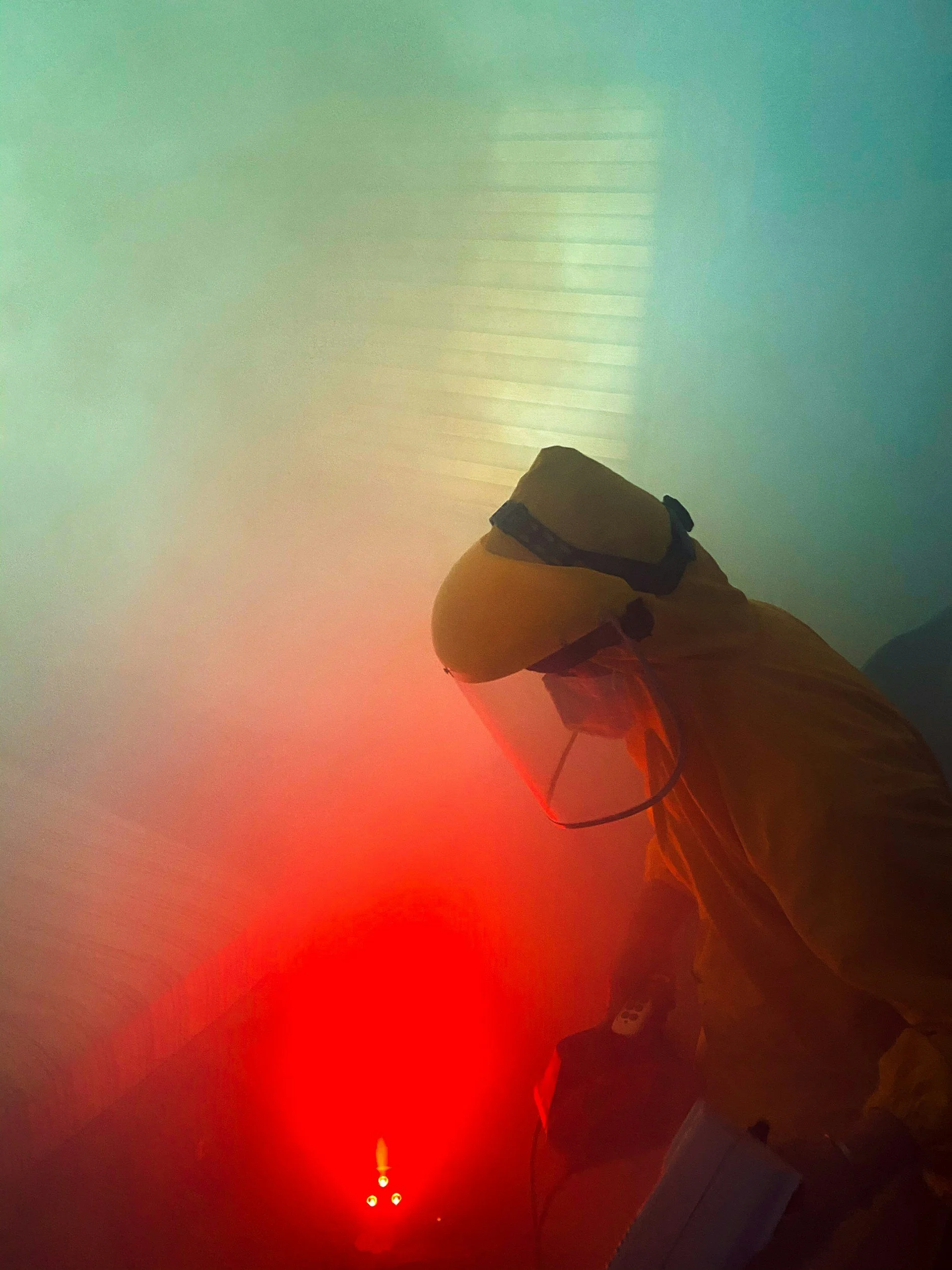
HazMat Response Technicians

Displaced Population Aid Workers
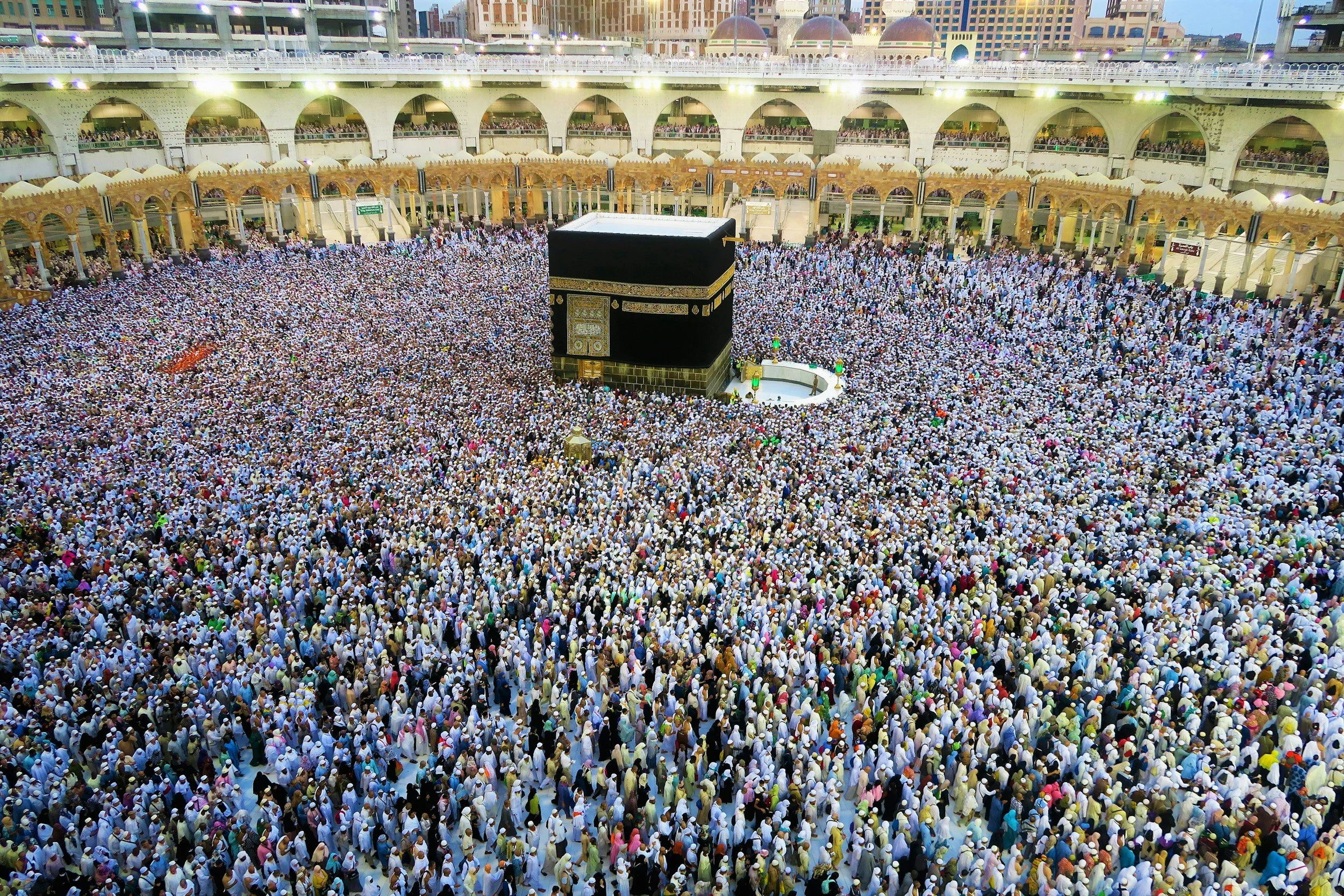
Mass Gathering Incidents Responders
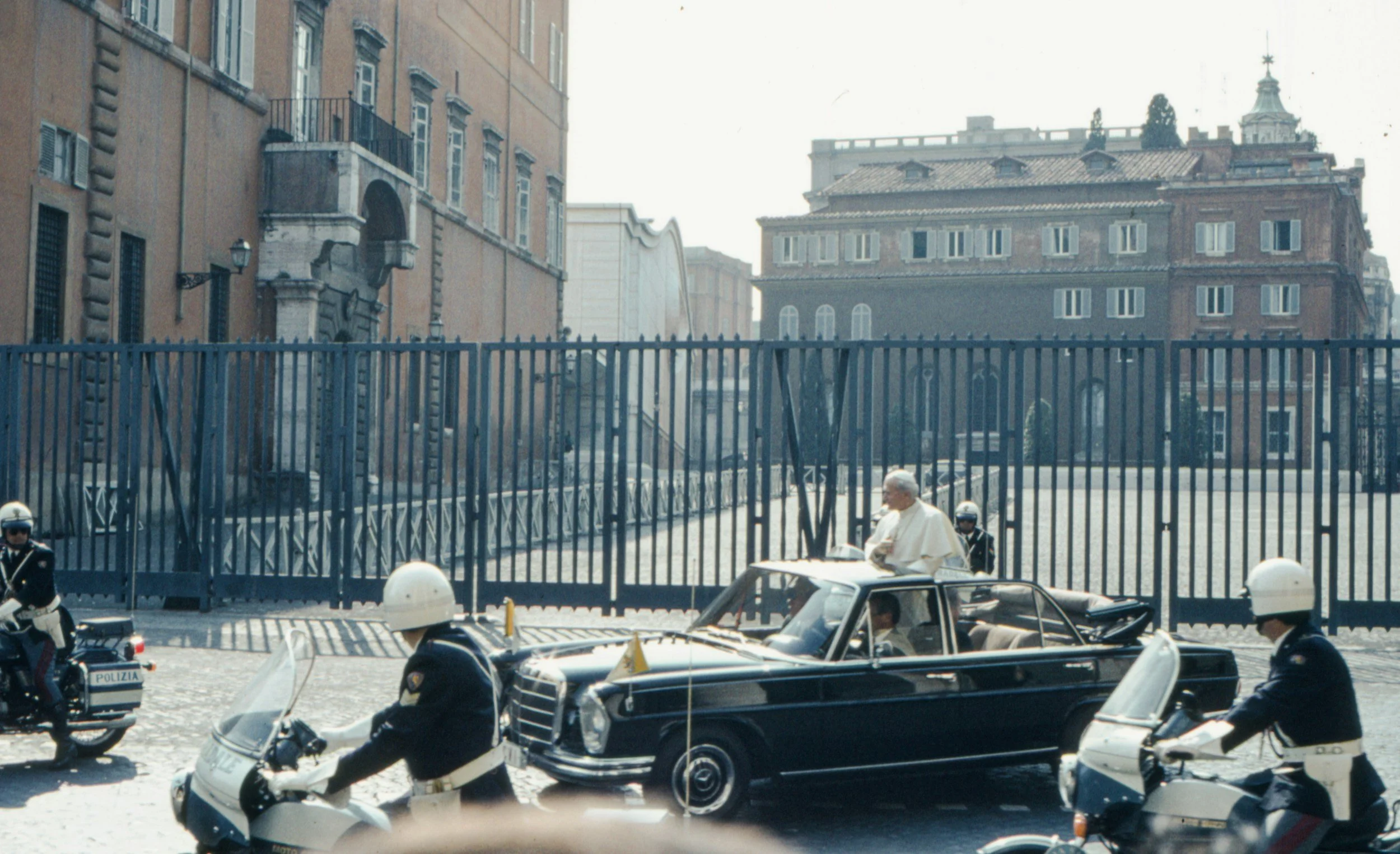
Special Security Events Responders
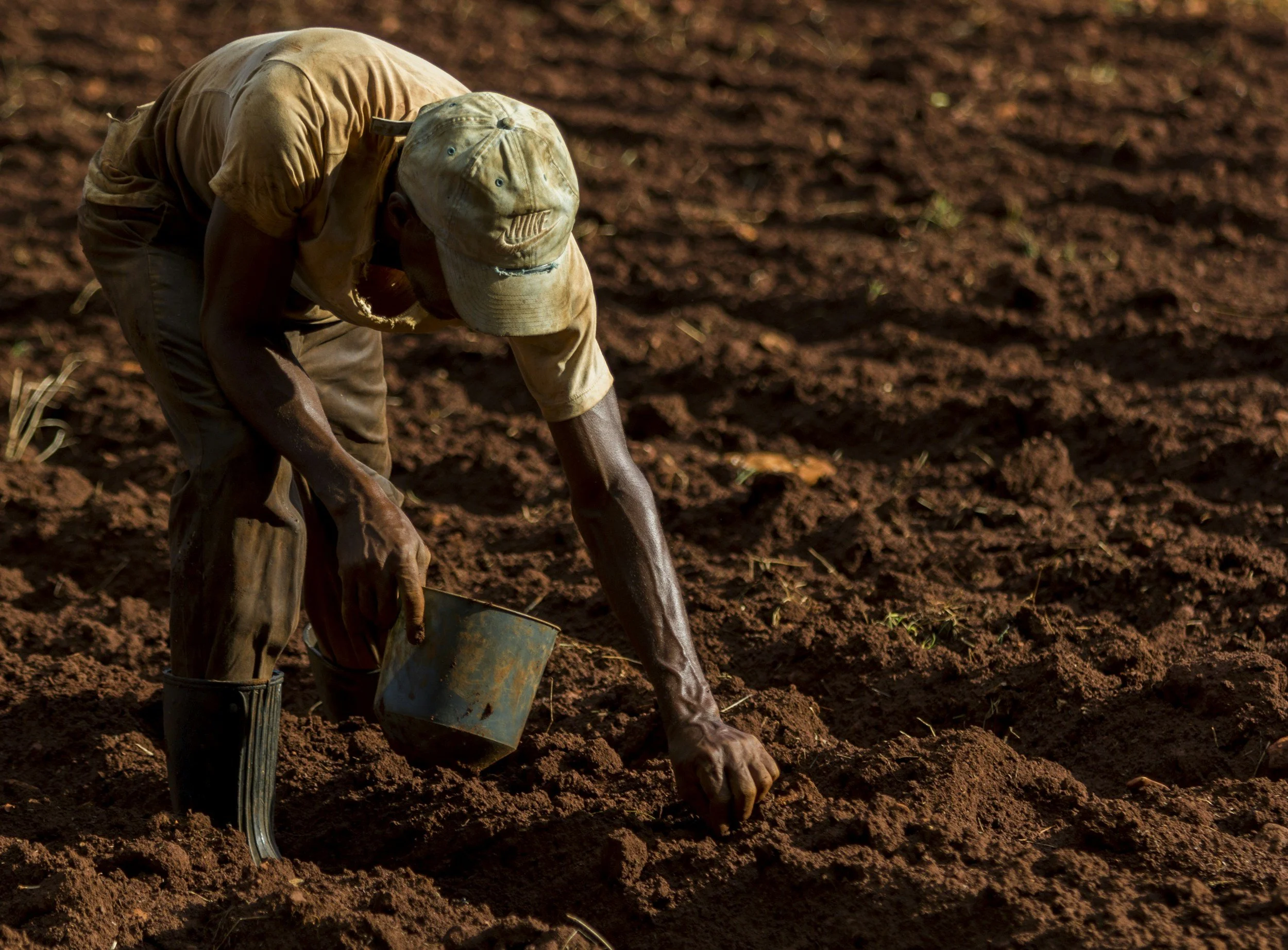
Agricultural Incidents Responders
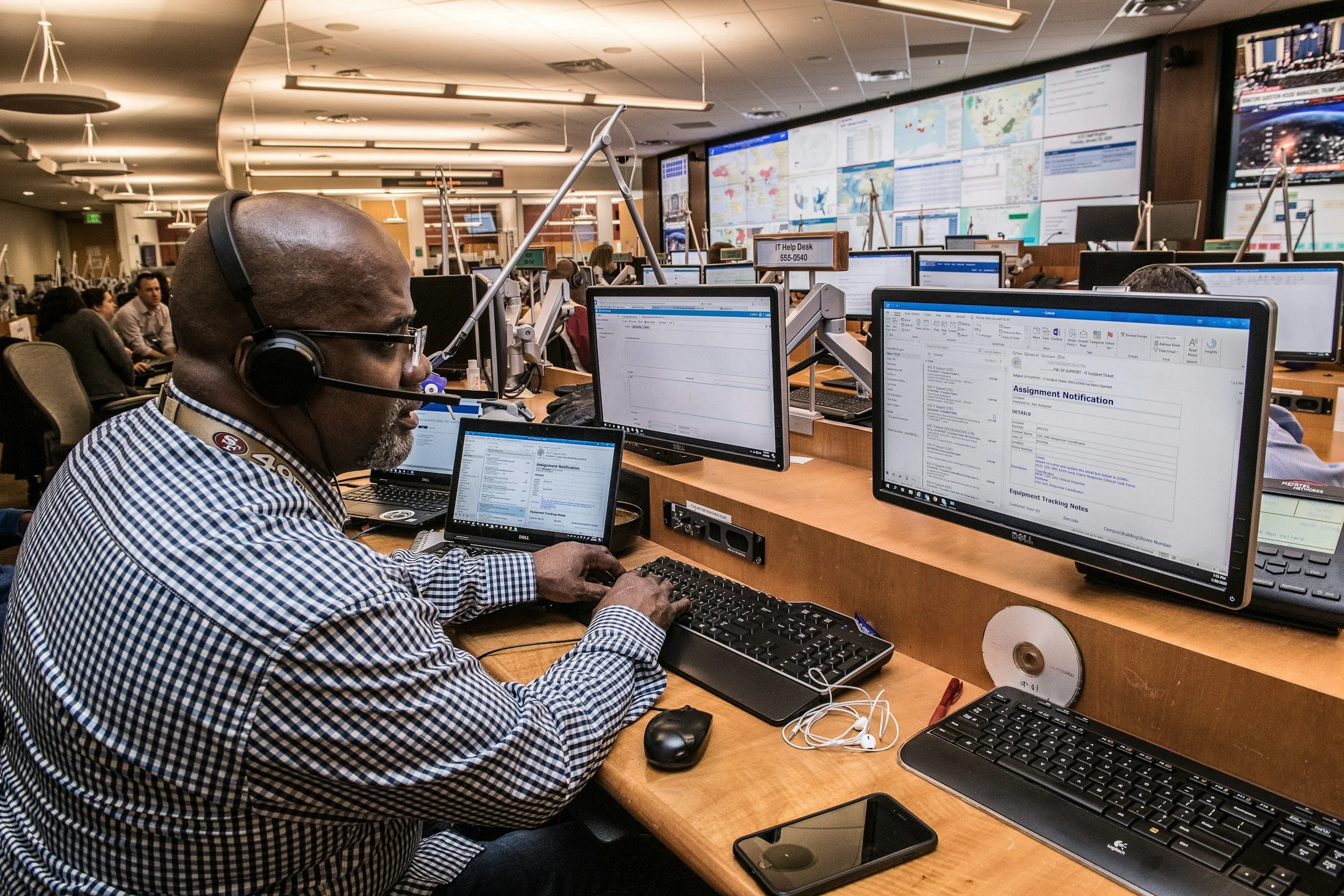
Natural Disaster Responders
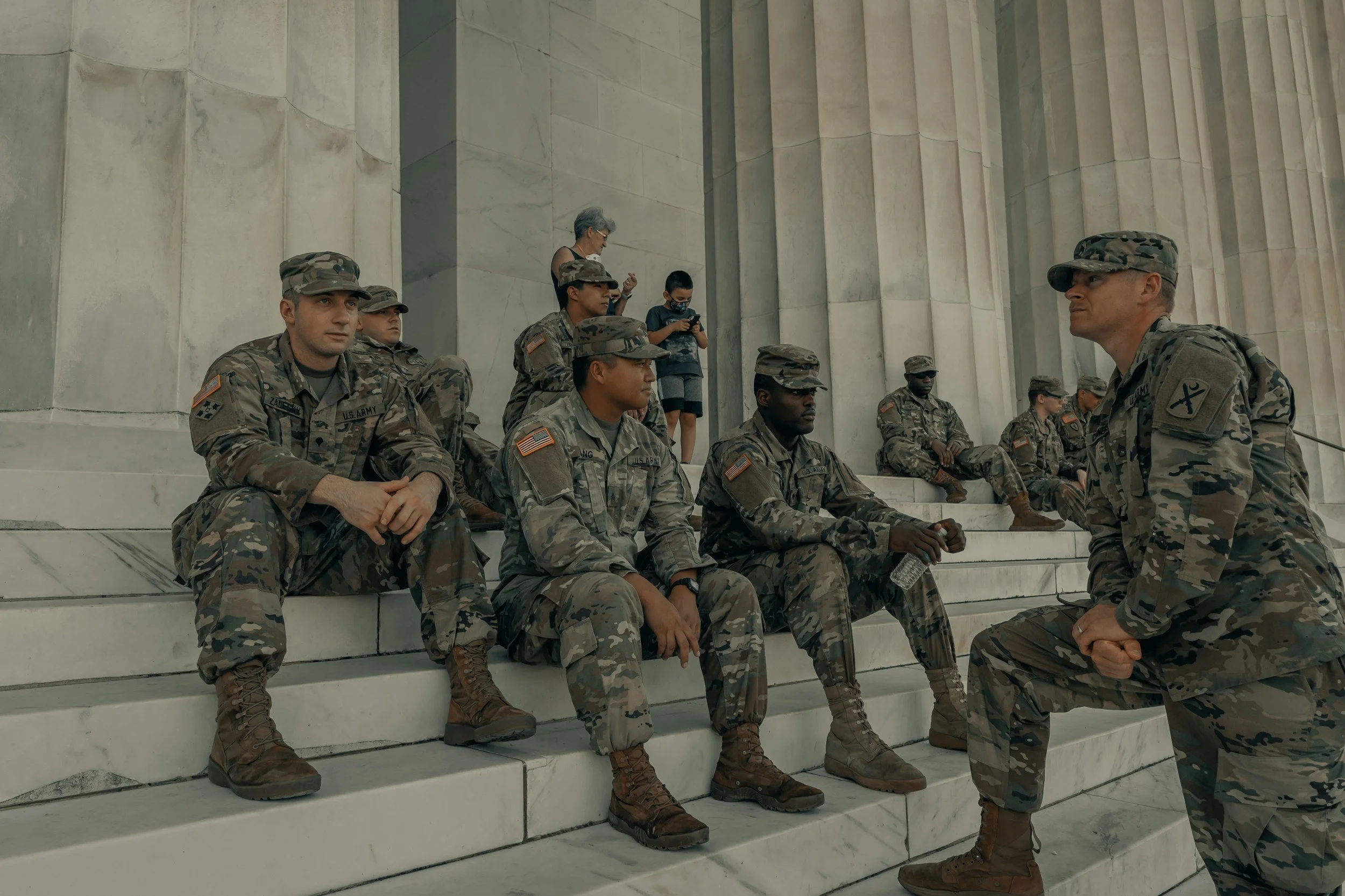
Military Support to Civil Incidents

Non-Public Sector Responders

Cyber Security Professionals
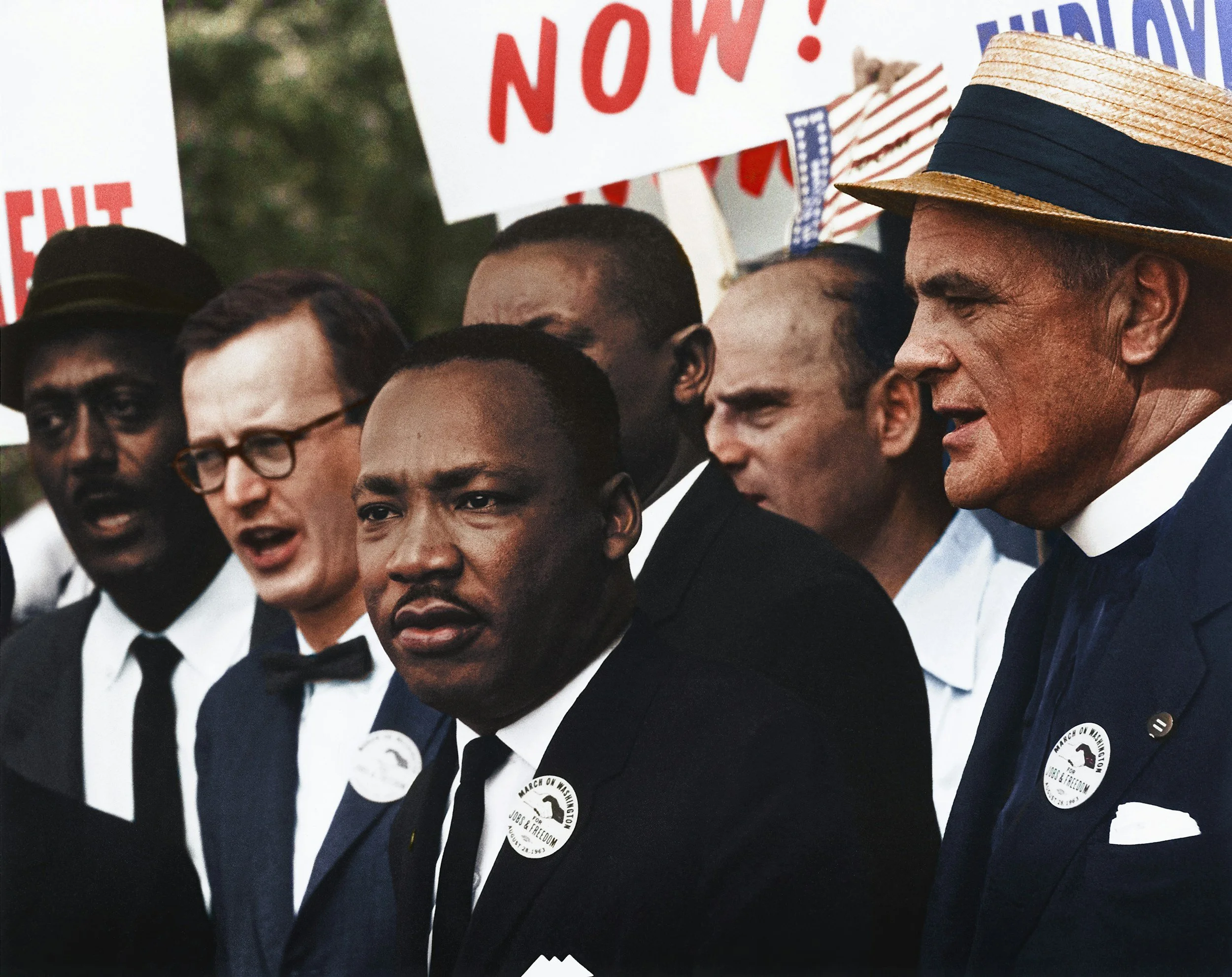
Crisis Leaders
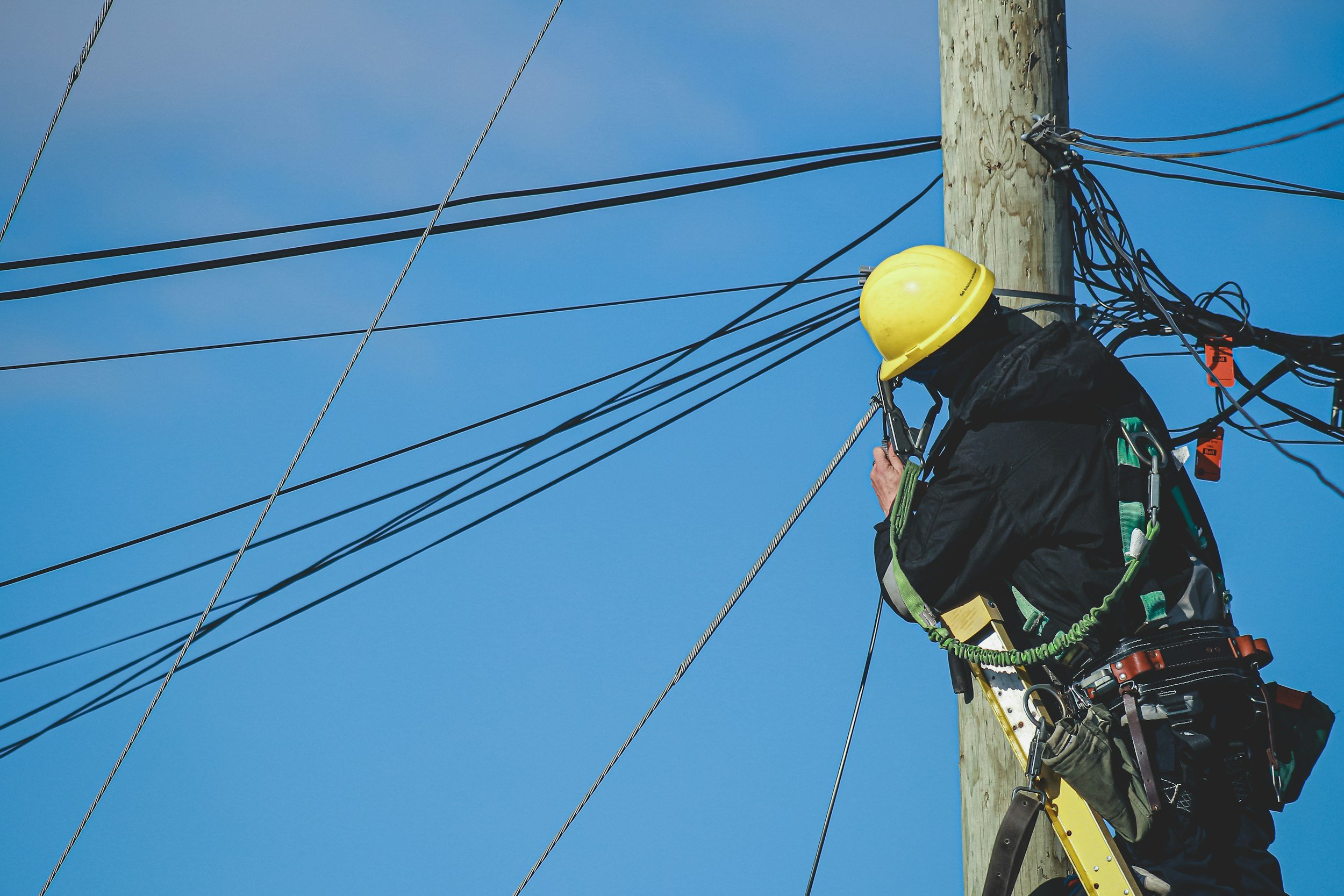
Critical Infrastructure Responders
We Serve Those Who Serve Others
The people we serve work in roles where responsibility is immediate and visible. They include emergency managers, public safety leaders, healthcare administrators, infrastructure operators, and government officials. Each of them operates at the point where decisions affect real people, real systems, and real outcomes.
They are not brought in when situations are stable. They step in when conditions are changing, often rapidly, and when there is no complete or consistent picture of what is happening. This work takes place in emergency operations centers, hospitals, field environments, coordination rooms, and offices that stay active long after normal hours. It happens during active incidents, in the hours leading up to them, and in the periods that follow when systems are still recovering.
What they are asked to do is not simply observe or report. They are expected to make decisions that guide action. These decisions influence how resources are deployed, how information is communicated, and how communities are protected and supported. The expectation is not just to understand the situation, but to determine the best course of action.
They do this in environments that are complex and often incomplete. Information arrives from multiple sources, and it does not always align. Some data is current, some is delayed, and some is uncertain. Systems may not connect in ways that provide a full picture, and time does not allow for perfect verification. Despite this, decisions must still be made.
The way they operate is shaped by this reality. They learn to assess information as it comes in, to identify what is relevant, and to move forward without waiting for ideal conditions. They rely on experience, judgment, and the ability to recognize patterns across fragmented inputs. They understand that clarity is not something they are given, but something they must construct.
The reason this work matters is straightforward. The outcomes of their decisions affect safety, continuity, and stability. Acting too early can create unnecessary disruption. Acting too late can increase risk. Most decisions exist between those two points, where trade-offs are real and consequences are shared across systems and communities.
How they carry this responsibility is just as important as the decisions themselves. The work is continuous. One decision leads into the next, and the environment continues to evolve. There is no reset point where everything becomes clear again. Instead, they adapt, adjust, and continue forward.

The People Between Crisis and Community
Resilience is not a technological feature; it is a human one. We center our work on the men and women who stand in the gap, those whose roles demand immediate, visible responsibility when conditions are at their worst.
Supporting the Person in the System

Behind every coordinated effort and every technological advance, there is a person responsible for moving it forward.
Digital Prime Strategies was founded on a simple truth: the ability of that person to see clearly shapes what happens next for an entire community.
We focus on connecting fragmented information and strengthening the foundations that let people act clearly, so that when it matters most, they can.
Constructing Clarity Under Pressure

In the field, information arrives from multiple directions, some of it delayed, some of it uncertain, and much of it conflicting. There is no reset point, and time does not allow for perfect verification.
In this environment, clarity is not something you are given; it is something you must construct. We understand that the most difficult decisions exist in the narrow space between unnecessary disruption and increased risk.
Our work is designed to reduce the noise and the unnecessary burden on the decision-maker, ensuring that when the moment of action arrives, they can move forward with a steady hand.