Critical Infrastructure
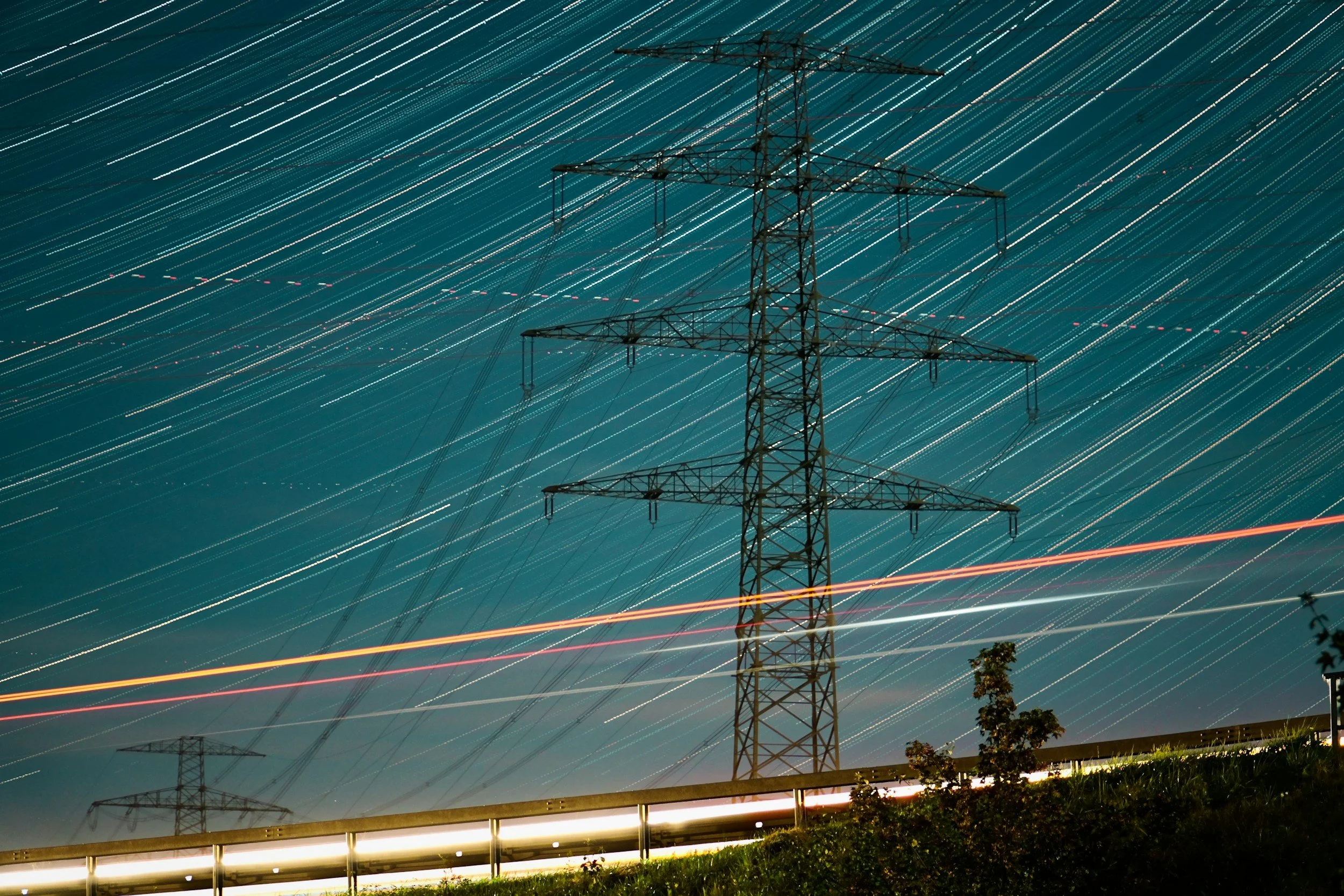
Critical infrastructure has no margin for philosophical failure. A dam either holds or it does not. A water system either delivers or it does not. A telecommunications network either carries the signal or it goes silent. The professionals who work this domain spend their careers ensuring the first outcome in each of those pairs, against the full range of stressors that threaten it: aging infrastructure, extreme weather, cyberattack, cascading failure, and the persistent political reality that investment in systems that are working is harder to justify than investment in systems that have already failed.
ZHUMADIAN, HENAN PROVINCE, CHINA * AUGUST 8, 1975
Cascading Impacts
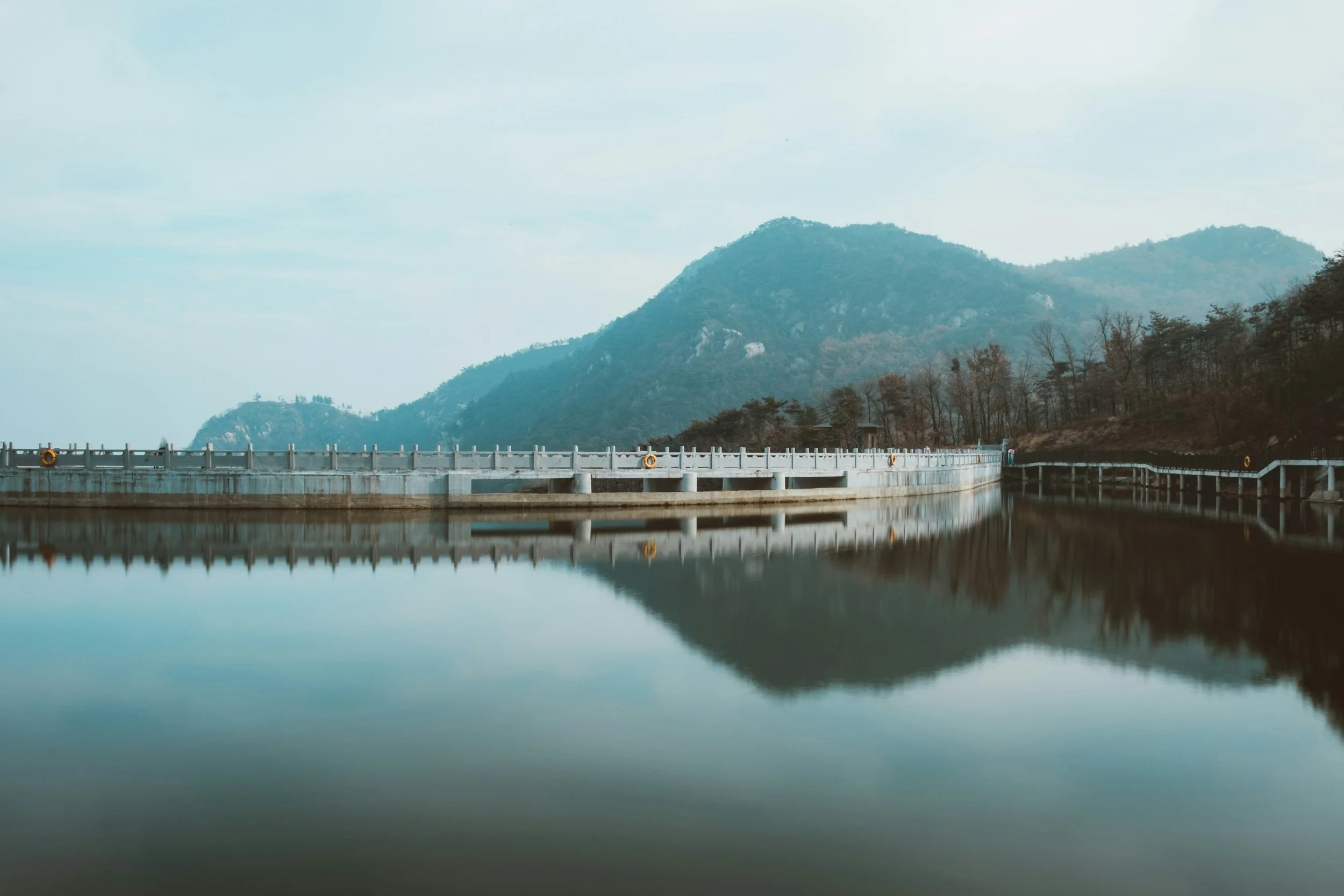
The failure of 62 dams in a single cascade. A death toll suppressed for decades. And the hydraulic engineers and emergency managers who worked a disaster the outside world did not know had happened.
Banqiao Dam was built in the early 1950s on the Ru River in Henan Province, designed by Soviet engineers to withstand what hydrologists calculated as the maximum possible rainfall the region could produce. It was called the Iron Dam. In August 1975, Typhoon Nina stalled over Henan and delivered rainfall that exceeded that calculation by a factor of three. In three days, the region received more rain than it typically received in a year.
On August 8th, at 1:00 a.m., Banqiao Dam failed. The wave it released was ten kilometers wide and seven meters high. It traveled at 50 kilometers per hour through the flat agricultural land downstream, destroying everything in its path. Downstream dams failed in sequence as the wave reached them. 62 dams failed in total over the following hours. The immediate death toll from the flooding was approximately 26,000 people. The famine and disease that followed in the weeks and months after the flooding killed an estimated 145,000 more.
The Chinese government suppressed information about the disaster for decades. It did not appear in official reporting. The engineers and emergency managers who worked the response did so inside a system that was simultaneously managing a catastrophe of historic proportions and managing the information about it. The full death toll was not officially acknowledged until 2005, thirty years after the event.
What Banqiao produced in the engineering community, once the information became available, was a fundamental reassessment of dam safety standards globally. The concept of the probable maximum precipitation - the rainfall threshold against which dam spillway capacity is designed - was revised in dam safety frameworks around the world in the years following the Banqiao disclosure. The hydraulic engineers who work dam safety today design against a standard that Banqiao helped establish, built from a disaster that the world was not permitted to learn from for three decades.
The engineers who work dam safety today design against a standard that Banqiao helped establish, built from a disaster the world was not permitted to learn from for thirty years. The Iron Dam that was not supposed to fail became the case that changed how every subsequent dam was assessed.
DOMINICA * SEPTEMBER 19, 2017
Category 5 Storm
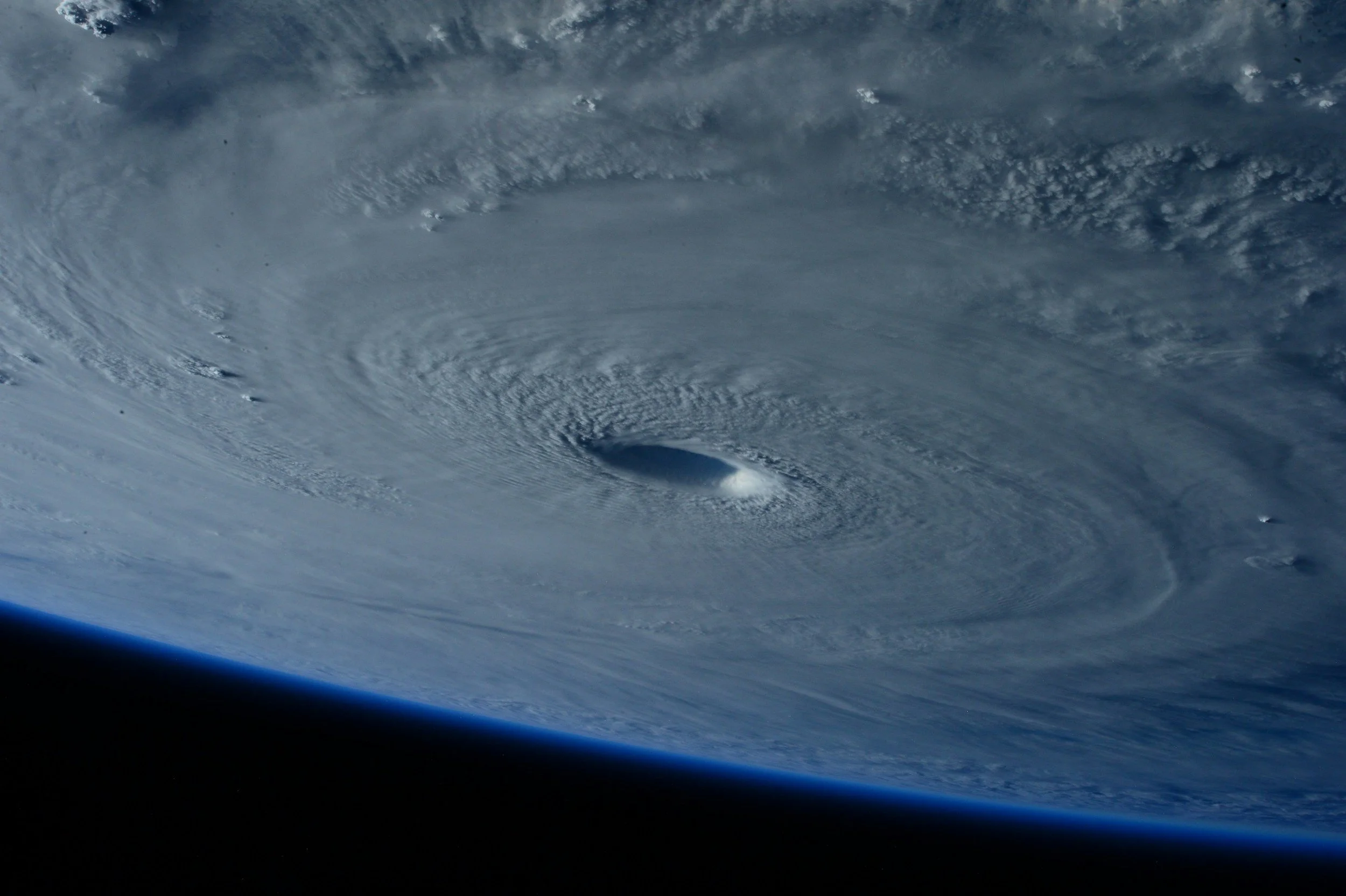
Hurricane Maria made direct landfall on Dominica as a Category 5 storm. The island of 72,000 people lost power, roads, structures, and its entire telecommunications infrastructure simultaneously. For days, the outside world did not know what had happened inside it.
Hurricane Maria reached Dominica on the evening of September 18, 2017, with sustained winds of 260 kilometers per hour. It was the strongest hurricane to make landfall on the island in recorded history. In the hours that followed, 90% of structures on the island were damaged or destroyed. The road network that connected communities across Dominica's mountainous interior became impassable. The electrical grid failed completely. And the telecommunications infrastructure - every cell tower, every landline exchange, every internet connection - went down simultaneously.
Dominica went silent. For the first hours and days after the storm, the outside world had no reliable information about what had happened inside it. Aid organizations could not determine where need was most acute. Family members in the diaspora could not reach relatives on the island. The government of Dominica, whose own communications infrastructure had been destroyed, could not coordinate the response with the regional and international partners trying to reach it.
The amateur radio operators who established the first communication links off the island in the hours after the storm passed were, for a period measured in days, the entire telecommunications infrastructure of a sovereign nation. These were volunteers, operating equipment they had purchased and maintained themselves, trained for exactly this scenario through networks like the Amateur Radio Emergency Service. They provided the first ground truth reports of damage and need that reached the outside world. They coordinated the early logistics of the aid response before any commercial telecommunications had been restored.
The telecommunications engineers who subsequently rebuilt Dominica's network did so on an island where the roads needed to reach the equipment were gone and where the equipment itself had been destroyed or damaged beyond immediate repair. The restoration was prioritized by the same logic that governs all critical infrastructure recovery: restore the systems that enable everything else first. Communications before power. Power before roads. Roads before everything that roads make possible. The sequencing decisions made by the infrastructure recovery professionals in the weeks after Maria determined how quickly the broader recovery could begin.
The amateur radio operators who established the first communication links off the island were, for days, the entire telecommunications infrastructure of a sovereign nation. Volunteers, with their own equipment, trained for exactly this. They were first. They were all there was.
CAPE TOWN, SOUTH AFRICA * 2015 - 2018
Water Is Life

The first major city in the modern era to approach complete municipal water failure. The water system professionals and public health officials who implemented demand reduction aggressive enough to push the crisis back, and the four million people who made it work.
In 2015, Cape Town entered its third consecutive year of below-average rainfall. The reservoirs that supplied the city's water began a decline that accelerated through 2016 and 2017 as the drought deepened. By early 2018, the combined storage level of the six reservoirs serving Cape Town had fallen below 20%. At current consumption rates, the city was projected to reach Day Zero - the point at which municipal water supply would be shut off and residents would collect their daily allocation from distribution points - in April 2018.
Day Zero was not a theoretical construct. The water system engineers and city officials who modeled it were describing a specific operational reality: the moment at which the water level in the reservoirs would fall below the intake pipes that fed the municipal distribution system, at which point the infrastructure that delivered water to four million people would stop functioning regardless of what any professional did. The city would become, in the most literal infrastructure sense, a place where water no longer came out of the tap.
The response that the City of Cape Town implemented was the most aggressive municipal water demand reduction program ever attempted in a major city. Restrictions moved in stages from 87 liters per person per day to 50 liters, approximately one quarter of the average daily water use of a resident of a developed nation. The water system professionals who designed and enforced the restrictions did so knowing that the target was not conservative. 50 liters per person per day is enough for drinking, cooking, and basic sanitation with virtually no margin for anything else.
The program worked because four million people complied with restrictions that required a fundamental change in daily behavior, sustained over months, monitored through a water management system that tracked consumption at the household level and published weekly updates on reservoir levels that the entire city watched. The public health professionals who managed the communication strategy understood that compliance at that scale required the public to understand exactly what was at stake and exactly how their individual behavior connected to the collective outcome. They gave the city real numbers, in real time, without minimizing what Day Zero would mean.
Day Zero was pushed back. The 2018 winter rains arrived. The reservoirs recovered. Cape Town did not become the first major city in the modern era to run out of municipal water, and the margin by which it avoided that outcome was the sustained, disciplined demand reduction of four million people guided by professionals who told them the truth about how close it was.
The public health professionals who managed the communication strategy understood that compliance at that scale required the public to know exactly what was at stake and exactly how their individual behavior connected to the collective outcome. They gave the city real numbers, in real time. Four million people responded. Day Zero did not come.
Infrastructure fails in sequence. The dam failure takes the road. The road loss delays the repair crew. The repair crew's delay extends the outage. The professionals who protect critical infrastructure understand that they are protecting not individual systems but the dependencies between them. Hardening one system without understanding its relationship to the systems around it is not protection. It is displacement of the failure point. The work that prevents cascading failure is the work of understanding the whole system, mapping where it is most vulnerable, and investing in that vulnerability before it is tested.
We Serve Those Who Serve Others.