Displaced Communities
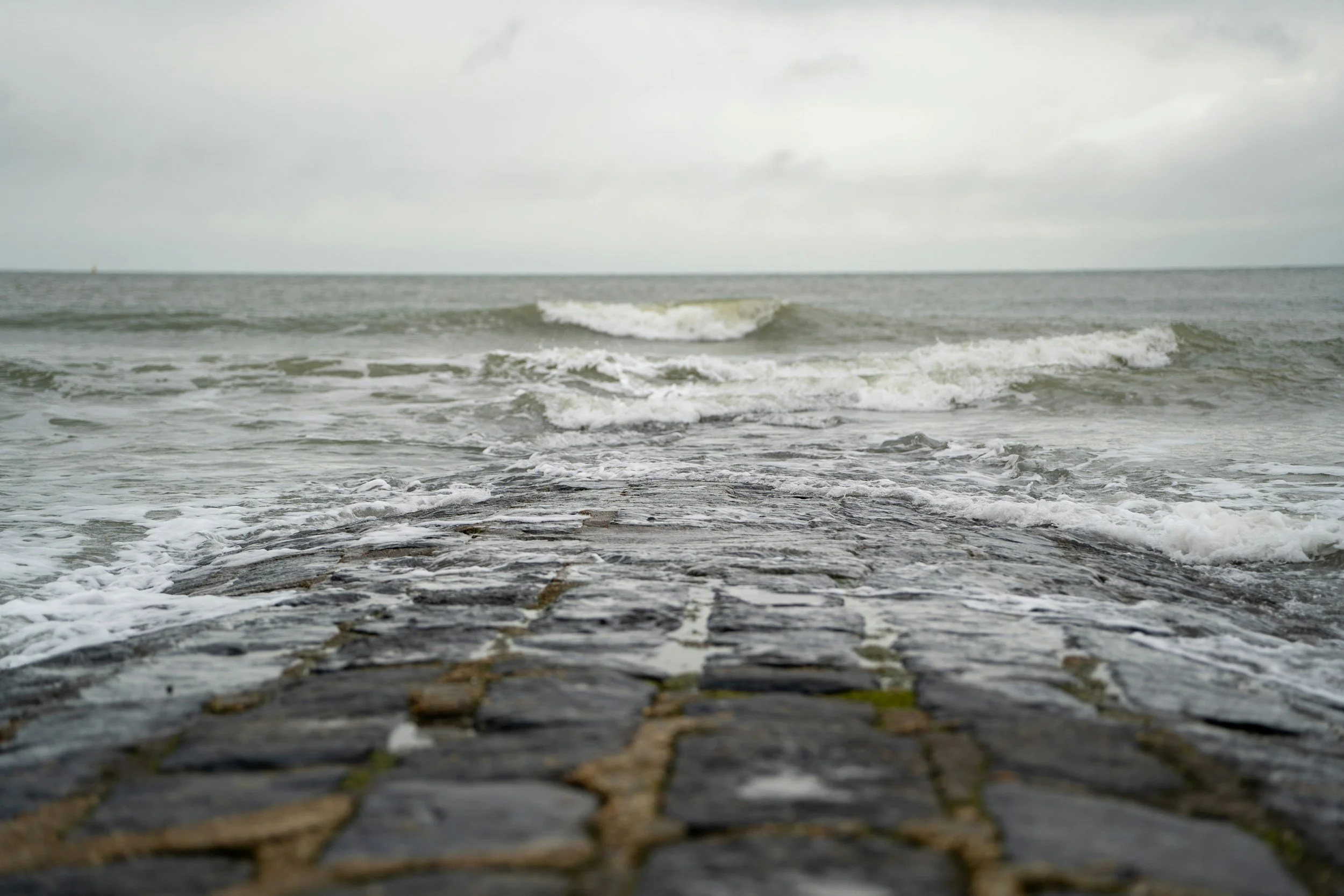
Natural disasters, sea level rise, drought, and environmental degradation do not displace people the way conflict does. There is no negotiation to be had, no ceasefire to wait for, no perpetrator to hold accountable. The water rises or it doesn't. The hurricane comes or it doesn't. The aquifer runs dry or it doesn't. The people in the path of those processes do not choose to leave. They are moved by conditions that accumulate over years or arrive in hours, and the systems designed to help them were built for a different kind of crisis. The professionals who work with environmentally displaced populations spend their careers closing the gap between what the framework assumes and what the situation actually is.
ISLE de JEAN CHARLES, LOUISIANA * 1955 - PRESENT
98 Percent Gone
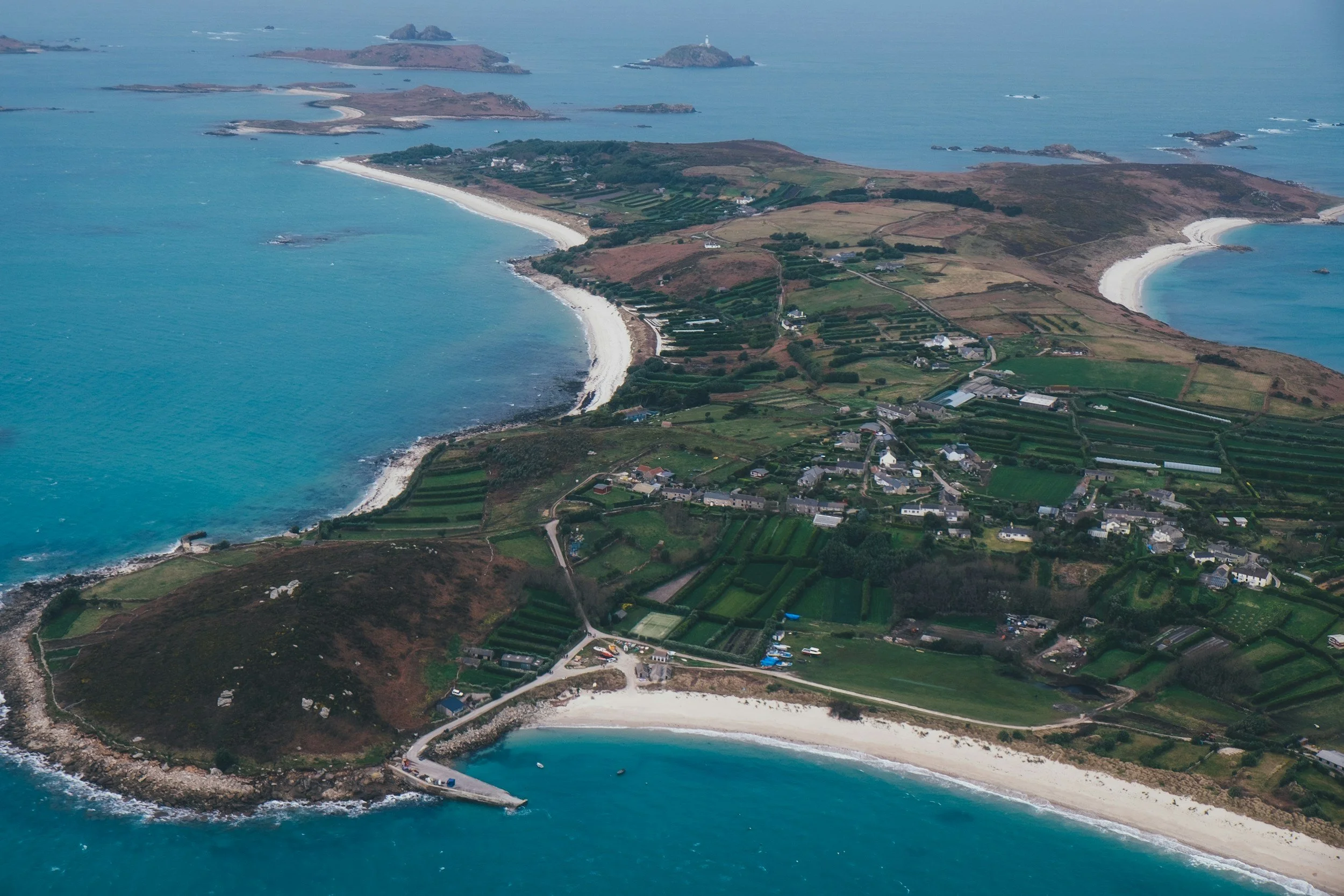
A Native American community that has watched its island disappear beneath the Gulf of Mexico over seventy years. The first federally funded climate relocation in American history. And the question that relocation cannot answer: how do you move a community without ending it.
Isle de Jean Charles - what remains of it - sits in Terrebonne Parish, Louisiana, at the end of a single road that floods with increasing frequency and that will eventually not be a road at all. In 1955 the island covered approximately 22,000 acres. Today it covers roughly 320. The land did not wash away in a single storm. It went incrementally, through the combined processes of coastal erosion, subsidence, saltwater intrusion, and the canal dredging that removed the natural barriers that had protected it. The people of the Biloxi-Chitimacha-Choctaw tribe who have lived on Isle de Jean Charles for generations watched it go acre by acre over decades.
In 2016, the state of Louisiana received 48 million dollars in federal funding to relocate the community, the first allocation of federal money explicitly designated for climate-driven relocation in American history. The professionals who took on that work quickly discovered that the hardest problems were not logistical. Site selection. Housing design. Infrastructure planning. Those were solvable with sufficient resources and time. The harder problem was that a community is not a population. It is a specific relationship between people and place, built over generations, expressed in the way families are organized, in the fishing grounds people know, in the roads between houses that determine who sees whom and how often. Moving the population does not automatically move the community. It may end it.
The resettlement coordinators and cultural preservation professionals who have worked Isle de Jean Charles have had to build a framework for managed community relocation that did not exist when they started. How do you preserve social networks when you are redistributing people across a new geography. How do you maintain cultural continuity for a people whose identity is rooted in a specific piece of land that will soon be underwater. How do you plan a move that is permanent, for people who did not choose it, on a timeline set by the water rather than by the community's readiness.
Those questions do not have clean answers. The professionals working them have produced partial answers, built from consultation with the community, from precedents in other indigenous relocations, and from the recognition that the people being moved are the primary experts on what they stand to lose.
A community is not a population. It is a specific relationship between people and place, built over generations. Moving the population does not automatically move the community. It may end it.
PACIFIC ISLANDS * PRESENT AND ONGOING
When Nature Calls
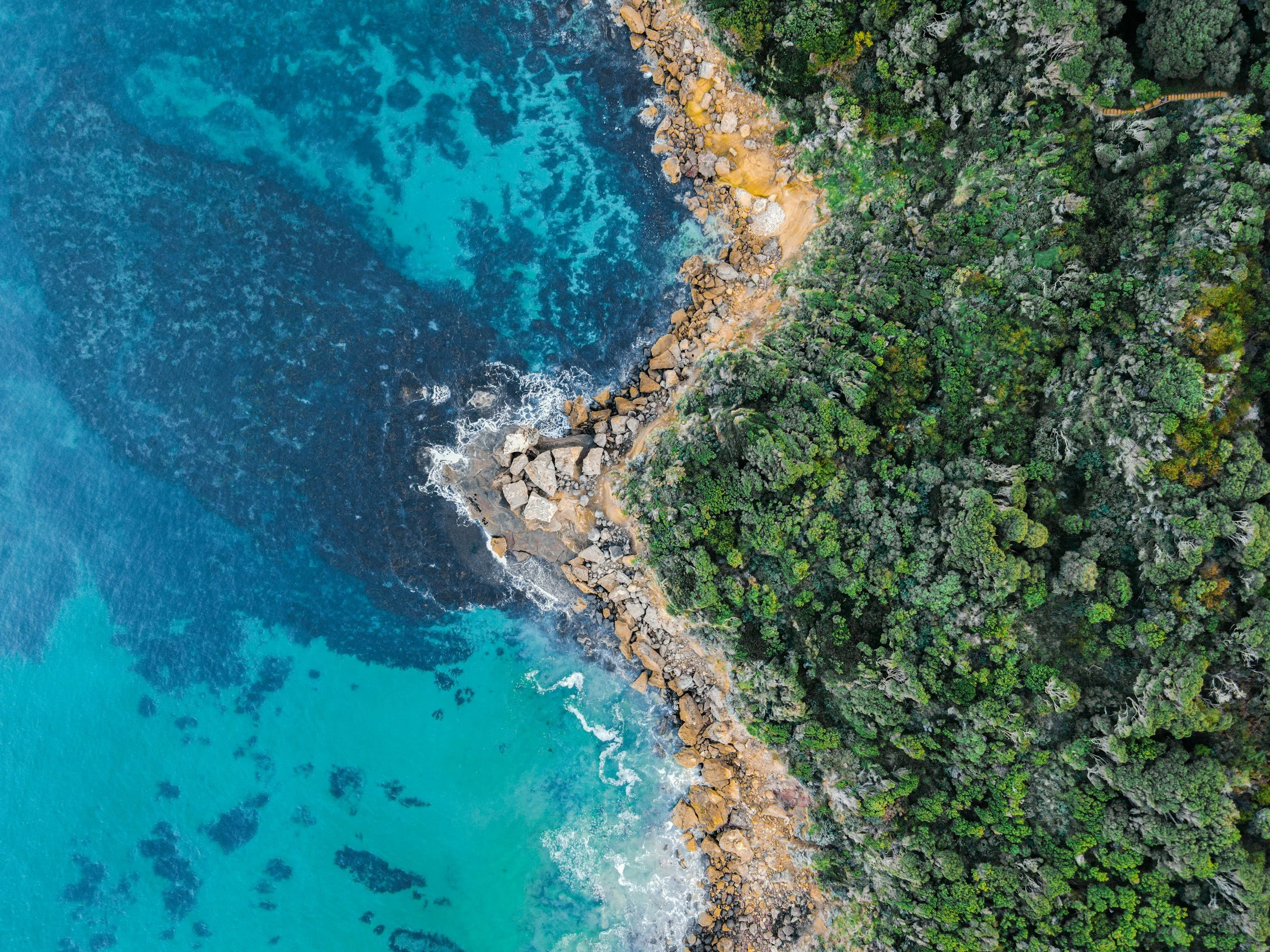
The Maldives. Tuvalu. Kiribati. The Marshall Islands. Communities planning for the end of the places that define them.
The communities of the low-lying Pacific Island nations face a form of displacement that emergency management frameworks were not designed to address — not the acute displacement of a disaster, but the slow, accelerating displacement of communities whose islands are being progressively rendered uninhabitable by sea level rise, saltwater intrusion, and intensifying storms.
The Maldives, Tuvalu, Kiribati, and the Marshall Islands are governments planning for a future in which their physical territory may not exist. They are negotiating land arrangements with neighboring countries. They are digitizing cultural archives. They are arguing at every international forum that emissions reductions are not happening fast enough.
The displacement and migration professionals working with Pacific Island communities are doing something with no precedent in the modern humanitarian system: planning a managed, dignified, culturally preserved migration for entire nations, on a timeline measured in decades, with resources entirely inadequate to the scale of the task. The challenge is not logistical. It is existential in a way that logistics cannot capture. The displacement of the Marshallese people is not the relocation of a population to a safer address. It is the potential end of a way of being in the world that has existed for thousands of years. The professionals working this problem know this. They work it anyway.
They are planning a managed, dignified, culturally preserved migration for entire nations, on a timeline measured in decades, with resources inadequate to the scale of the task. The problem has no precedent. The need does not wait for one to be established.
THE SAHEL, WEST AFRICA * 1970s - PRESENT
Deserted
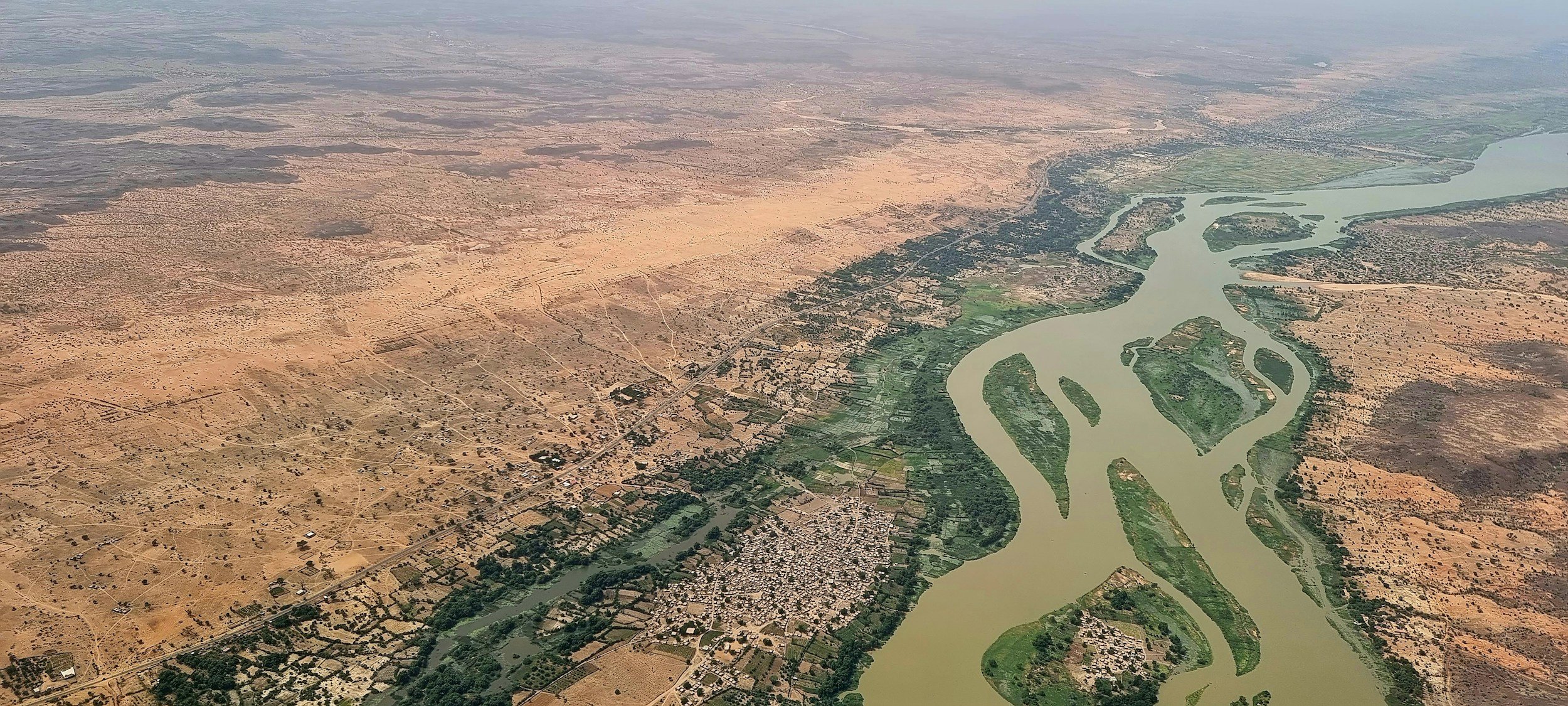
Desertification across Chad, Niger, Mali, Burkina Faso, and Senegal has displaced millions of people over five decades. No single event nor a moment of crisis, just the slow, compounding failure of land that people depended on to sustain life.
The evacuation of Fort McMurray on May 3rd was the largest wildfire evacuation in Alberta's history. 88,000 people. One The Sahel is the semi-arid band of land that runs across Africa between the Sahara Desert to the north and the savanna to the south. It is home to approximately 135 million people. Over the past five decades, the combination of prolonged drought, overgrazing, deforestation, and changing rainfall patterns has rendered increasing portions of it unable to support the agricultural and pastoral livelihoods that have sustained communities there for centuries. The desert is moving south. The land that remains is under pressure from more people competing for fewer resources.
The displacement this produces does not look like the displacement that emergency management systems were built to address. There is no single event, no dateline, no moment when the crisis begins. Families leave when the harvest fails for the third consecutive year, when the well runs dry, when the cattle die, when the calculation shifts from difficult to impossible. They move to the nearest town, then to the regional city, then sometimes across a border. They join populations that are already stressed, in urban areas that were not built to absorb them, competing for water and employment and housing in places that have their own resource constraints.
The humanitarian and development professionals who work the Sahel displacement crisis operate on a timeline that has no end point visible from where they stand. They are not managing an acute emergency toward a recovery phase. They are managing a slow-moving permanent condition that is getting worse as the climate changes and as the population of the region grows. The tools available — livelihood support, water infrastructure, land restoration, early warning systems for drought — are real and have demonstrated impact. They are also chronically underfunded relative to the scale of what they are working against.
The Great Green Wall initiative, a pan-African effort to restore 100 million hectares of degraded land across the Sahel by 2030, represents the most ambitious land restoration effort in human history. The agronomists, community organizers, and land management specialists who work it are doing so with the understanding that the alternative to restoration is the continued displacement of millions of people whose livelihoods the land can no longer support. They are restoring land hectare by hectare in the knowledge that the Sahara does not pause while they work.
The displacement the Sahel produces has no dateline and no single cause. Families leave when the calculation shifts from difficult to impossible. The professionals working to slow that process are restoring land hectare by hectare in the knowledge that the conditions producing the displacement do not pause while they work.
Environmental displacement accumulates rather than announces itself. By the time it is visible enough to generate a response, the conditions producing it have been building for decades. The work this demands is slower and less visible than acute disaster response, requiring resources committed to a future crisis in communities that have historically received the least attention. The professionals doing it operate without the urgency a visible emergency produces. The need is there regardless.
We Serve Those Who Serve Others.