Toward the Fire
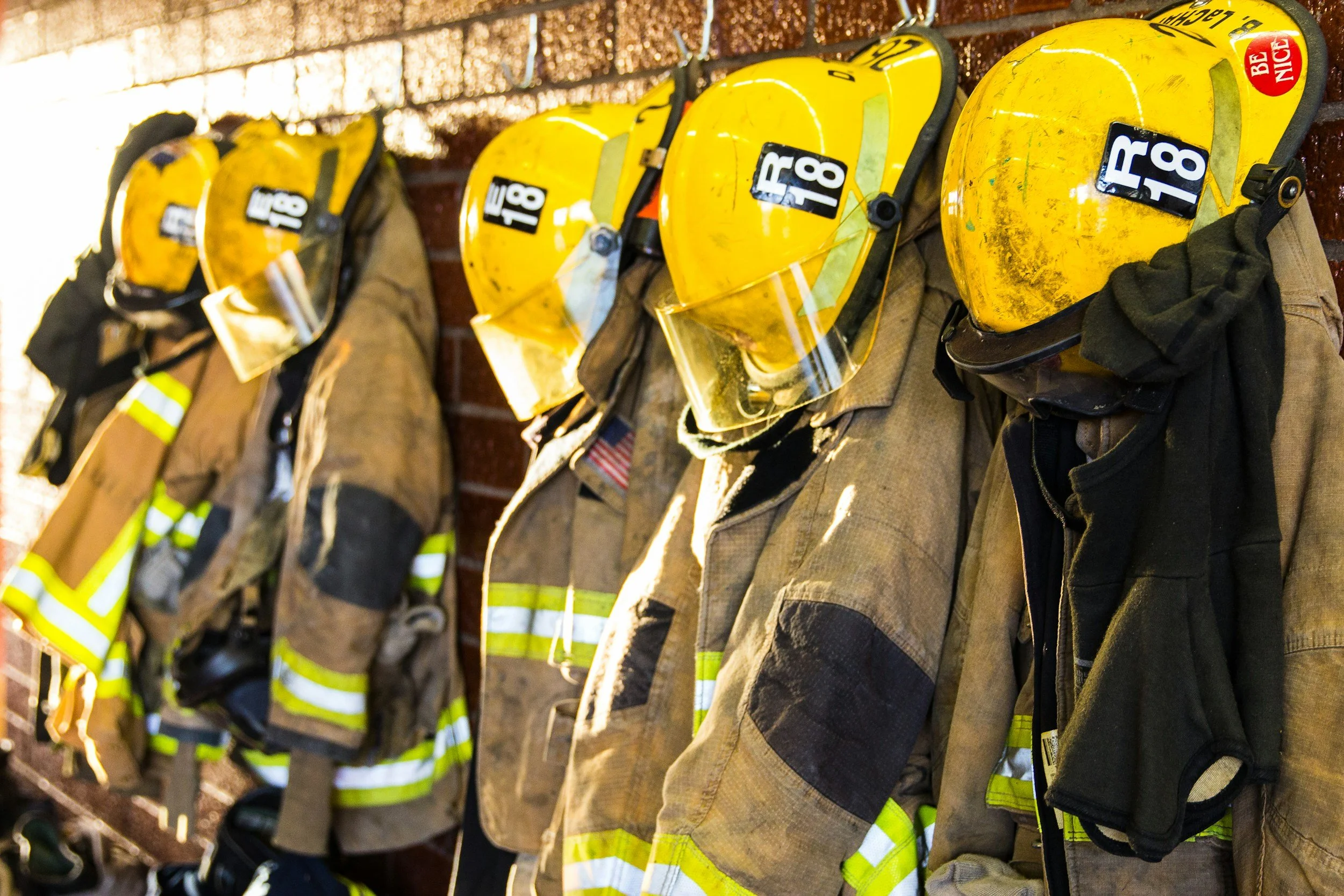
The job description is deceptively simple: locate the fire, control it, get people out. What it leaves out is everything. The weight of the gear in August heat. The visibility inside a structure fire measured in inches. The sound of a building telling you it is about to move. Firefighters work in the place where the job description ends and the actual job begins. They go there because that is where people need them.
NEW YORK CITY * SEPTEMBER 11, 2001
Going Up
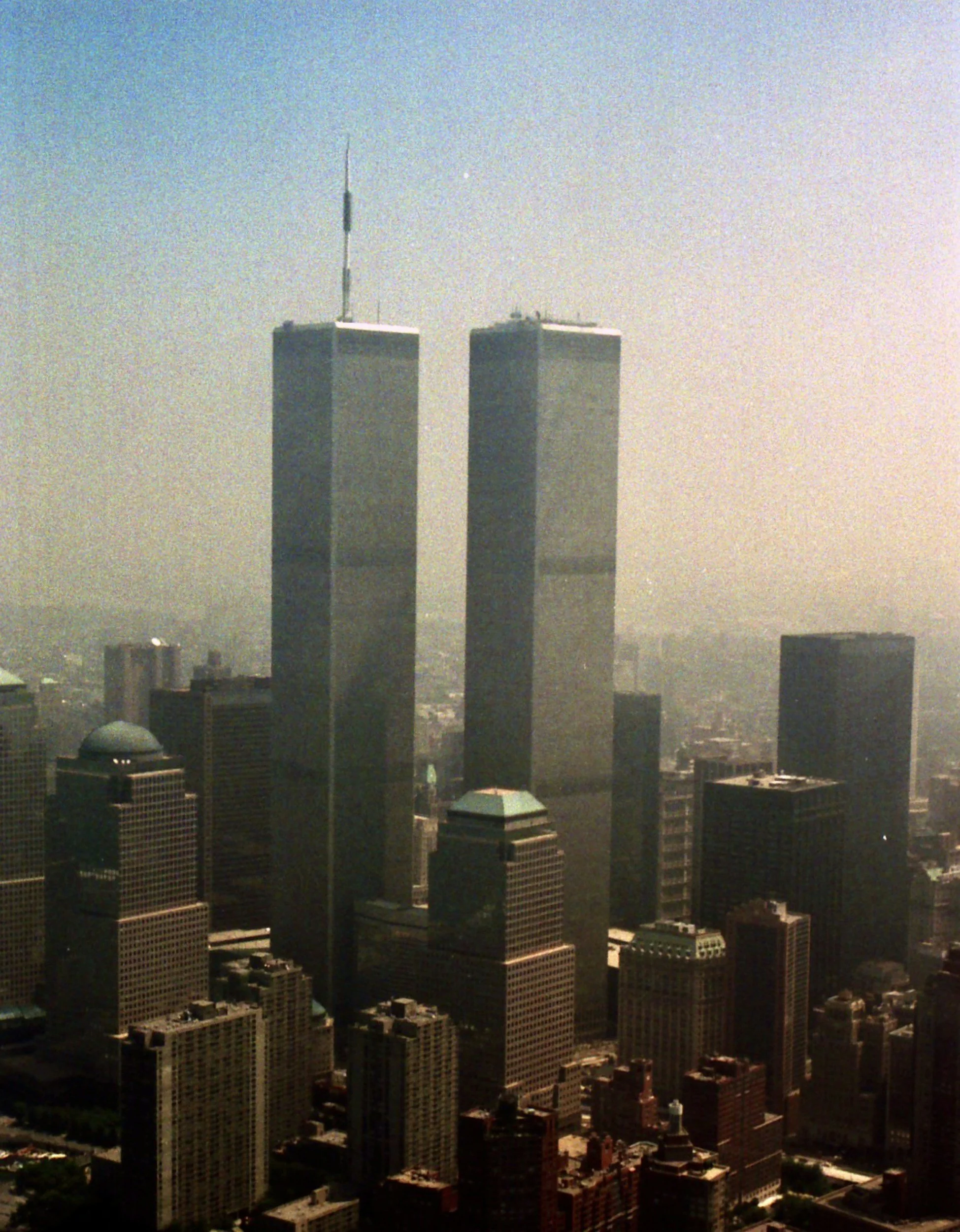
343 firefighters. Moving upward into buildings that the world was watching burn. Against every instinct. Against the current of thousands moving down.
The image exists in the memory of everyone who saw it: men and women in full gear moving against the current of every human instinct, moving upward into buildings that the world was watching burn. They knew what the buildings were doing. Fire behavior at that temperature, in structures of that construction, was not a mystery to them. They knew the math. They went up anyway.
Three hundred and forty-three firefighters did not come back down. What they did in the time between entering those buildings and the moment the buildings made the decision for them is documented in radio transmissions and survivor accounts. They were organized. Calm in the way that training produces calm. Directing people toward exits. Carrying people who could not walk. Going higher.
The ones who made it out have spent the years since carrying the ones who did not. This is not metaphor. It is the specific, unmetaphorical weight of survival when the person next to you did not survive.
They knew the math. They went up anyway. Three hundred and forty-three did not come back down. The ones who made it out have spent the years since carrying the ones who did not.
VICTORIA, AUSTRALIA * FEBRUARY 7, 2009
Black Saturday
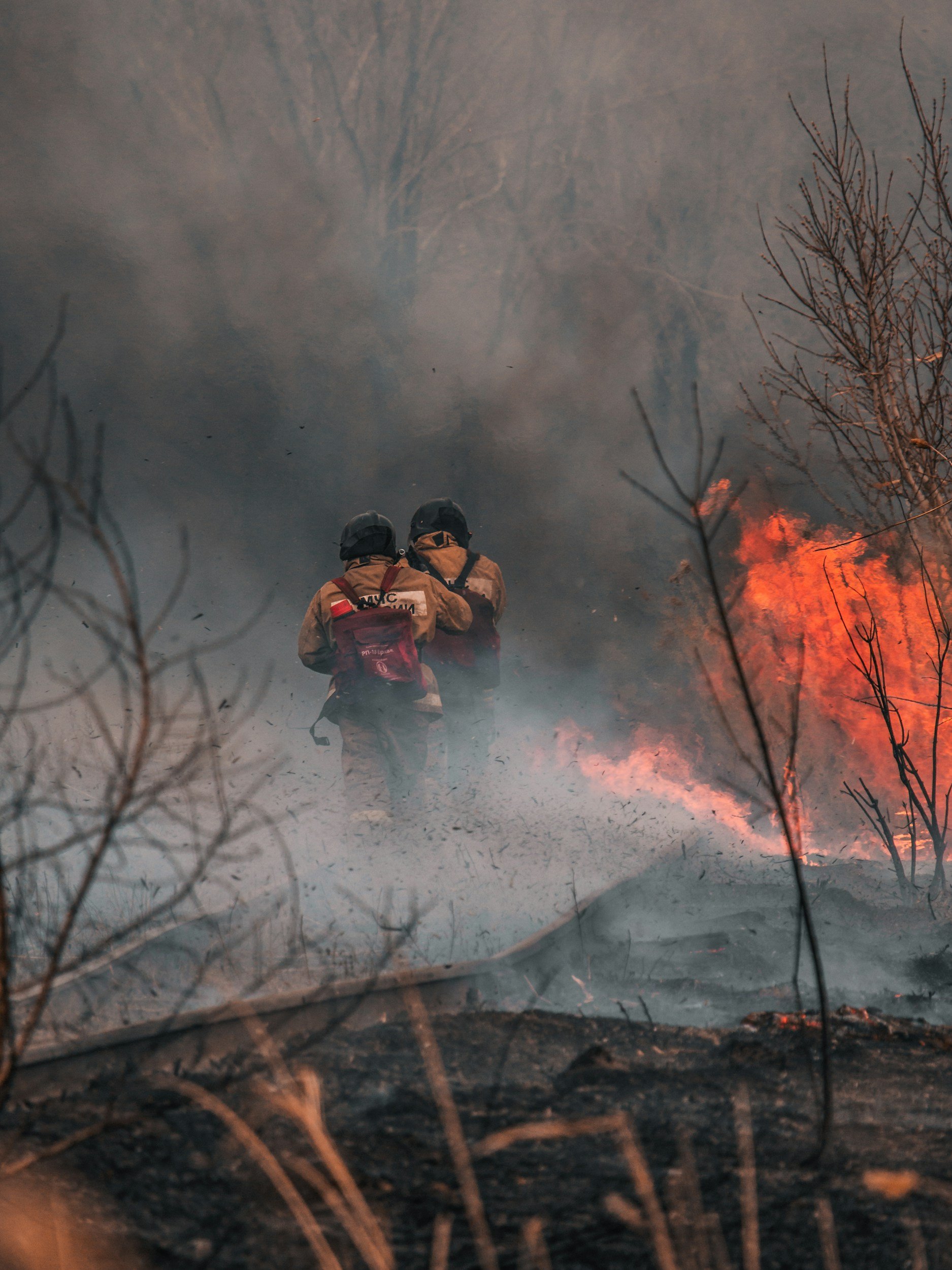
173 people. The deadliest natural disaster in Australian history. A fire that generated its own weather system.
The forecast for February 7th included temperatures above 40 degrees Celsius and winds that would shift in the afternoon. Wind shifts on days like this do not simply change the direction the fire is burning. They change everything simultaneously. What ignited near Kilmore East became a pyroconvective event, a column of fire that generated its own weather, its own lightning, its own wind system.
It moved at speeds that outpaced evacuation. It jumped roads. It jumped rivers. It jumped the firebreaks that had been cut in the days before February 7th in the knowledge that something like this was possible.
173 people died. The firefighters of the Country Fire Authority who worked Black Saturday have spent the years since rewriting the doctrine, in the knowledge that what they experienced was not a once-in-a-generation event. The climate is changing. They are still training for what comes next.
What ignited near Kilmore East became a pyroconvective event, a fire that generated its own weather. The firefighters who survived it have spent the years since training for what the changing climate will produce next.
FORT MCMURRAY, ALBERTA * MAY 2016
The Firefighters Who Stayed
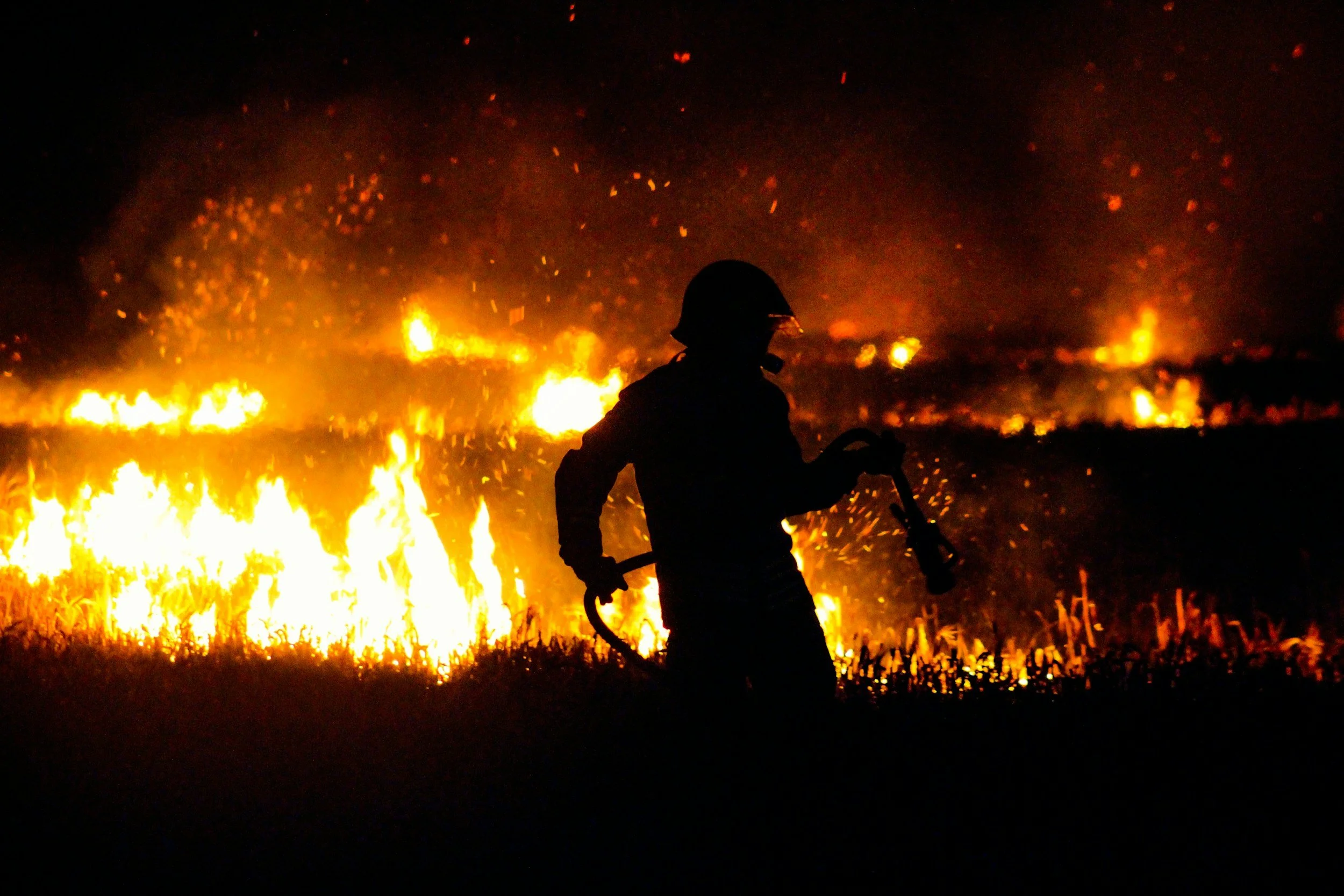
88,000 people evacuated on a single highway. The firefighters moved in the opposite direction.
The evacuation of Fort McMurray on May 3rd was the largest wildfire evacuation in Alberta's history. 88,000 people. One highway. The firefighters stayed because the city needed defending .
The fire destroyed approximately 2,400 structures. It sounds large until you understand that Fort McMurray had more than 25,000 structures, and that the firefighters who stayed saved the rest. They worked on roads the fire was crossing, in smoke that reduced visibility to meters, in heat measured in radiant flux rather than temperature.
The fire eventually consumed 590,000 hectares and became the costliest natural disaster in Canadian history. The firefighters who held the city on May 3rd are not in that headline. They are in the number that never got bigger.
The measure of the firefighters success is the city that still stands, not the headline that never named them.
Fear is not the absence of courage. It is the condition in which courage operates. What the training produces is not the elimination of fear. It is the ability to be afraid and to move anyway. Toward the fire. Every time. On every continent. In every kind of fire that human beings have built communities vulnerable to.
We Serve Those Who Serve Others.