Threats & Unrest
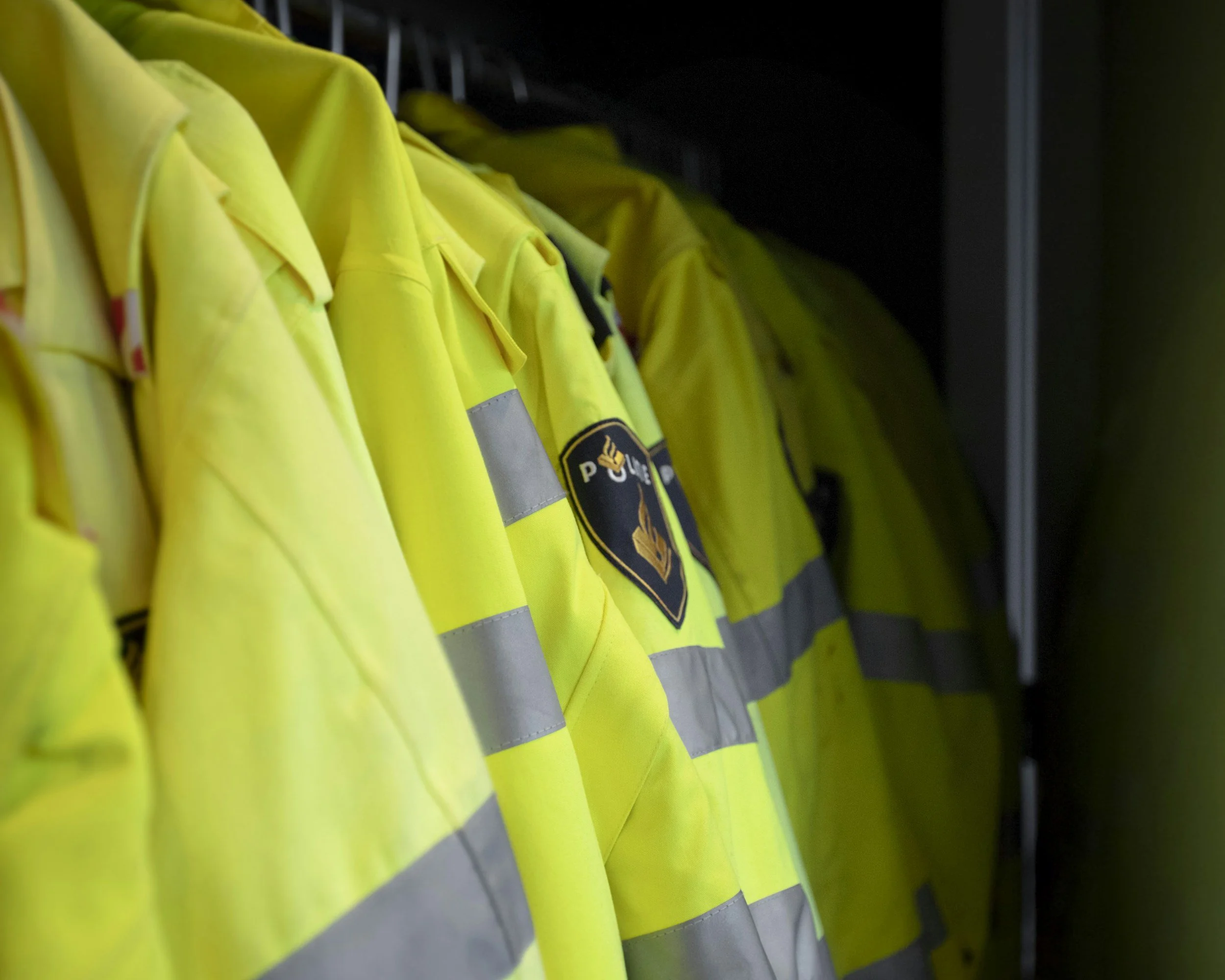
Hurricanes do not change track because the emergency manager is not well-prepared. Earthquakes do not delay because the search and rescue team isn’t ready. A natural disaster has no objective. An industrial accident has no strategy. The person or group that has chosen to cause harm has both. They plan. They probe. They look for what the response is not expecting. The security professional, the law enforcement officer, the intelligence analyst who has spent years developing the judgment to act correctly under those conditions is the answer to that specific kind of danger. That preparation is never finished. Neither is the threat.
NAIROBI, KENYA *NSEPTEMBER 21 - 24, 2013
Westgate
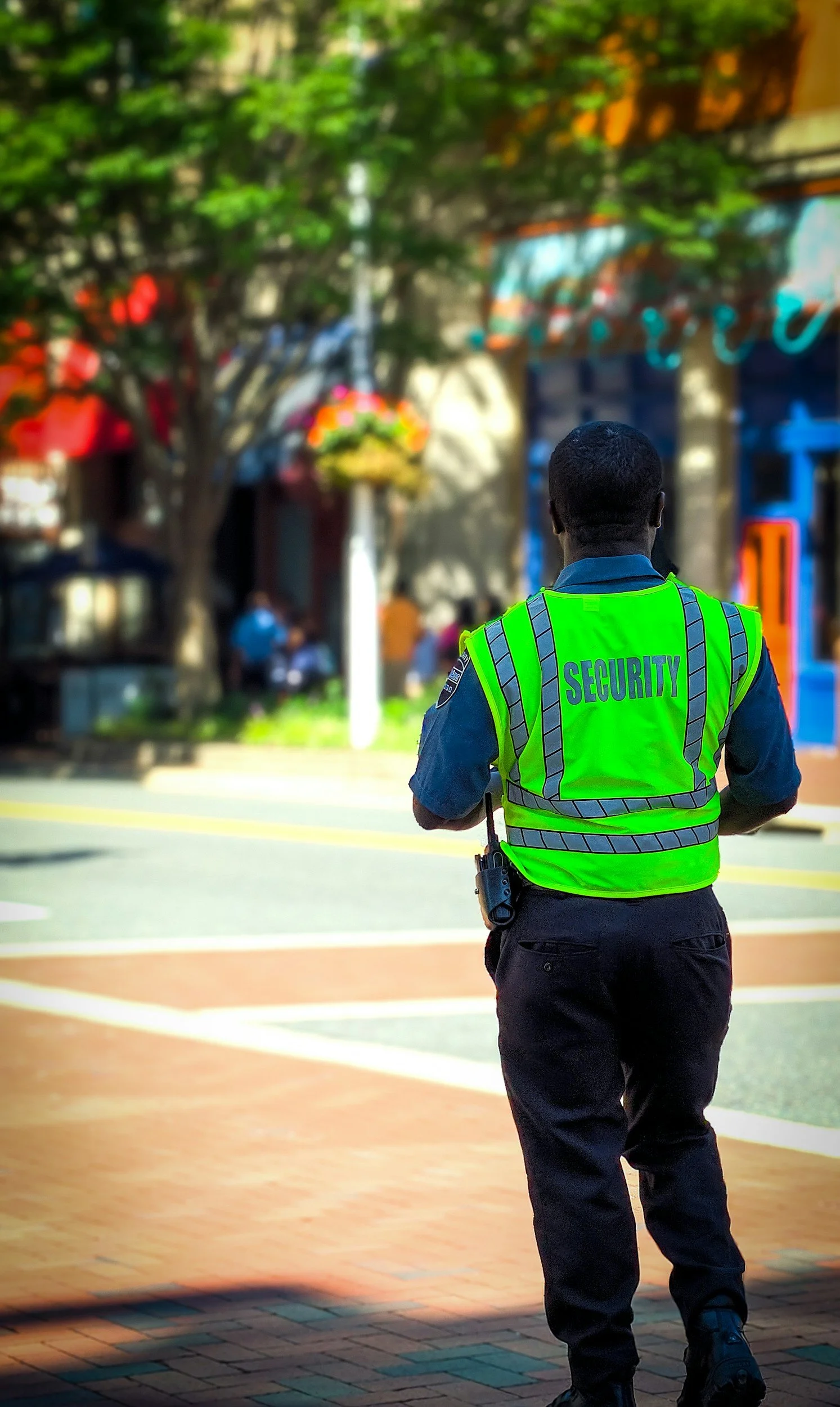
Four days. A shopping mall. 67 people killed. And the security and rescue professionals who went in while the shooting was still happening.
The Westgate Shopping Mall attack in Nairobi began on a Saturday morning when the mall was full of shoppers and families. Four gunmen from al-Shabaab entered and began shooting. The attack lasted four days. 67 people were killed. More than 175 were injured. The attackers held portions of the mall throughout the operation.
The response required the simultaneous management of an active shooter situation, a hostage rescue operation, a mass casualty medical response, a civilian evacuation of more than a thousand people, and a public communication environment in which social media was carrying information at a speed the official response could not match. The Kenya Defence Forces, the General Service Unit, the Recce Squad, and law enforcement agencies worked an operation that lasted four days in a complex, multi-level civilian environment against an adversary that had planned carefully and prepared defensive positions inside the mall.
Westgate is studied in security and emergency management because it encompassed, simultaneously, virtually every challenge that a complex terrorist attack in a civilian commercial environment presents. The civilians who were protected were guided out by security personnel moving through the building while the shooting was ongoing. They went toward the threat while the threat was still active.
The response required the simultaneous management of an active shooter situation, a hostage rescue operation, a mass casualty medical response, a civilian evacuation of more than a thousand people, and a public communication environment in which social media was carrying information at a speed the official response could not match.
VIWASHINGTON, DC * JANUARY 6, 2021
Insurrection Attempt
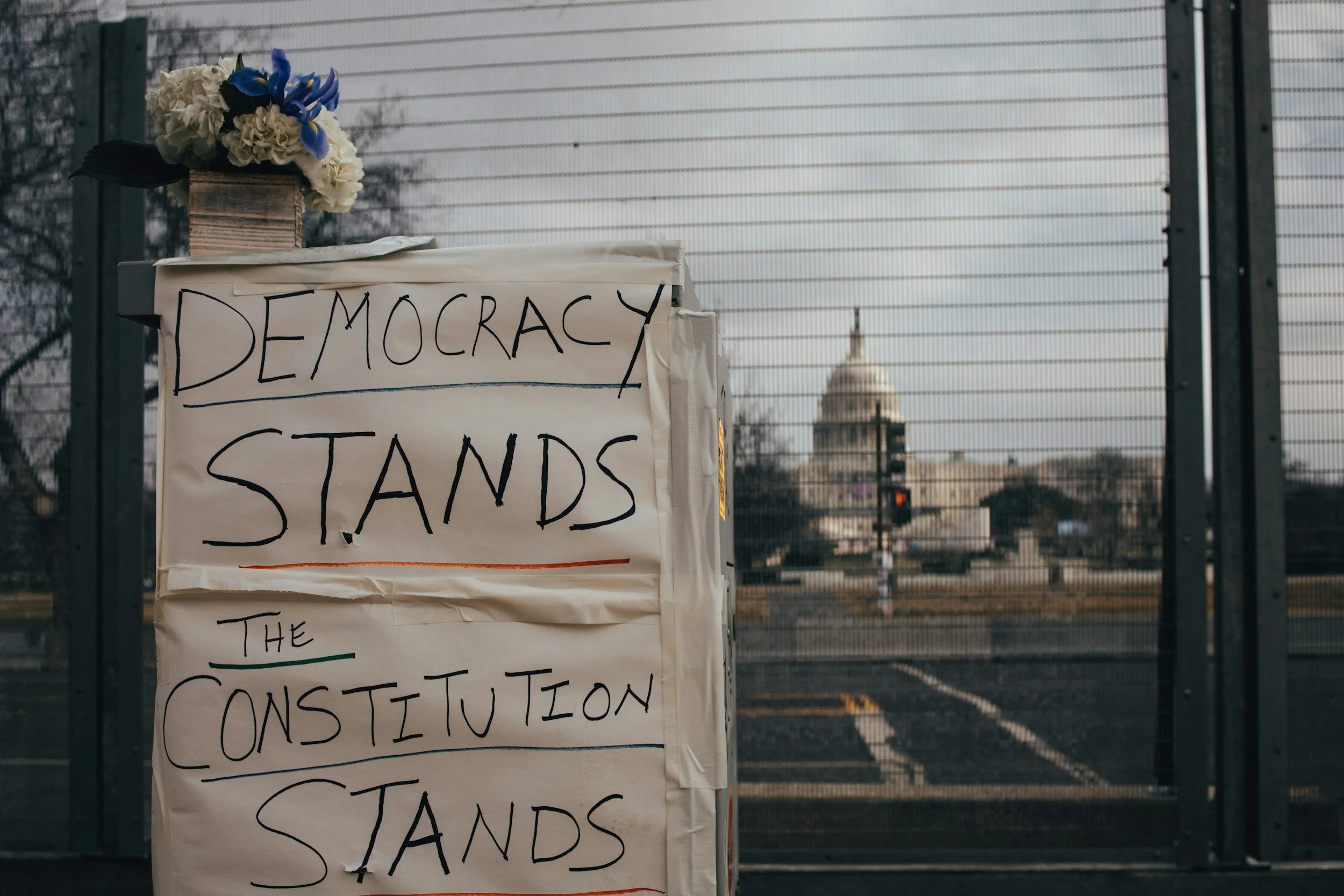
One officer. One corridor. One decision. Approximately sixty seconds that may have changed what January 6th became.
There was no protocol for what came through the doors of the United States Capitol on January 6, 2021. Officer Eugene Goodman, alone in a corridor on the Senate side of the Capitol, encountered a crowd moving toward the Senate chamber where members were sheltering.
He made a decision: draw them toward him, away from the chamber, up a staircase, buying the time that allowed additional officers to position themselves and the members inside to be evacuated. The footage of that corridor lasts approximately sixty seconds. Goodman has said since that he was doing his job. That it was not heroic. That anyone in his position would have done the same thing.
He is wrong about the last part. Not everyone acts from trained instinct when the moment arrives without warning, without backup, and without a clear outcome. The law enforcement professional who has internalized purpose so deeply that the right decision becomes available without deliberation is the product of a specific kind of preparation. Eugene Goodman had that preparation. He used it.
He has said it was not heroic. That anyone in his position would have done the same. He is wrong about the last part. Not everyone acts from trained instinct when the moment arrives without warning and without backup.
UVALDE, TEXAS * MAY 24, 2022
The 77 Minutes
19 children and 2 teachers. 77 minutes. And the law enforcement professionals who have spent the years since refusing to let it happen the same way again.
At 11:33 a.m. on May 24, 2022, a gunman entered Robb Elementary School in Uvalde and barricaded himself in classrooms 111 and 112. 19 children and 2 teachers were killed. More than 370 law enforcement officers from multiple agencies were present at the scene. The command structure collapsed. Officers waited in the hallway.
Uvalde is the hardest incident on this page. It is included not to condemn the individuals who were present — the full weight of institutional failure, inadequate training, absent command structures, and contradictory protocols is far more complex than individual fault — but because the law enforcement professionals who have spent the years since Uvalde rebuilding active shooter response protocols are doing the most important work in their field.
They are doing it because 21 people died who did not have to die. They are doing it because the gap between policy and action under pressure is a gap that training can close and that the absence of training leaves open. They are building something better. Right now.
The law enforcement professionals rebuilding active shooter protocols after Uvalde are doing it because 21 people died who did not have to die. They are moving from lessons learned to lessons applied. Right now.
What separates conflict, terrorism, and civil unrest from every other domain on this page is intent. Someone chose this. Someone planned it, rehearsed it, and looked for the weaknesses in the response before the response knew it was needed. The professionals who work this space spend their careers building judgment that is available in the moment when there is no time to build it. The work looks, from the outside, like preparation for something unlikely. It is preparation for something certain.
We Serve Those Who Serve Others.