Food & Agriculture
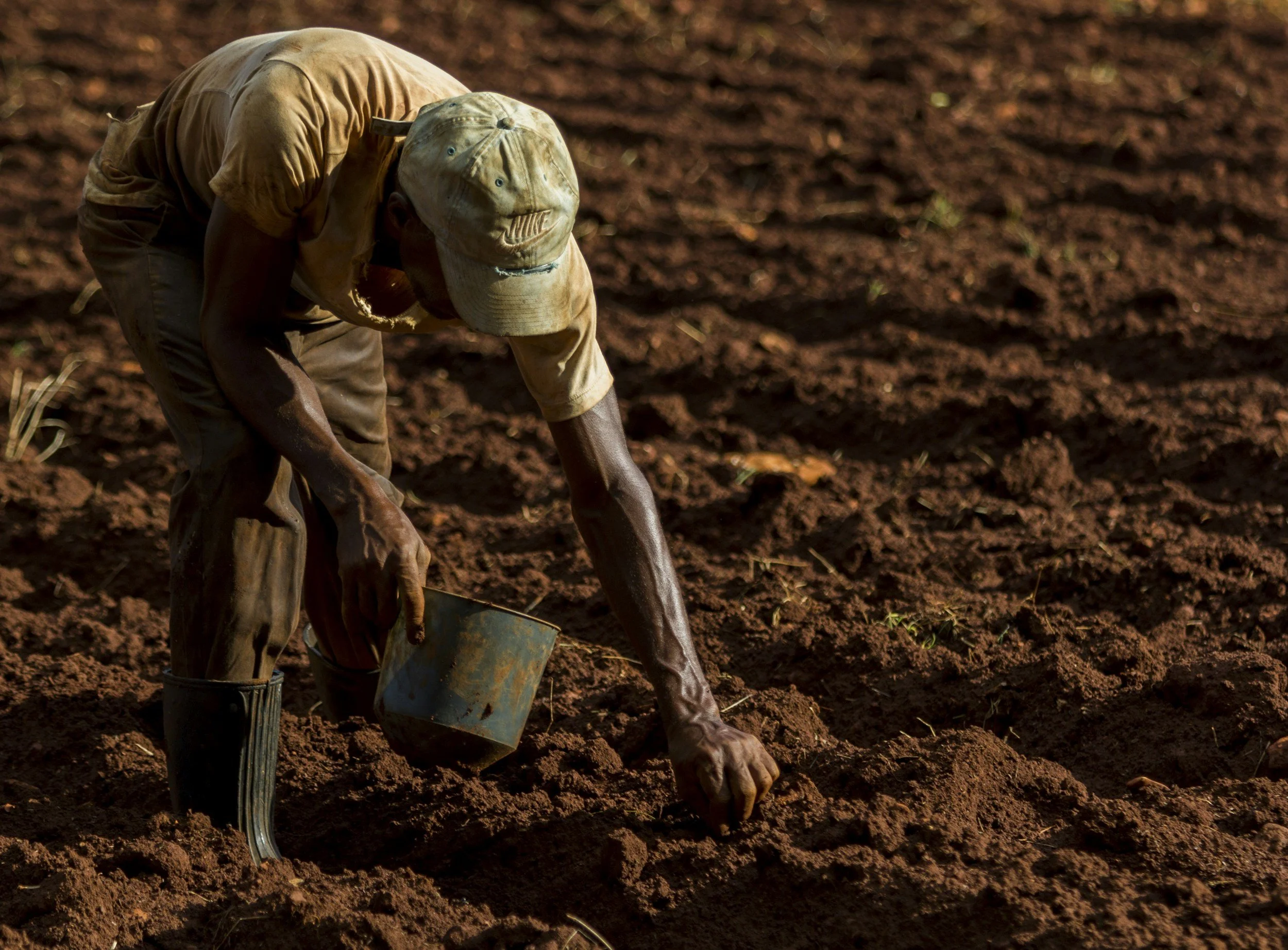
Food and agriculture infrastructure has no visible failure mode. A power grid goes dark. A bridge collapses. A water system stops running. Food insecurity builds through a disease moving silently through a livestock population, a contamination distributed across a supply chain before the first person gets sick, a policy decision whose consequences take months to surface. The professionals who work this domain operate before the failure is visible, which means they operate largely without the urgency that visibility produces. The work is surveillance, containment, traceability, and supply chain integrity, conducted in normal conditions, against failures that have not happened yet, for a public that will not notice if it works.
BENGAL, INDIA * 1943
Famine
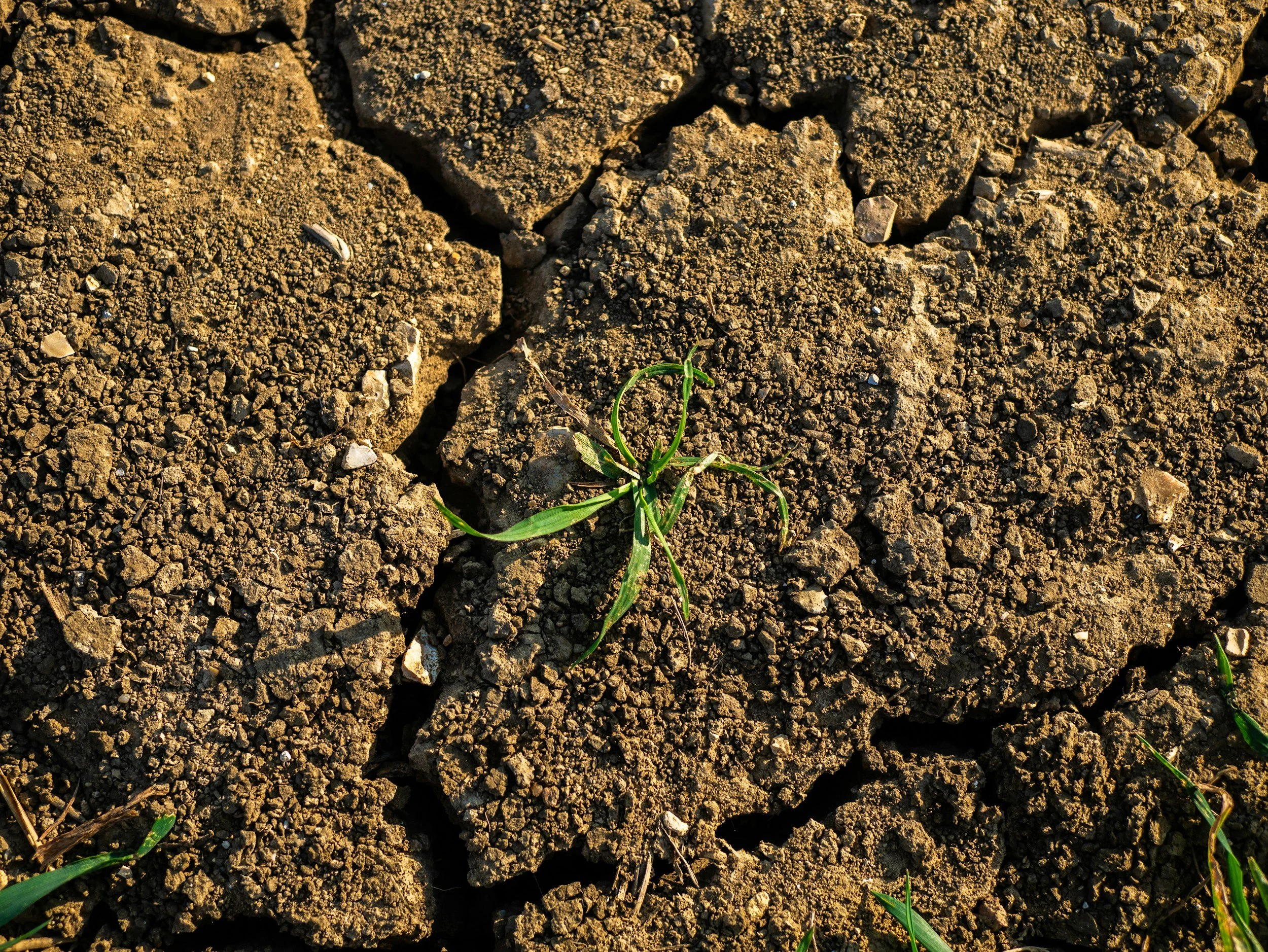
The worst famine of the twentieth century in a region producing enough food to feed itself. The supply chain managers, public health workers, and relief coordinators who worked inside a catastrophe that policy had created and policy was slow to correct.
The Bengal Famine of 1943 killed between two and three million people in a region that was not experiencing a crop failure. Bengal was producing food. The famine that killed three million of its people was not a natural disaster. It was the product of a specific set of policy decisions, supply chain interventions, and administrative failures that redirected food away from the civilian population that needed it and toward the military and export priorities of a wartime colonial government.
The Japanese occupation of Burma had cut off rice imports that Bengal depended on. The British colonial government implemented a denial policy, destroying boats and rice stocks in coastal Bengal to prevent their use by a potential Japanese invasion force, that removed food and the means of transporting it from the rural population simultaneously. Wartime inflation drove rice prices beyond what agricultural laborers and rural workers could afford. The colonial government was slow to acknowledge the scale of what was happening and slower to respond with the relief measures that could have reduced the death toll significantly.
The relief workers and public health professionals who worked the Bengal Famine did so inside a system that was simultaneously causing the crisis and managing the response to it. The rationing systems they built, the relief kitchens they operated, the nutritional surveillance they conducted across a population in acute distress, this work saved lives while the policy environment that surrounded it continued to constrain how many lives could be saved and how quickly.
The Bengal Famine is studied in food security and agricultural emergency management as the foundational case for a principle that Amartya Sen formalized decades later: famines do not occur in functioning democracies with a free press, because the political cost of allowing them to occur is higher than the cost of preventing them. The administrative and policy infrastructure that food security professionals work to build and maintain is not just a logistics system. It is a accountability system. The three million people who died in Bengal in 1943 died inside an accountability failure as much as a supply chain failure. The professionals who work food security today work against the recurrence of both.
A The Bengal Famine is the foundational case for a principle that has guided food security policy ever since: famines do not occur in functioning democracies with a free press, because the political cost of allowing them is higher than the cost of preventing them. Three million people died inside an accountability failure as much as a supply chain failure.
UNITED KINGDOM * FEBRUARY - OCTOBER 2001
Foot and Mouth
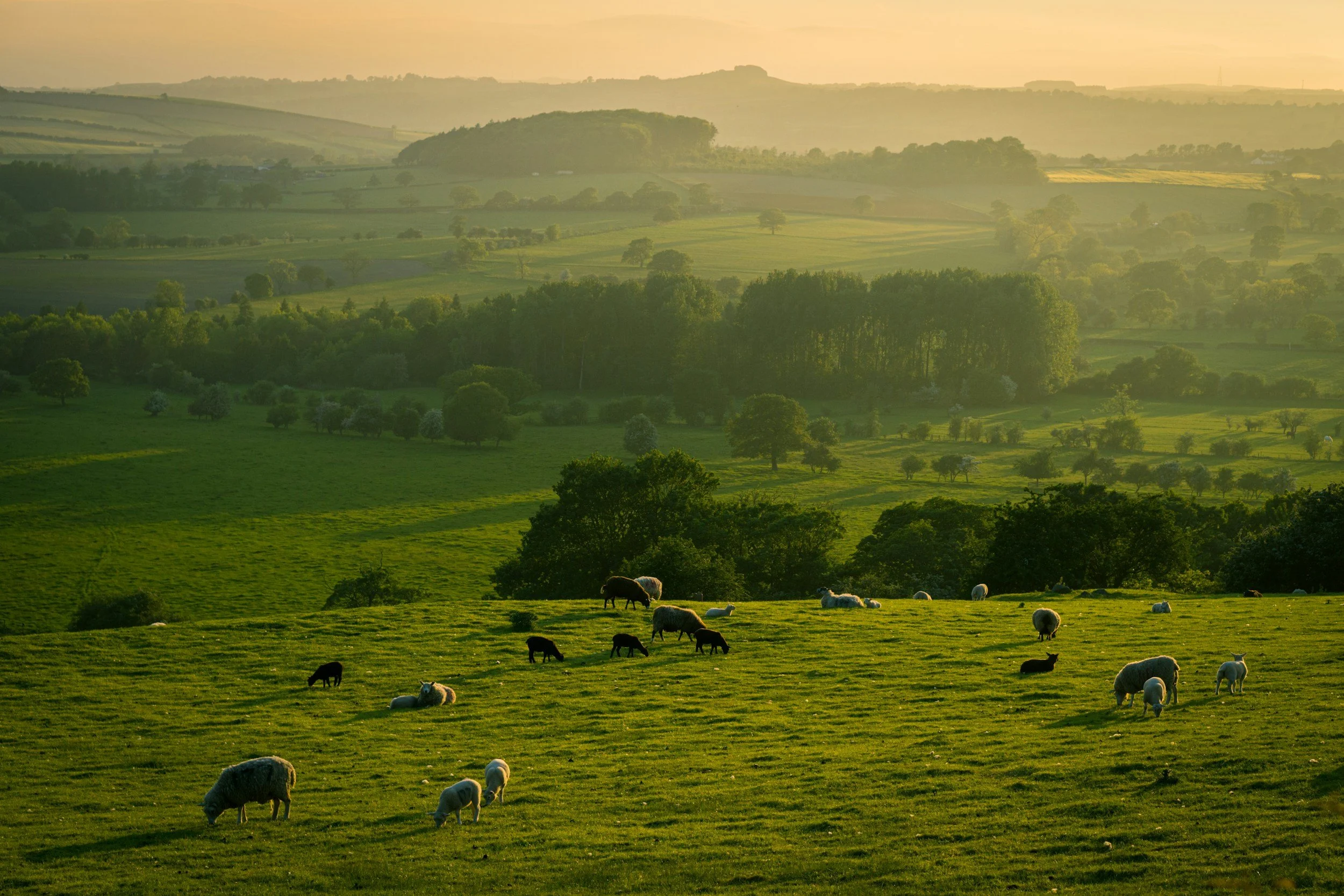
The most expensive animal disease outbreak in British history. 6.5 million animals slaughtered. The veterinarians, agriculture emergency managers, and rural liaison officers who contained an outbreak that came within days of becoming uncontrollable.
The first confirmed case of foot and mouth disease in the United Kingdom in 2001 was identified on February 20th at an abattoir in Essex. The animal had come from a farm in Northumberland. By the time the index case was confirmed, the disease had already been moving through the national livestock population for at least two weeks, spread by the movement of animals through markets and transport networks that had no reason to be restricted before the outbreak was known.
Foot and mouth disease does not kill adult animals in significant numbers. It is economically catastrophic because it is extraordinarily contagious, because it spreads through air as well as contact, and because its presence in a national herd triggers immediate trade bans from every export market the affected country supplies. The United Kingdom's livestock export trade, worth approximately 600 million pounds annually, stopped the day the outbreak was confirmed and did not resume for months.
The containment operation that followed was the largest animal disease response in British history. The slaughter policy, killing not only confirmed infected animals but all livestock within a defined radius of every confirmed case, was the established protocol for foot and mouth control. Its application across an outbreak that had already seeded itself widely before detection required the slaughter of 6.5 million animals over eight months. The pyres burning across the British countryside became the defining image of a rural crisis that extended far beyond the agricultural sector into the tourism industry, the rural economy, and the mental health of farming communities that watched their herds destroyed as a containment measure rather than as a consequence of the disease itself.
The veterinarians who worked the 2001 outbreak operated under conditions of sustained pressure that the scale of the slaughter operation and the speed of new case confirmation maintained for months. The epidemiologists mapping the spread worked to identify the network of animal movements that had distributed the disease before detection and to model where confirmed cases would emerge next. The rural liaison officers who worked between the government response and the farming communities bearing the direct cost of the containment measures held a relationship under acute stress throughout.
The 2001 outbreak was eventually contained. The subsequent inquiry produced fundamental changes to the United Kingdom's animal disease surveillance and response architecture: earlier reporting incentives, faster laboratory confirmation, revised movement controls, and a reconsideration of the automatic slaughter policy that the scale of 2001 had made difficult to sustain politically. The professionals who worked the 2001 response built those reforms from the inside of an outbreak that had tested every assumption the existing system held about how quickly foot and mouth could spread and how much of the national herd it could reach before detection.
The veterinarians, epidemiologists, and rural liaison officers who worked the 2001 outbreak did so for eight months, under sustained pressure, watching 6.5 million animals slaughtered as a containment measure. The reforms they built from that experience changed how the United Kingdom and much of the world thinks about animal disease surveillance. The outbreak produced the architecture. The professionals who worked it built it from the inside.
UNITED STATES * 2006 AND 2011
Foodborne Illness
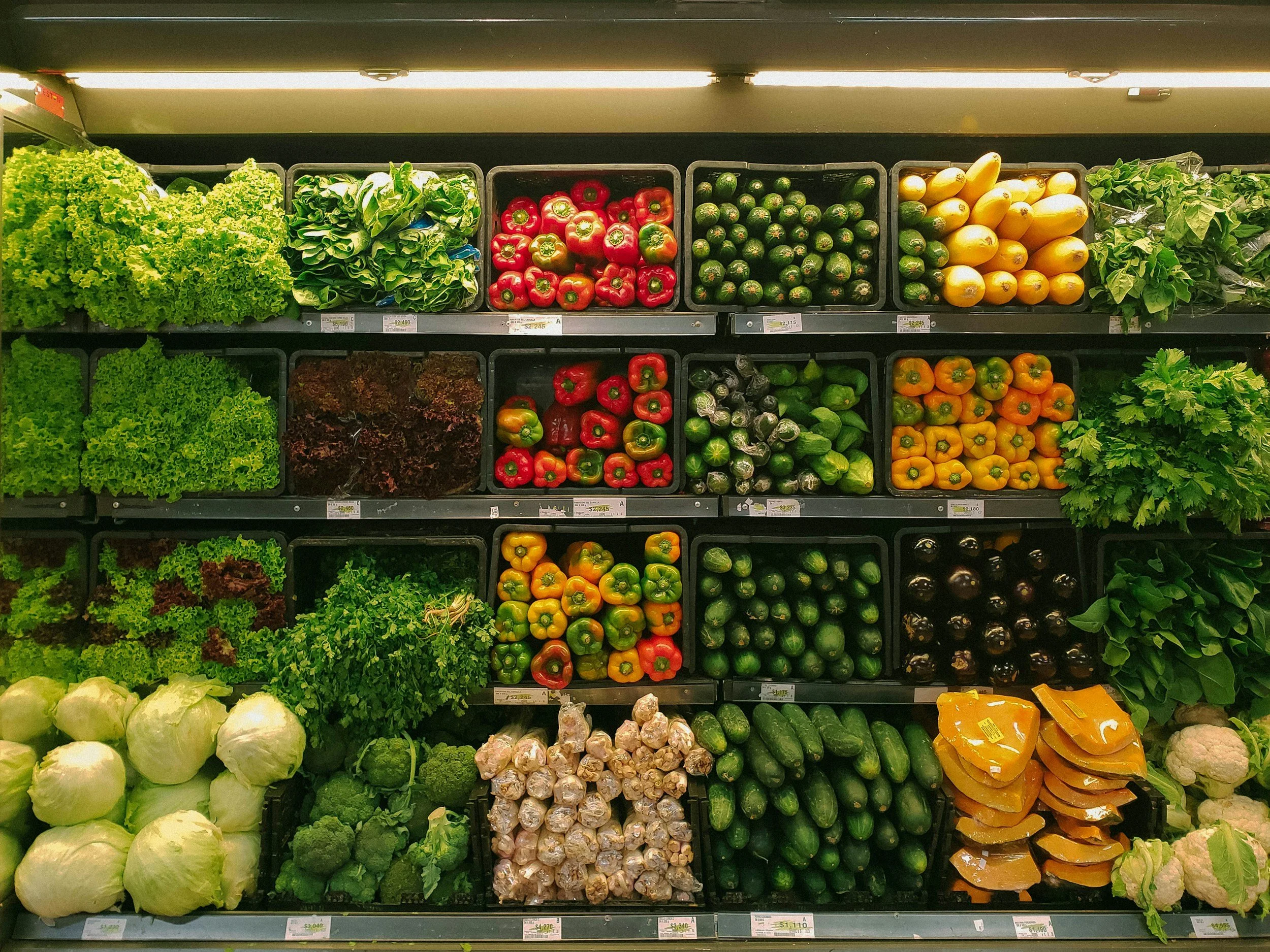
Two foodborne illness outbreaks. Two supply chains that moved contamination from a single source to consumers across dozens of states before the first case was confirmed. And the food safety investigators who traced them back.
In September 2006, an E. coli O157:H7 outbreak sickened 205 people across 26 states and killed 5. The source was fresh spinach, packaged and distributed by a single producer in California's Salinas Valley. In the weeks between the contamination entering the supply chain and the outbreak being identified as a multistate event, the spinach had moved through processing facilities, distribution centers, retailers, and restaurants across the country. People were eating it while the investigation that would eventually identify it as the source had not yet begun.
In 2011, a Listeria outbreak linked to cantaloupe from a single farm in Colorado killed 33 people across 28 states, the deadliest foodborne illness outbreak in the United States in nearly a century. Listeria is particularly dangerous because it has an incubation period of up to 70 days, meaning that people were becoming ill from cantaloupe they had eaten weeks earlier, at a point when the cantaloupe was long gone from the supply chain and from their memory.
The food safety investigators who work these outbreaks are epidemiologists, laboratory scientists, and supply chain analysts simultaneously. They work backward from a cluster of illness reports, often in people who have no obvious connection to each other, through the food they consumed in the days or weeks before becoming ill, through the supply chains that delivered that food, to the point of contamination. The further back in the supply chain the contamination occurred, the more people have been exposed before the investigation reaches its source and the harder the trace becomes.
The specific challenge of modern food safety investigation is the supply chain itself. A single processing facility can distribute a contaminated product to thousands of retail locations across dozens of states within days. The traceability systems that allow investigators to move from a confirmed case to a source quickly enough to prevent additional exposure have improved significantly since 2006 and 2011, driven directly by the scale of what those outbreaks revealed about how far contamination can travel before it is detected. The Food Safety Modernization Act, passed in 2011 in direct response to a series of major outbreaks, restructured the legal and operational framework for food safety from a response-based system to a prevention-based one. The food safety professionals who pushed for that shift had spent years working outbreaks that the existing system was not designed to prevent. They built the case for prevention from the inside of responses that arrived too late.
The food safety investigator works backward from illness to source, through supply chains that can move contamination from a single facility to thousands of retail locations across dozens of states in days. The traceability systems that make that investigation faster were built by professionals who worked outbreaks where the existing systems were too slow, and who understood exactly what too slow costs in human lives.
The food system touches every person on earth. When it works, it is invisible. When it fails, the consequences move faster and further than any other infrastructure failure. The professionals who protect it work in the gap between those two conditions, before the failure is visible and before the urgency that visibility produces. That is where the work that matters most gets done.
We Serve Those Who Serve Others.