Hazardous Material
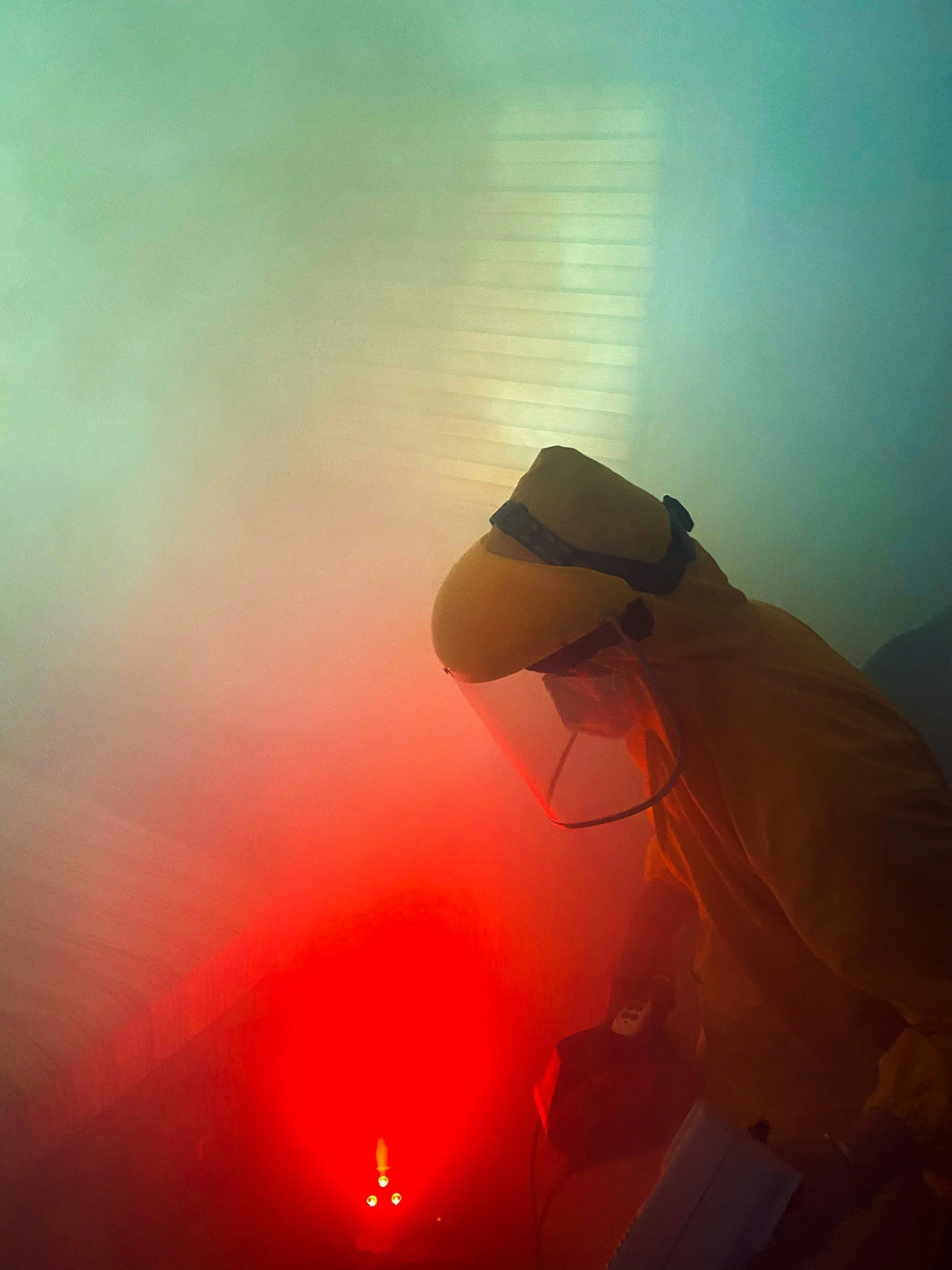
Most of the things that can kill you in an environmental or industrial incident are invisible. They have no color. No smell the human nose can detect at dangerous concentrations. No visible cloud that moves at a speed you can outrun. They are simply present in the air, in the water, in the soil, in the body of the person who has been exposed without knowing it. The environmental and industrial responder goes into the invisible thing. They measure it. They contain what can be contained. And they document what will need to be understood for years, sometimes decades, after the acute event is over.
BHOPAL, INDIA * DECEMBER 3, 1984
The Invisible Cloud
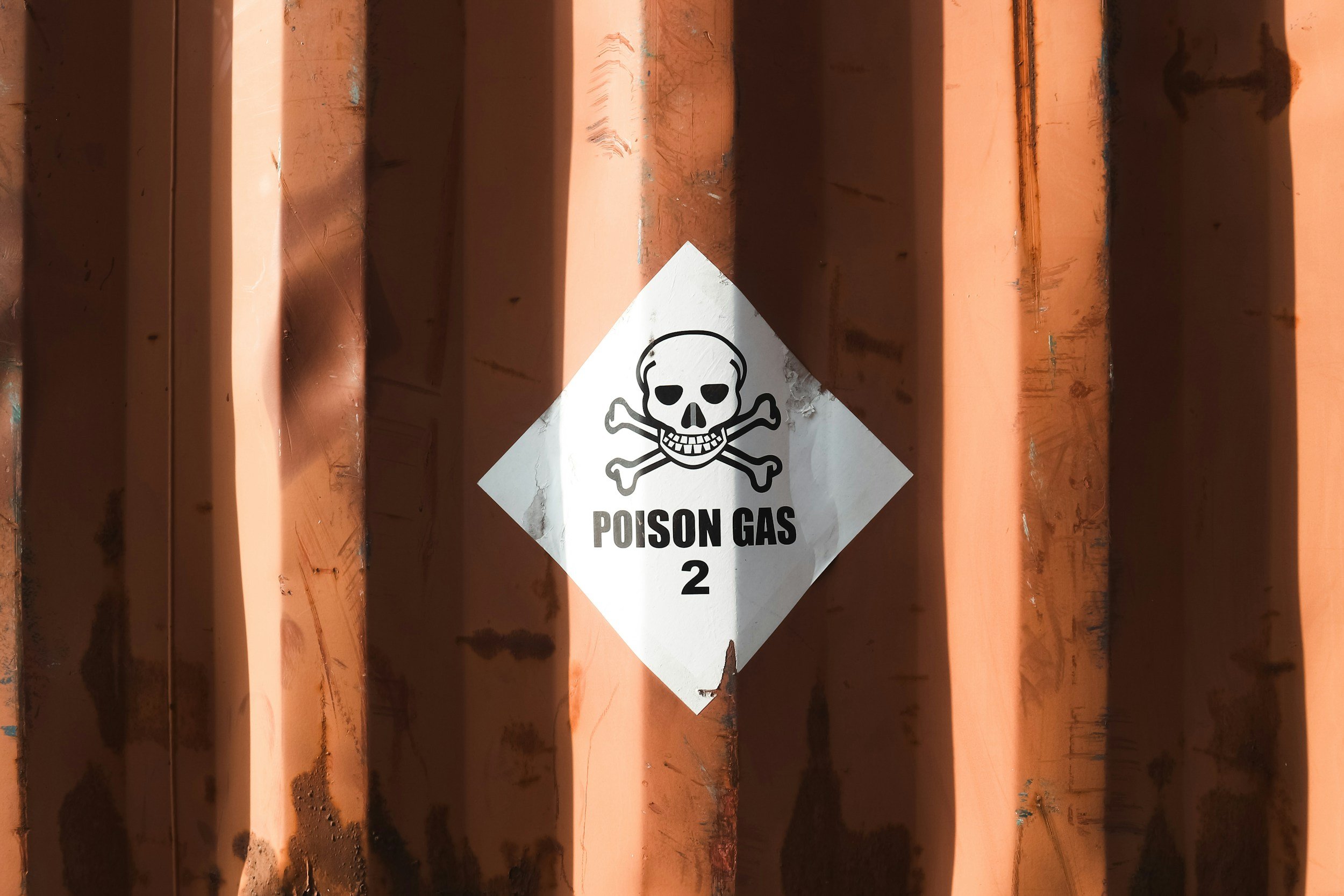
The fire brigade arrived within minutes. They did not know what they were responding to. The longest active environmental response to an industrial accident in history.
The fire brigade of Bhopal arrived at the Union Carbide plant within minutes of the leak beginning. They did not know what they were responding to - the plant's emergency response protocols had not been shared with the city's emergency services. Methyl isocyanate has no color, no meaningful odor at dangerous concentrations, and no evolutionary precedent in the human body's threat library. Between 3,800 and 16,000 people died that night. More than 500,000 were exposed.
The hazardous materials response that arrived was not containment in the conventional sense. The release had been occurring for hours. What the hazmat responders did was assessment and documentation — the painstaking work of understanding what had been released, in what direction, at what concentrations, so that the medical response could be targeted and the long-term exposure understood.
The environmental contamination of the Bhopal site is a hazmat response that is still unfinished. The plant was abandoned. The contamination was not remediated. Decades later, soil and groundwater samples from the site still show contamination levels that exceed safe exposure limits. The public health boundary drawn in Bhopal that night has not held the way boundaries are supposed to hold. The response is not in the past tense. It is ongoing.
The hazmat response to Bhopal is not in the past tense. It is the longest-running active environmental response to an industrial accident in history. The plant was abandoned. The contamination was not.
PRINCE WILLIAM SOUND, ALASKA * MARCH 24, 1989
The Exxon Valdez
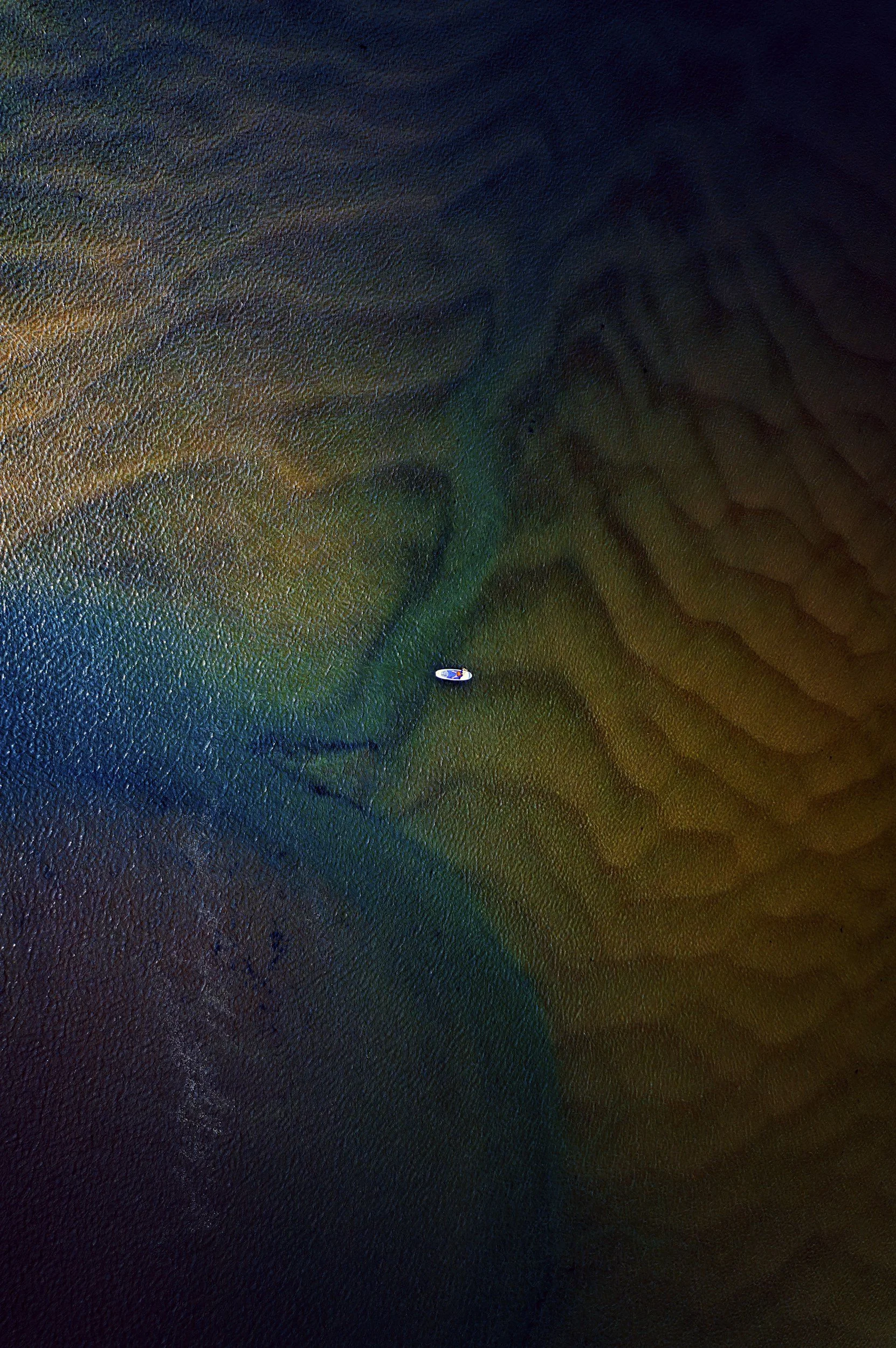
11 million gallons. The oil that built a regulatory framework. The scientists who built it on their hands and knees on oiled beaches.
The Exxon Valdez grounded on Bligh Reef at 12:04 a.m. and began releasing crude oil into Prince William Sound. 11 million gallons. The response equipment required to be immediately available was not on site, and by the time it arrived, the window for effective containment had closed.
The cleanup employed at its peak more than 11,000 workers and went on for four summers. The environmental scientists who worked the Valdez response, sampling the water column, analyzing the sediment, tracking long-term impacts on species populations, built, from those oiled beaches, the scientific foundation that environmental response science still rests on.
The Oil Pollution Act of 1990, passed in direct response to the Valdez, fundamentally restructured the legal and operational framework for oil spill prevention and response. Double-hull tanker requirements. Pre-positioned response equipment. Mandatory response plans. The tree of that regulatory framework is rooted in the oiled beaches of Prince William Sound.
The environmental scientists who worked the Valdez built, from oiled beaches on their hands and knees, the scientific foundation that environmental response science still rests on.
UKRAINE * APRIL 26, 1986 - PRESENT
Chernobyl
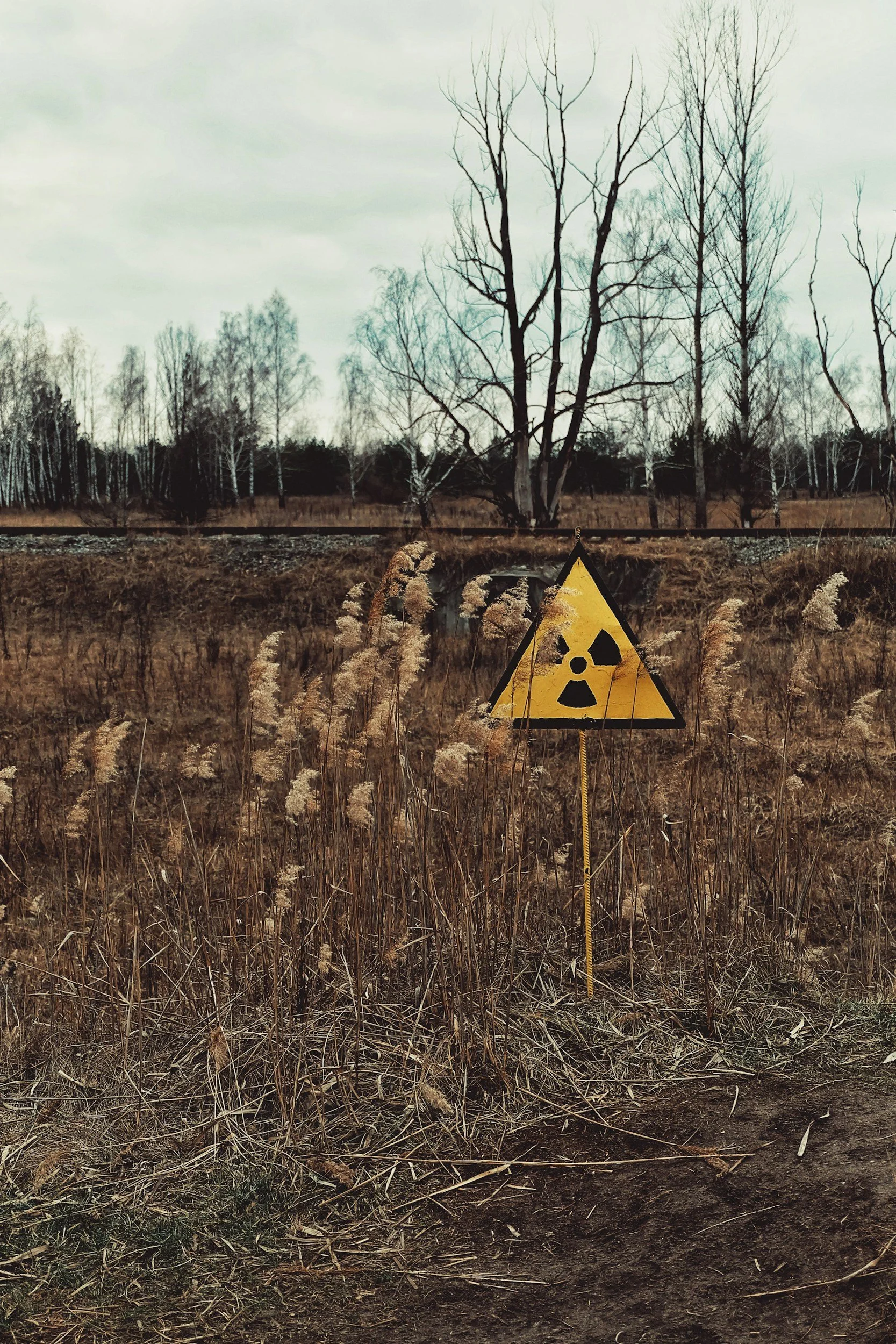
The firefighters whose dosimeters went off scale. The 600,000 liquidators. The response that is still active.
The firefighters who responded to the reactor fire at Chernobyl did not know the nature of the radiation they were entering. Their dosimeters went off scale. They reported the readings and continued working. Twenty-eight of them died within months.
The 600,000 liquidators who followed worked in conditions of radiation exposure managed imperfectly by a Soviet system simultaneously trying to contain the disaster and contain the information about it. The New Safe Confinement structure completed in 2016 is designed to last 100 years.
The people who work the Chernobyl Exclusion Zone today are managing a release that happened in 1986 and will not be finished mattering for longer than any institution currently existing will last. This is the extreme end of what environmental and industrial response means: a response on a timeline that exceeds human professional careers, passed from one generation of responders to the next, requiring institutions capable of sustaining a mission across centuries.
The response to Chernobyl will be passed from one generation to the next, requiring institutions capable of sustaining a mission across centuries. This is the extreme end of what environmental response means.
Environmental and industrial response does not end when the acute event is over. It ends when the contamination is gone, which is sometimes never. The professionals who work this domain operate on the longest timeline of anyone in emergency management, often measuring their work in decades rather than days. What they produce is a record: of what was released, where it went, what it did, and what remains. That record is the foundation on which every subsequent decision about a contaminated site is made, by people who were not present at the event and who depend on the accuracy of what was documented by the people who were.
We Serve Those Who Serve Others.