Public Health
The decisions that shape the outcome of a public health emergency are usually made before most people know there is an emergency. Triage protocols, containment recommendations, resource allocation, surge capacity triggers: these are set in motion early, under uncertainty, by professionals whose judgment determines what the next weeks look like for thousands of people who do not yet know they are affected.
NPHILADELPHIA AND ST. LOUIS * SEPTEMBER - OCTOBER 1918
A TALE OF TWO CITIES
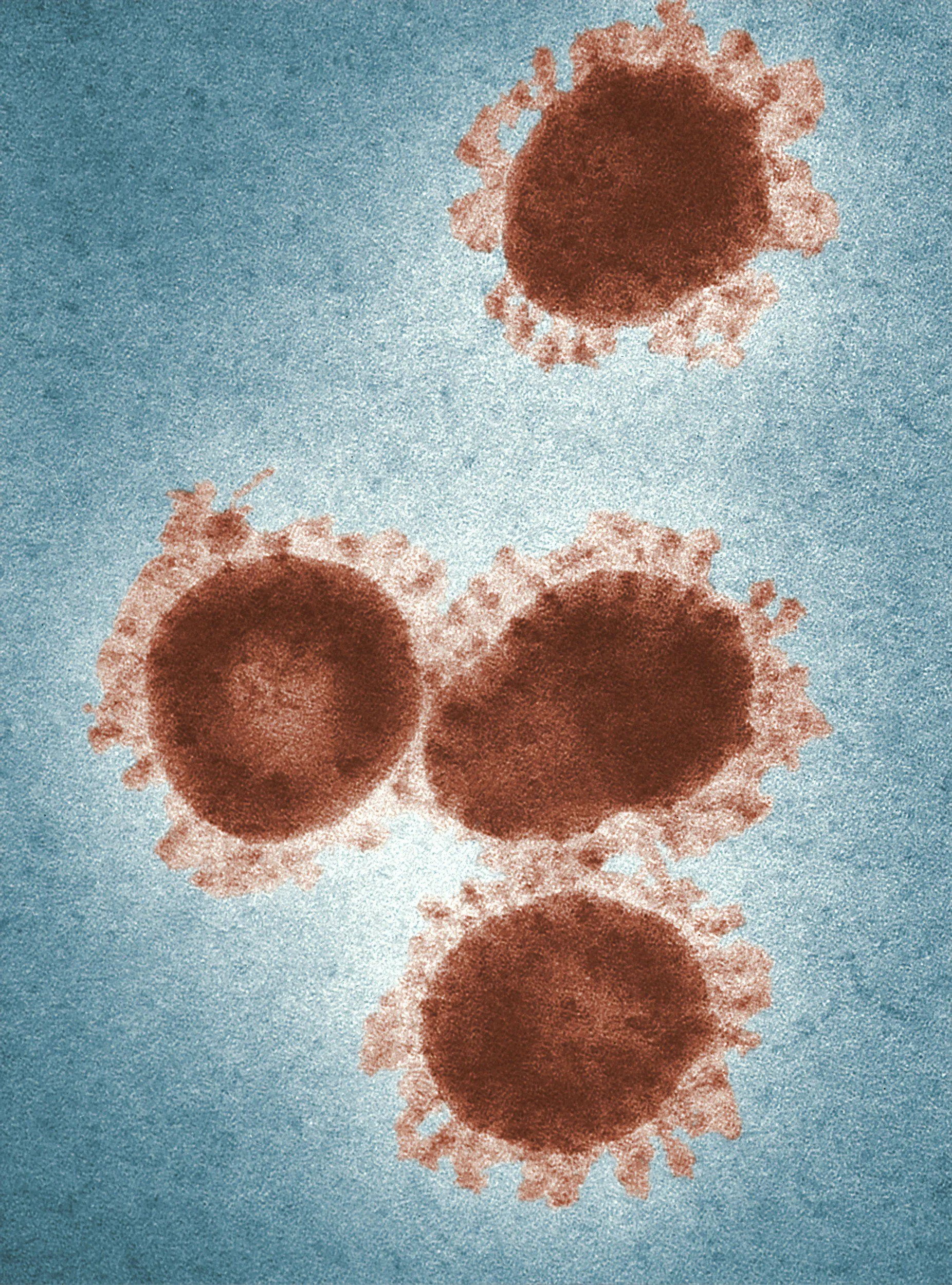
The worst pandemic in modern history. Two cities. One parade. A public health lesson that has never expired.
In September 1918, the second wave of the influenza pandemic arrived in the United States. Philadelphia's public health director, Wilmer Krusen, allowed a Liberty Loan parade to proceed on September 28th — 200,000 people, shoulder to shoulder, raising money for the war. Within 72 hours, every hospital bed in Philadelphia was full. Within six weeks, more than 12,000 Philadelphians were dead. The city ran out of coffins. Bodies were stacked in the streets.
St. Louis, facing the same virus two weeks later, made a different decision. Public health commissioner Max Starkloff closed schools, churches, theaters, and public gatherings. He enforced the closures. He absorbed the political pressure. He was called an alarmist, an overreactor, a destroyer of civic life. St. Louis lost 358 people per 100,000 residents. Philadelphia lost 748 per 100,000.
The public health officer who makes the unpopular decision — who closes the parade, who enforces the quarantine, who absorbs the political cost of a restriction whose necessity only becomes visible in the counterfactual — is performing an act of institutional courage that saves lives which are never counted. The cities that chose differently in 1918 built the evidence base that public health has used ever since.
“The public health officer who makes the unpopular decision absorbs the political cost of a restriction whose necessity only becomes visible in the counterfactual. St. Louis and Philadelphia recorded the same virus. They did not record the same outcome”
WEST AFRICA *2014 - 2016
Ebola
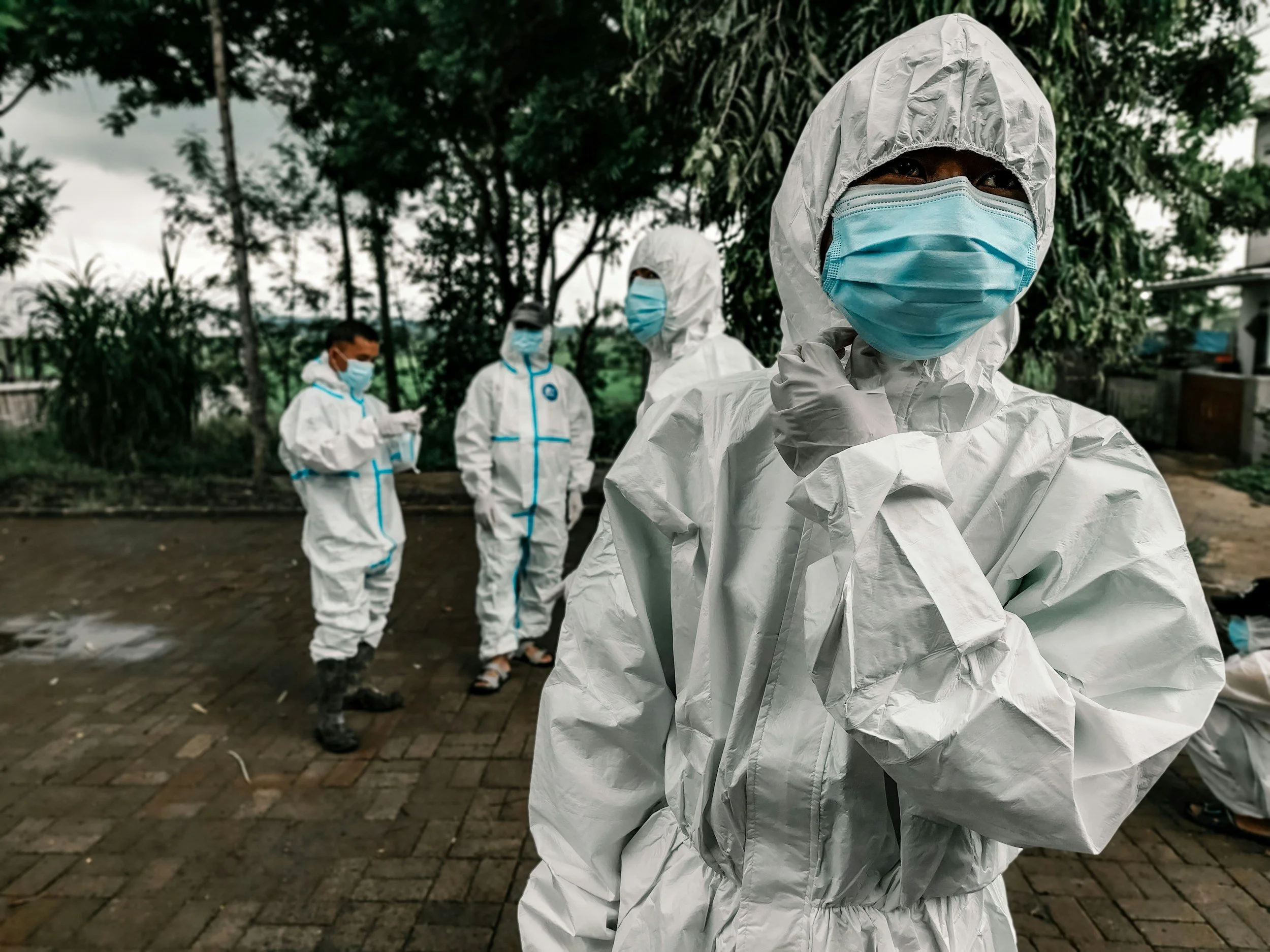
11,000 people died. The outbreak turned when community health workers built enough trust that people chose to come forward. Most of those workers were from the communities they were serving.
The Ebola outbreak that began in Guinea in December 2013 killed more than 11,000 people across Guinea, Sierra Leone, and Liberia. It was the largest Ebola outbreak in recorded history and the first to reach epidemic scale in urban environments.
The public health response required something that pharmaceutical interventions and medical facilities alone could not provide: trust. Communities had to make a decision, to bring their sick to Ebola Treatment Units rather than care for them at home in the manner that cultural tradition prescribed. In a context where ETUs were associated with death and separation, that decision was not automatic.
The community health workers who did the contact tracing , who went door to door in neighborhoods where people were afraid , were the people who turned the outbreak. They were not imported experts. They were neighbors. They knew what trust looks like in their communities and what it costs to build it. The women who led many of these community engagement efforts did so in environments where their authority was not automatic and their safety was not guaranteed. They built the trust anyway.
The community health workers who turned the Ebola outbreak were not imported experts. They were neighbors. They built trust in communities where trust had to be earned, not assumed. And they were right.
BERGAMO, ITALY * MARCH 2020
COVID
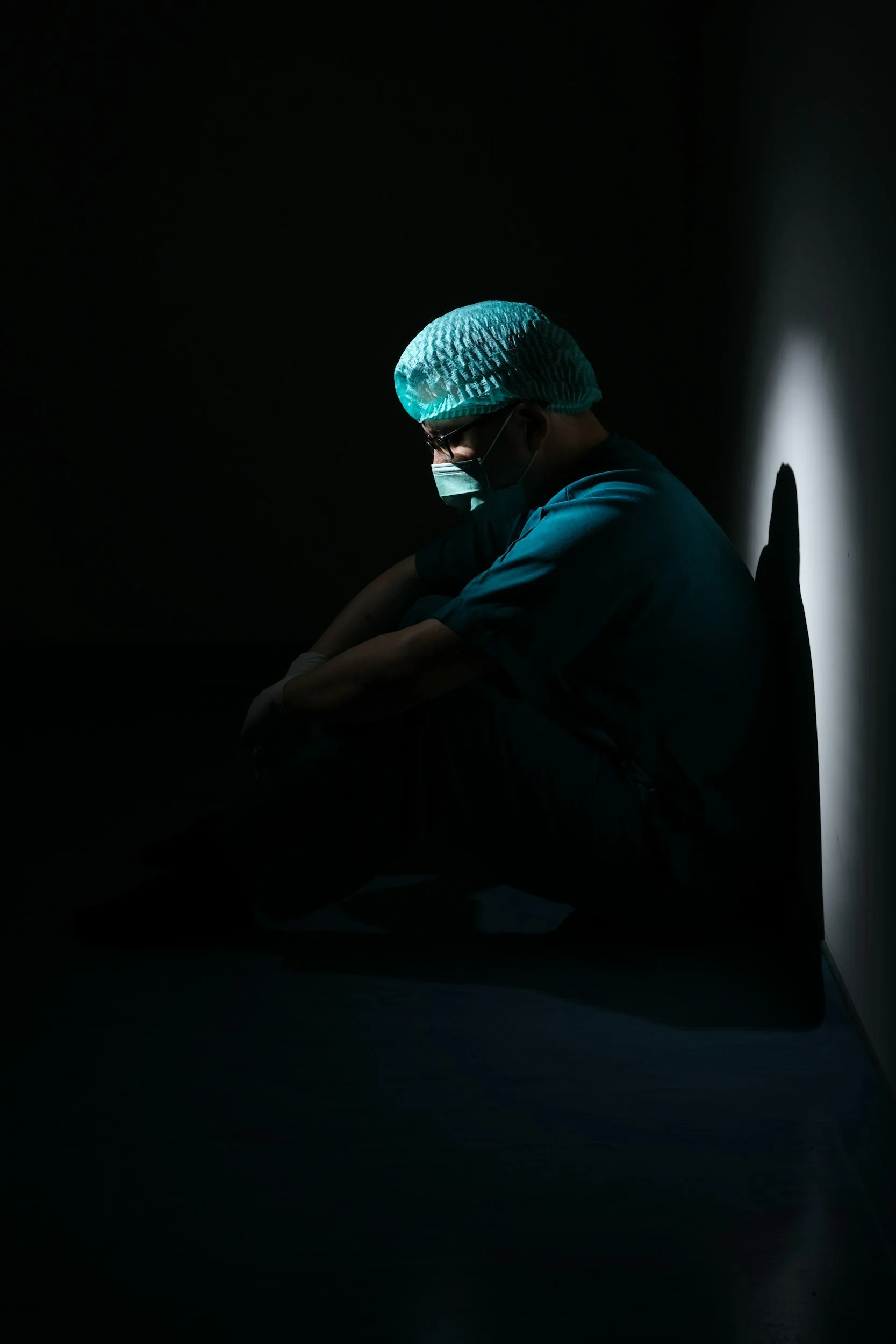
Physicians making decisions that medicine had not required them to make before. And coming back the next morning.
In March 2020, the hospitals of Bergamo became the image the world used to understand what COVID-19 was capable of. The intensive care units filled faster than they could be expanded. The military transported bodies because the morgues were full. The physicians and nurses worked without adequate protective equipment, without established treatment protocols, without knowledge that the disease would eventually be manageable.
The specific weight the physicians of Bergamo carried was not only the volume of the sick and the dying. It was the decisions. When there are not enough mechanical ventilators for the patients who need them, someone has to make the allocation decision. That decision had not been a normal part of clinical practice for most of those physicians. They made it anyway. Every shift. And they came back.
The public health professionals who worked COVID-19 globally, the contact tracers, the epidemiologists, the ICU nurses, the medical examiners, the vaccine coordinators, held the boundary under conditions unprecedented in modern medical history. Most of them have never been publicly recognized for it. They did not do it for recognition.
They made the allocation decisions. Every shift. Without protocol. Without precedent. And they came back the next morning. That is what holding the boundary looks like from the inside.
The second disaster is the one that public health emergency management exists to prevent. Not the earthquake, but the cholera outbreak that follows it. Not the mass casualty event, but the secondary infections in overwhelmed hospitals. Not the pandemic, but the collapse of routine healthcare that runs alongside it. That work happens in the background of every crisis, conducted by professionals whose success is measured in things that did not occur. It is among the hardest work to sustain politically and institutionally, because the case for it can only be made in the counterfactual.
We Serve Those Who Serve Others.