Complex Humanitarian Response
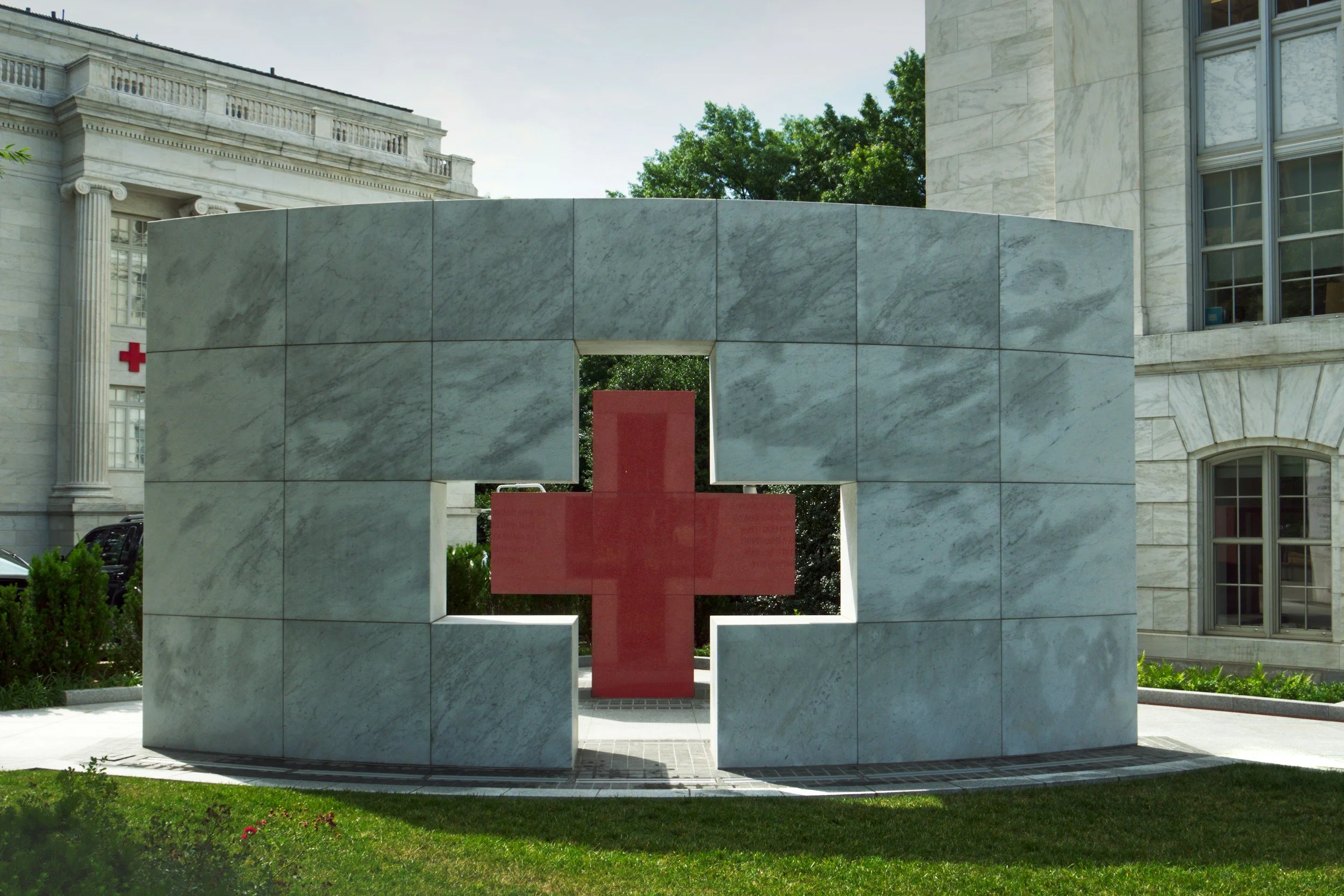
Humanitarian response operates in the places where the standard emergency management framework does not apply. That framework assumes a functioning government, a recognized authority structure, and some baseline of infrastructure to work from. In the crises that produce the largest humanitarian needs, one or more of those assumptions has failed. The government may be the party responsible for the crisis. The infrastructure may be the target of the conflict. The humanitarian worker arrives into that condition and builds a response from what is available, which is rarely enough, toward a standard that the situation makes almost impossible to reach.
KOSOVO * 1999
Starting Over
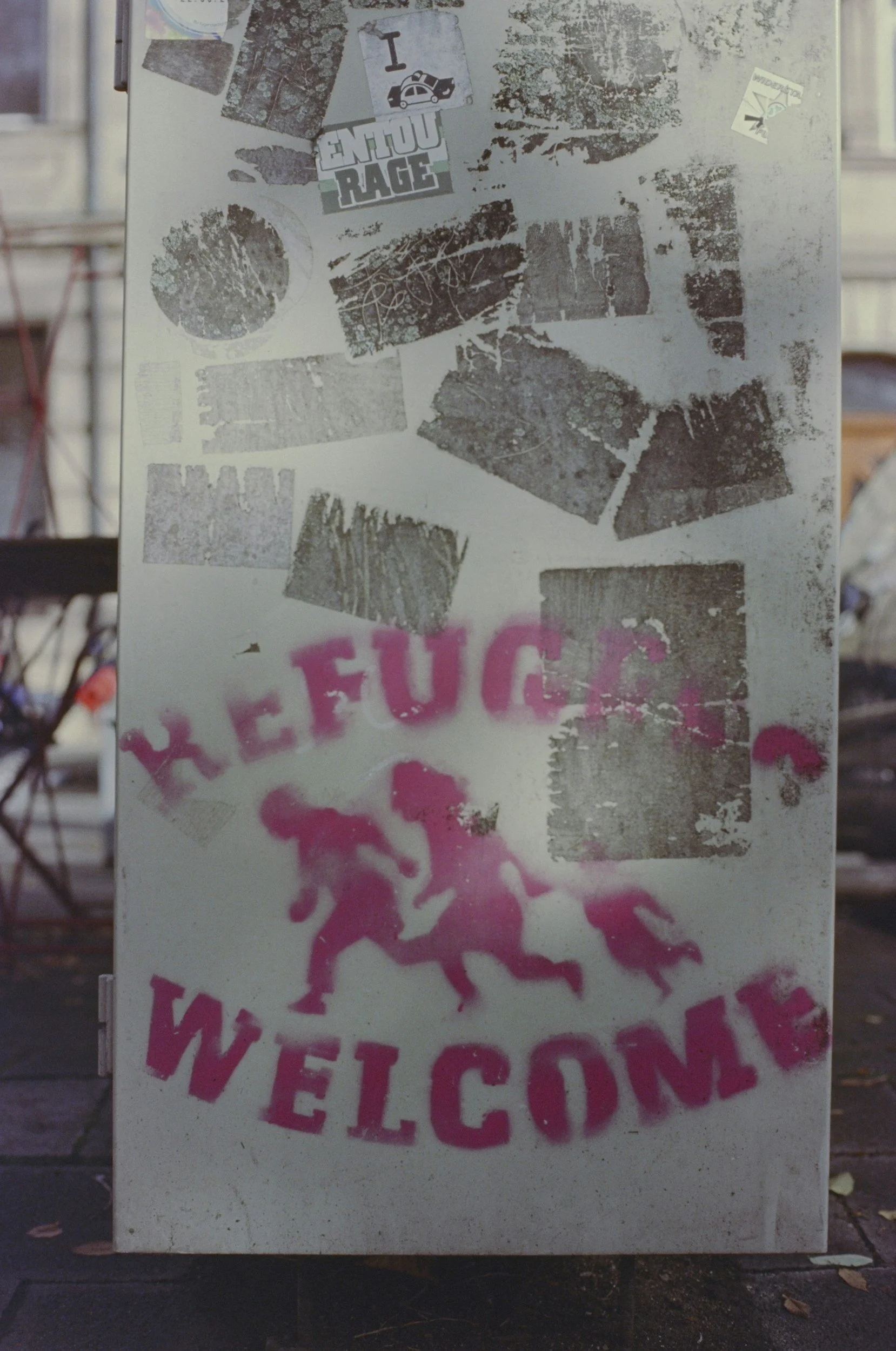
The Kosovo crisis produced one of the fastest mass displacement events in European history since World War II, approximately 900,000 people driven from their homes in weeks, arriving with what they could carry. The international humanitarian response that met them was the largest in Europe since the immediate postwar period.
The refugee coordinators who worked the registration centers, the transit camps, the resettlement programs understood something that operational frameworks do not always capture: displacement is an information emergency as much as it is a physical one. The person who has fled does not know if their family members are alive. They do not know where they are being taken or what happens next.
The humanitarian worker who gives a displaced person accurate, honest, human information, who says: here is what we know, here is what we do not know, here is what happens today and tomorrow, is doing something that cannot be measured in supply chain metrics or camp capacity statistics. They are restoring the minimum condition for human agency in a situation that has stripped everything else away.
900,000 people displaced in weeks. The refugee coordinators who gave them the first information they had received that they could trust.
The humanitarian worker who gives a displaced person accurate, honest, human information is restoring the minimum condition for human agency in a situation that has stripped everything else away.
KIGALI RWANDA * APRIL 6 - JULY 4, 1994
Those Who Stayed
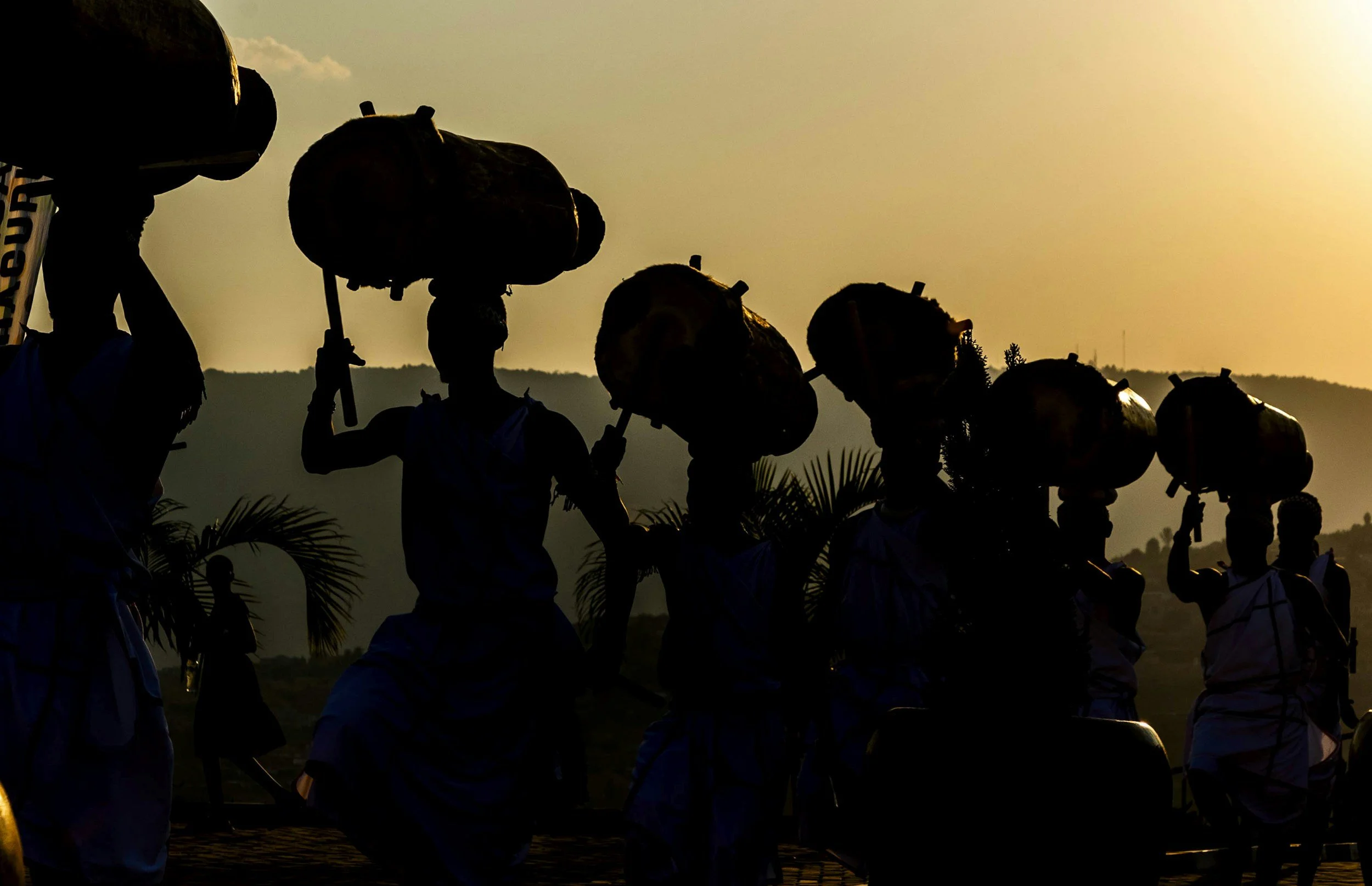
800,000 people killed in 100 days. The international community withdrew. The aid workers, clergy, and local humanitarian staff who remained did so without institutional protection, without a functioning mandate, and without any guarantee they would survive the decision.
When the killing began in April 1994, the international withdrawal was swift. Belgian peacekeepers left after ten of their colleagues were murdered. Most foreign nationals were evacuated within days. The organizations that remained did so with skeleton staffs, reduced resources, and no security guarantee that meant anything on the ground.
The people who stayed were not making an abstract commitment to humanitarian principles. They were making a specific, daily, renewable decision to remain in a country where the mechanisms of mass killing were operating openly and where being associated with the wrong population could cost you your life. Local humanitarian staff faced that calculation in its starkest form. They could not be evacuated. They were Rwandan. Some were Tutsi. They stayed and worked because the people they served had no one else.
The Médecins Sans Frontières (MSF aka Doctors Without Borders) teams continued operating in hospitals that had become killing sites. Patient wards were not protected. Staff worked in facilities where the distinction between medical space and killing ground had been deliberately erased by the people carrying out the genocide. They documented what they witnessed, treated who they could reach, and filed reports that went into an international system that was not, in those hundred days, prepared to act on them.
International Committee of the Red Cross (ICRC) delegates negotiated access across roadblocks controlled by Interahamwe militia. Access was not guaranteed. It was extracted, negotiation by negotiation, from armed men who had no legal obligation to grant it and no institutional incentive to do so. The delegates worked on credibility built in the field, on relationships established before April 6th, and on the calculation that showing up consistently was the only leverage available.
Rwandan clergy sheltered thousands in churches across the country. Some of those churches held. Some did not. The massacres at Nyamata, Ntarama, and the Saint-Famille church in Kigali happened in spaces that had been designated as places of refuge. The clergy who had opened those doors made decisions they could not have known the outcome of. Some survived. Many did not. The people they were trying to protect were killed alongside them.
What the humanitarian workers who survived Rwanda carried out of those hundred days was not closure. The genocide ended when the Rwandan Patriotic Front took Kigali in July. The international humanitarian response then scaled up rapidly, focused largely on the refugee crisis in Zaire as Hutu civilians and militia fled together across the border. The people who had worked inside Rwanda during the killing watched the international system mobilize at scale for the aftermath in ways it had refused to mobilize during the event itself.
They have continued working. In Rwanda, in the DRC, in the crises that followed. Carrying the knowledge of what the international humanitarian system is capable of when it decides to act, and what it permits to happen when it decides not to.
COX’S BAZAR, BANGLADESH * 2017 - PRESENT
The Largest Refugee Camp
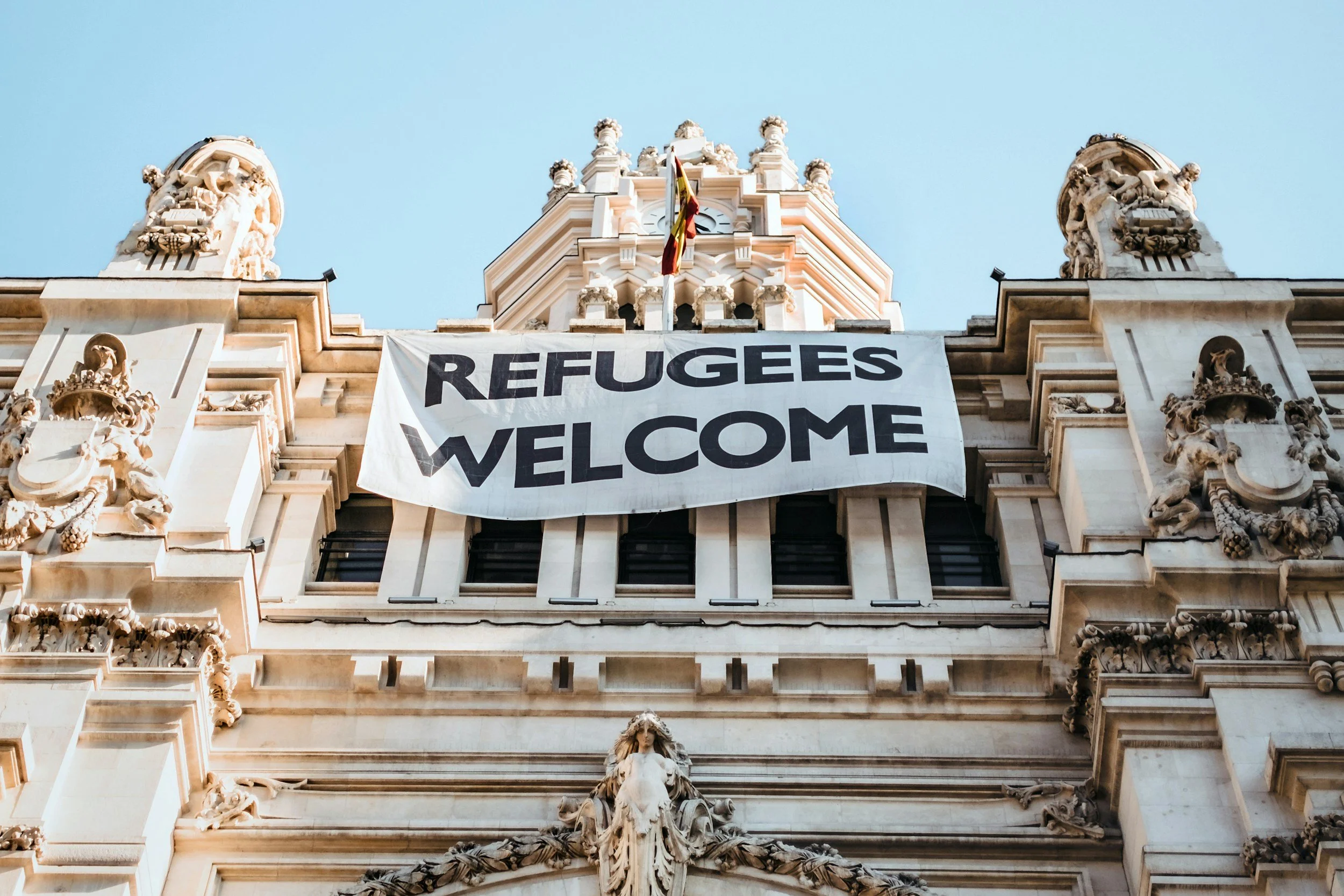
900,000 Rohingya. And the logisticians and health workers who turned a crisis into something that functions.
When more than 700,000 Rohingya fled Myanmar in August 2017, they arrived in Cox's Bazar, Bangladesh. Within months, what emerged was the largest refugee camp in the world: more than 900,000 people in approximately 26 square kilometers.
The humanitarian response required building, in real time, the infrastructure of a city that had not existed, water systems, sanitation, health facilities, schools, protection mechanisms, supply chains, in an area prone to flooding and cyclones, for a population with acute trauma, in a political environment where host government patience was finite.
The logisticians who moved supplies, the water engineers who prevented outbreaks, the protection officers who documented cases, these professionals built, from almost nothing, something that has kept 900,000 people alive for years. Cox's Bazar is not a success story. The Rohingya have not been able to return home. But 900,000 people are alive. Children are in school. Outbreaks have been contained.
900,000 people are alive. Children are in school. Outbreaks have been contained. The humanitarian workers who built that from almost nothing hold the full knowledge of what it cost, and what it means.
The humanitarian worker's operating environment is defined by what is absent. Adequate resources. Sufficient time. Political conditions that support rather than obstruct the work. None of those are reliably present. What is present is the need, and the professionals who have chosen this field have chosen it with full knowledge of that gap. They work within it because the alternative is that no one does.
We Serve Those Who Serve Others.