Mass Gatherings
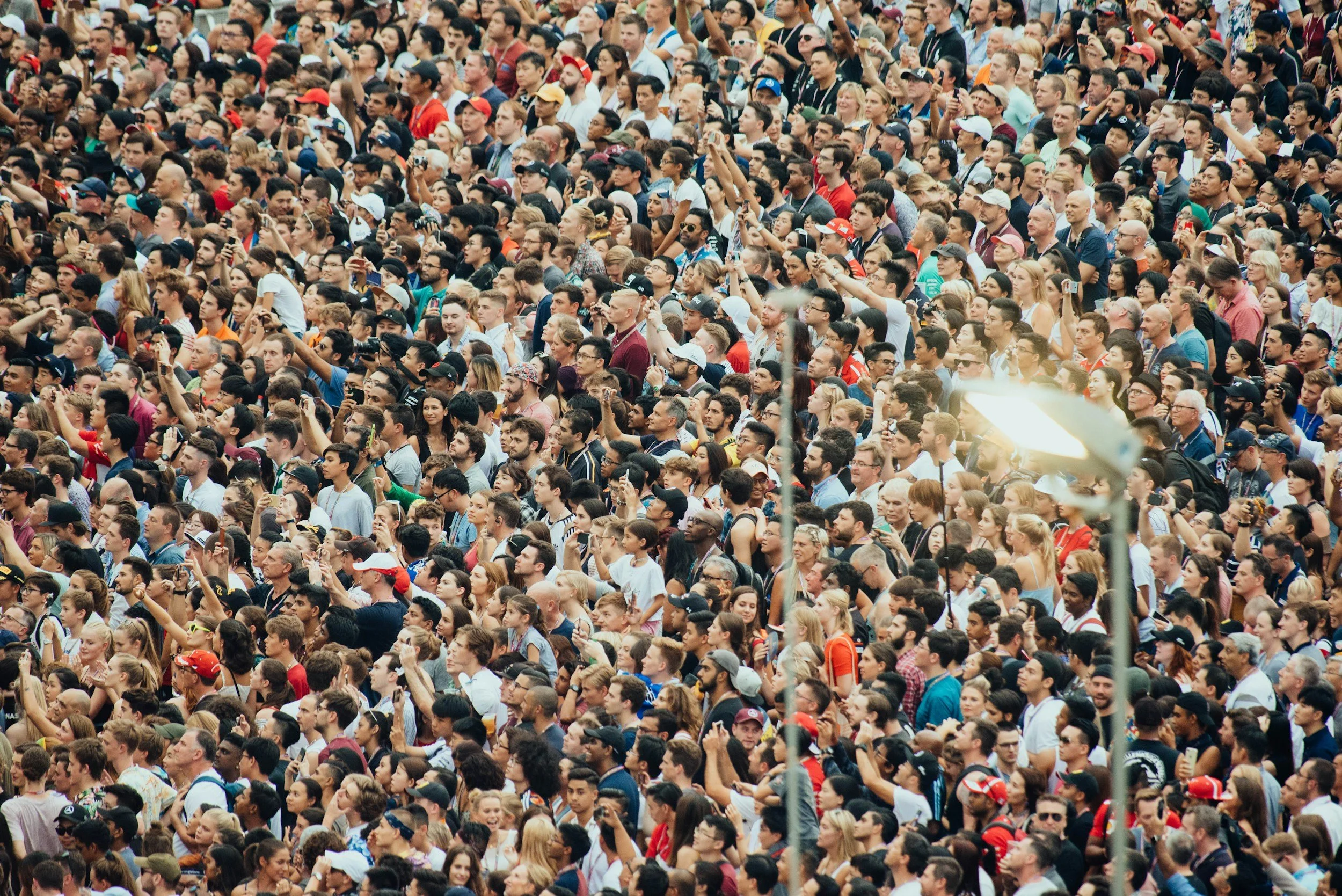
Public assembly exists on a spectrum. At one end, a permitted march with an established route, a known organizer, and a security plan negotiated in advance. At the other, a spontaneous gathering that forms faster than any response plan can be activated, in a political environment that is already volatile, with no single organizer to negotiate with and no established relationship between the crowd and the authorities surrounding it. Most public assemblies exist somewhere between those points. They can move along the spectrum rapidly, in either direction, based on decisions made by organizers, by law enforcement commanders, and by individuals in the crowd whose actions no plan fully anticipates. The professionals who manage public assembly do not control the crowd. They manage the conditions around it.
WASHINGTON, DC * OCTOBER 16, 1995
Million Man March
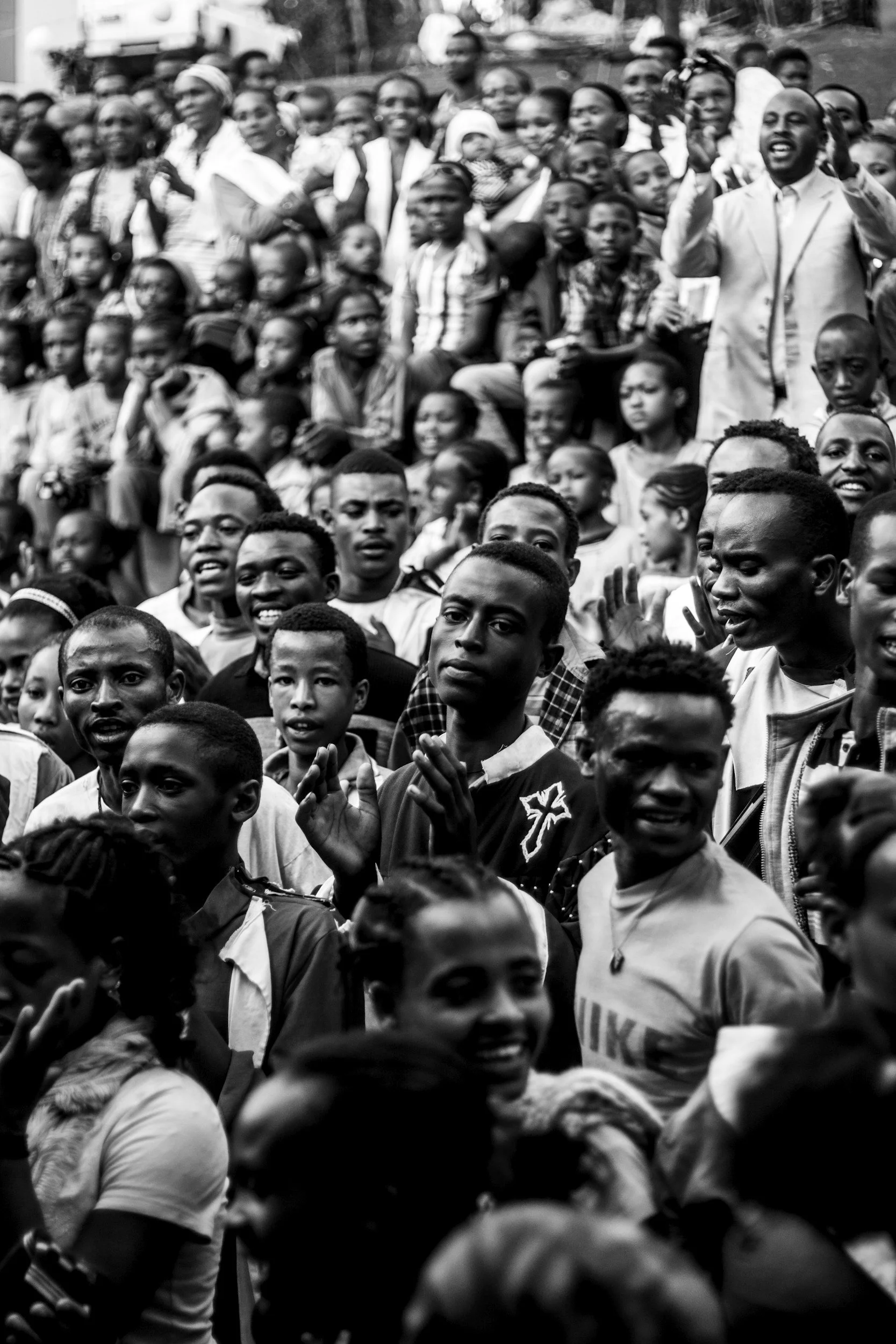
Estimates ranged from 400,000 to over 800,000 people on the National Mall. No significant incidents. No arrests of consequence. The outcome that the surrounding skepticism did not anticipate and that professional preparation made inevitable.
The Million Man March was organized primarily by the Nation of Islam and a coalition of Black community organizations, planned in months rather than years, and executed on the National Mall at a scale that tested every assumption the surrounding security infrastructure held about what community-organized events at that size could produce.
The internal organization of the march is the story that mass gathering management draws on. The organizers deployed their own marshals throughout the crowd — trained, identifiable, positioned to manage flow, respond to medical needs, and de-escalate situations before they required external intervention. The communication systems they built allowed organizers to move information through a crowd of that size without the infrastructure that government-run events typically rely on. The medical pre-positioning was planned and executed by the organizing coalition in coordination with DC emergency services.
The relationship between the march organizers and the surrounding law enforcement apparatus required careful negotiation. The decisions made in those negotiations, about perimeter placement, about the positioning of law enforcement relative to the crowd, about the balance between internal and external security, shaped the environment the crowd experienced on October 16th as much as anything that happened on the day itself.
What the Million Man March demonstrated to public assembly professionals was the capacity of community-based organizations to manage events at a scale that most government agencies would have required years of planning infrastructure to attempt. The organizers built that infrastructure in months, from within the community the march was for, and produced an outcome that the scale of the event did not predict and that the surrounding skepticism did not anticipate.
The organizers built a security and logistics infrastructure in months, from within the community the march was for. The outcome confounded the skepticism that had surrounded the planning. It should not have been a surprise. It was the product of professionals who knew their crowd.
BERLIN, EAST GERMANY * NOVEMBER 4, 1989
Five Days Before the Wall
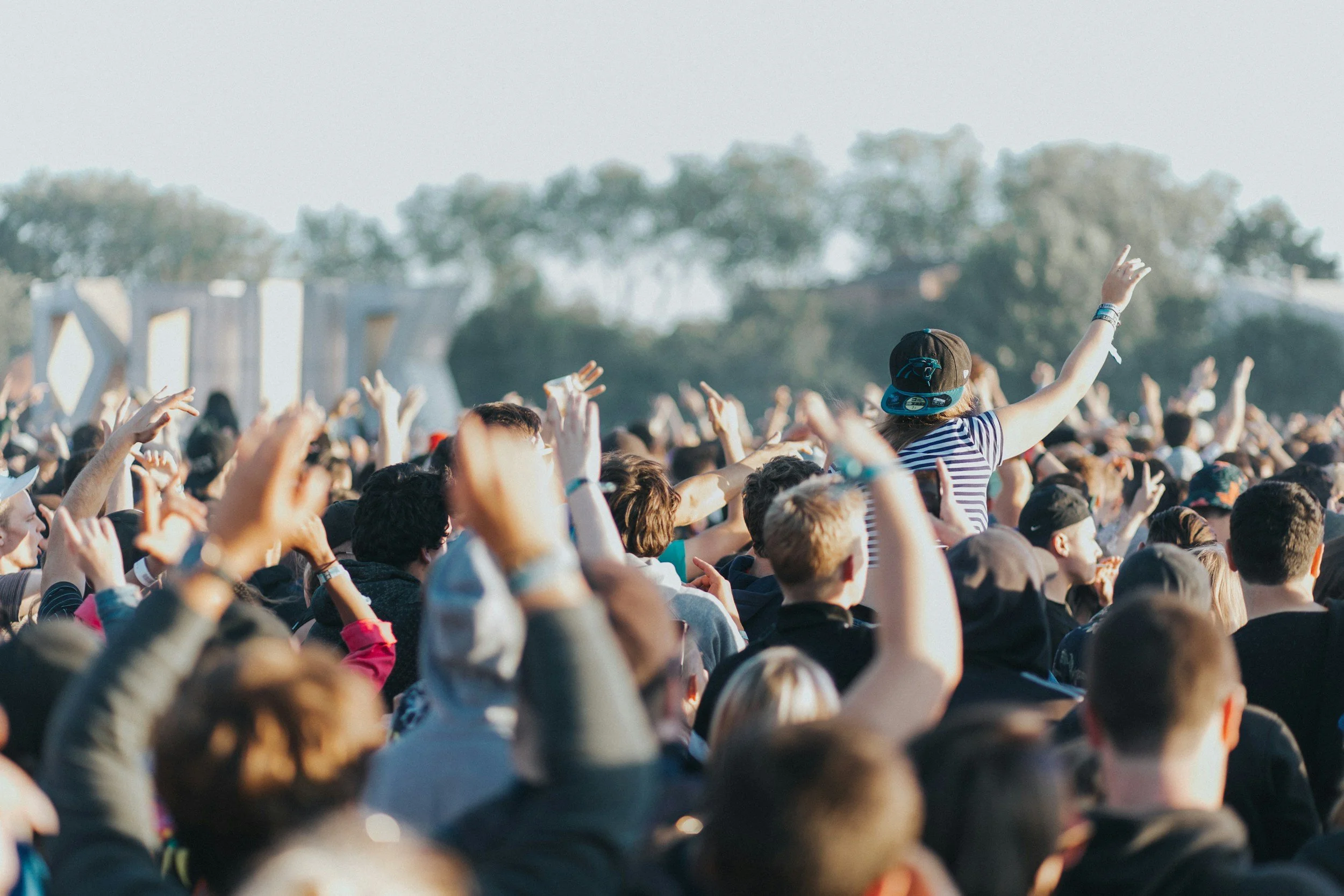
The largest demonstration in East German history. One million people in Alexanderplatz at the moment the political order was visibly collapsing. And the organizers who managed a crowd that size under conditions of maximum institutional uncertainty.
Five days before the Berlin Wall fell, one million people gathered in Alexanderplatz in East Berlin. It had been organized and permitted — by theater workers, artists, and civic organizations who had negotiated with East German authorities for the right to hold it. That negotiation, conducted in a political environment where the ground was shifting daily, was itself an achievement that has received less attention than the event it produced.
The people responsible for managing the crowd on November 4th were operating in an environment where the institutions around them were losing coherence in real time. The East German state that had granted the permit was the same state that was visibly failing to contain the pressure that had produced the demonstration. The security services present were agencies whose relationship to the crowd and to their own command structure was increasingly unclear. The organizers managed the internal dynamics of a million-person assembly while the political context around them was changing hour by hour.
Nothing significant went wrong. One million people gathered, listened, and dispersed. What the November 4th demonstration demonstrated, in the specific sense that matters for public assembly management, was that a crowd of that size, on a day of that political intensity, can be held by organizers who understand their crowd, have planned for the physical demands of the assembly, and have negotiated honestly with the authorities around them. Five days later the Wall came down. The crowd that had assembled peacefully on November 4th had helped make that possible.
The organizers managed the internal dynamics of a million-person assembly while the political context around them was changing hour by hour. Nothing significant went wrong. What that required was not visible on the day. It was built in the weeks of negotiation and planning that preceded it.
WUNITED STATES * MAY 26 - AUGUST 2020
The Summer of 2020
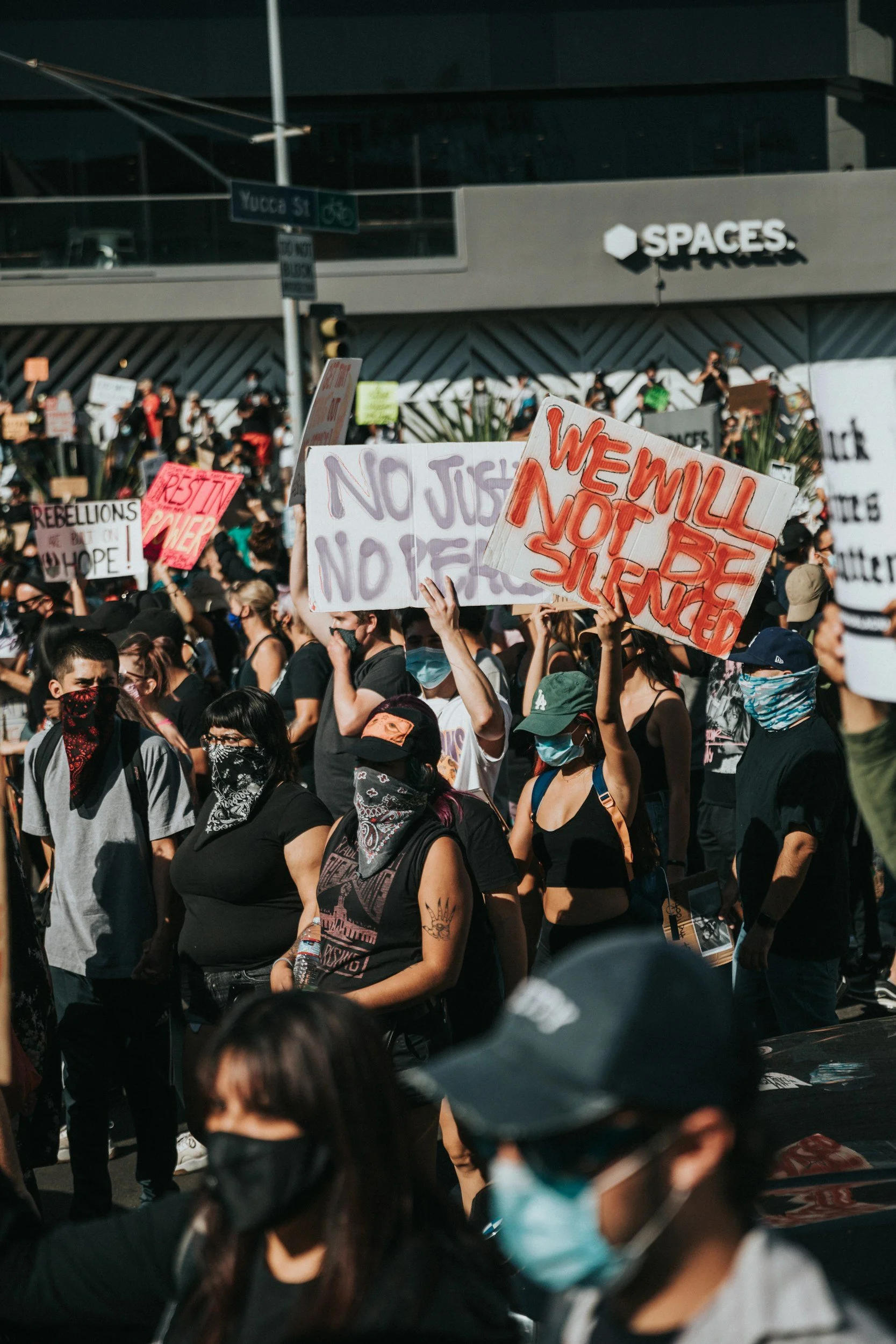
The largest protest movement in American history by participation. Demonstrations in all 50 states, hundreds of cities, simultaneous and largely uncoordinated. The emergency managers and public health professionals navigating a crisis with no unified playbook, during an active pandemic.
The demonstrations that followed the death of George Floyd were not a single event with a single organizer and a single security plan. They were thousands of events, in hundreds of jurisdictions, organized by different groups, with different relationships to local authorities, on different timelines, with different crowd compositions and different threat environments. The emergency managers who worked the summer of 2020 did so without a unified framework because no unified framework existed for what the summer of 2020 was.
The public health dimension alone was without precedent. The demonstrations began eleven weeks into a global pandemic that had already killed more than 100,000 Americans. The same public health officials who had spent those eleven weeks communicating the importance of avoiding large outdoor gatherings were now watching gatherings of tens of thousands in every major American city. The epidemiological modeling of transmission risk at outdoor demonstrations, the guidance on mask use in crowd conditions, the contact tracing implications of events with no attendance records — these problems were being worked in real time by professionals who had no prior framework to draw on.
The law enforcement response varied significantly by jurisdiction. Some cities deployed crowd control measures that escalated rather than contained the situation. Others negotiated with organizers, adjusted deployment postures, and managed events that remained peaceful despite their scale. What the after-action analysis consistently found was that outcomes were determined largely by decisions made before the crowd assembled, in the planning and negotiation phase that the public never sees.
Whether a demonstration remained peaceful, whether injuries occurred, whether public health risk was managed, these were products of decisions made before the crowd assembled. The summer of 2020 produced thousands of those decisions, in hundreds of jurisdictions, simultaneously, without a unified framework for any of them.
MINA VALLEY, SAUDI ARABIA * ANNUAL * 2015 AS ANCHOR
Hajj
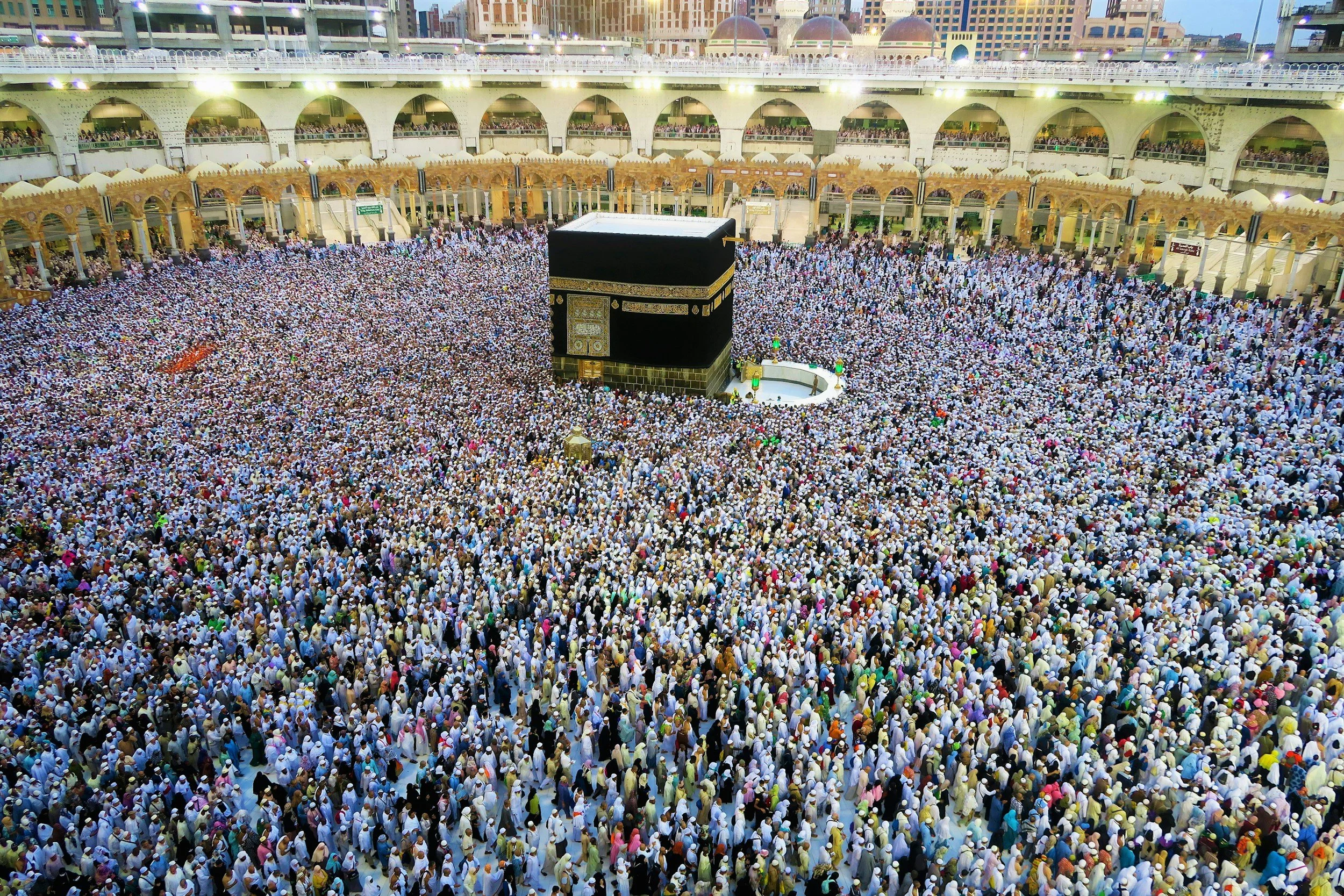
2.5 million pilgrims. Five days. Rituals that are 1,400 years old and cannot be changed to suit the requirements of the people responsible for managing them. The most complex recurring mass gathering in human history, and the professionals who have spent decades trying to close the gap between what it demands and what any system can deliver.
The Hajj is not an event in the sense that emergency managers use the word. It is an obligation. The five days of ritual that approximately 2.5 million Muslims from every nation on earth perform annually in and around Mecca are prescribed in their sequence, their timing, and their geography by religious law that has governed the pilgrimage for fourteen centuries. The crowd management professionals, public health teams, and security coordinators responsible for the Hajj do not have the option available to every other mass gathering manager: they cannot move the event, change the venue, alter the schedule, or redesign the ritual to reduce the density at the points where density becomes dangerous. The rituals are fixed. The professionals work around them.
What that produces is the most demanding recurring crowd management problem in human history. On the day of the Stoning of the Devil ritual at the Jamarat Bridge in Mina, millions of pilgrims converge on a single geographic point within a compressed time window determined by religious obligation. They arrive from multiple directions, at rates that the bridge and the surrounding infrastructure must absorb simultaneously, in heat that regularly exceeds 45 degrees Celsius, carrying the physical and emotional weight of a journey that for many pilgrims represents the most significant act of their lives. The crowd density at peak moments exceeds what crowd safety science considers survivable if flow stops.
On September 24, 2015, flow stopped. Two crowd streams converged at Street 204 in Mina during the Stoning of the Devil ritual. The compression that resulted killed at least 769 people by the Saudi government's official count. Independent estimates based on national government reports from affected countries placed the death toll significantly higher, with some analyses exceeding 2,000. It was the deadliest incident in the history of the Hajj and one of the largest crowd crush events ever recorded.
The Saudi government's response to the 2015 incident and to the series of crowd disasters that had preceded it over three decades has been the most sustained investment in mass gathering infrastructure and crowd management science of any single event in history. The Jamarat Bridge, where multiple fatal crushes occurred between 1994 and 2006, was rebuilt as a five-story structure with a capacity and flow design that addressed the specific convergence dynamics that had produced the earlier disasters. Real-time crowd monitoring systems using aerial surveillance, sensor networks, and crowd density modeling were deployed across the Mina valley. Phased movement schedules, coordinated by nationality and tent city location, were introduced to distribute the peak load of the Stoning ritual across a longer time window.
The public health operation that runs alongside the crowd management infrastructure is its own limit case. 2.5 million pilgrims arriving from every country on earth, many of them elderly, many traveling from regions with different disease profiles, all converging in close physical proximity in extreme heat over five days. The Saudi Ministry of Health deploys more than 25,000 health workers during the Hajj period. Field hospitals, mobile medical units, and heat stroke treatment centers are positioned throughout the pilgrimage route. The surveillance system that monitors for infectious disease outbreak during the Hajj is one of the most sensitive in the world, because the epidemiological consequences of a pathogen moving through 2.5 million people who then return to every country on earth within days of each other are not a theoretical concern. They are a planning reality that the public health professionals managing the Hajj work against every year.
The security operation adds a third layer of complexity that neither the crowd management nor the public health infrastructure fully addresses. The Hajj draws pilgrims from countries with active conflicts, from populations with legitimate grievances against host nation policies, and from a geopolitical environment in which the holy sites themselves carry political and sectarian significance that extends far beyond the religious obligation they serve. The security professionals managing the Hajj work in an environment where the crowd they are protecting and the threat environment they are managing against are not easily separated, where the cultural and religious sensitivities of the pilgrimage constrain the security measures that can be deployed, and where the diplomatic relationships between Saudi Arabia and the governments of 180 countries shape what cooperation is available and what is not.
What the Hajj teaches the mass gathering and public assembly field is not that the problem is unsolvable. The Saudi investment in infrastructure, crowd science, public health capacity, and security coordination has demonstrably reduced the frequency and severity of incidents over three decades. It teaches something more fundamental: that the gap between the state of the art in crowd management and the demands of the most complex recurring gathering on earth must be measured honestly, closed continuously, and never considered finished. The pilgrims who arrive in Mecca each year are not abstractions in a crowd flow model. They are the most important people in the world to the families waiting for them to come home.
The crowd management professionals, public health teams, and security coordinators responsible for the Hajj do not have the option available to every other mass gathering manager. They cannot move the event, change the venue, alter the schedule, or redesign the ritual. The rituals are fixed. The professionals work around them. Every year.
Mass gatherings do not fail or succeed because of what law enforcement does. It fails or succeeds because of the relationship between the crowd, its organizers, and the authorities managing the space around it. That relationship is built before the assembly begins, in negotiations that determine whether the crowd experiences the surrounding security presence as protective or threatening, and whether the organizers have enough operational control of their own event to manage what the authorities around them cannot. The jurisdictions that have produced the best outcomes in public assembly management have done so by investing in those relationships before the assembly, not by deploying more resources on the day. The crowd that disperses peacefully does so because someone did the work to make that the most likely outcome before the first person arrived.
We Serve Those Who Serve Others.