Natural Hazards
The question in natural hazard response is never whether the event will occur. It is whether the response will be ready when it does. Earthquakes, tsunamis, cyclones, floods, and heat events follow patterns that science understands well enough to prepare for. What determines the death toll is not the hazard. It is the gap between what the hazard demands and what the response can deliver.
MOZAMBIQUE * MARCH - APRIL 2019
Unprecedented
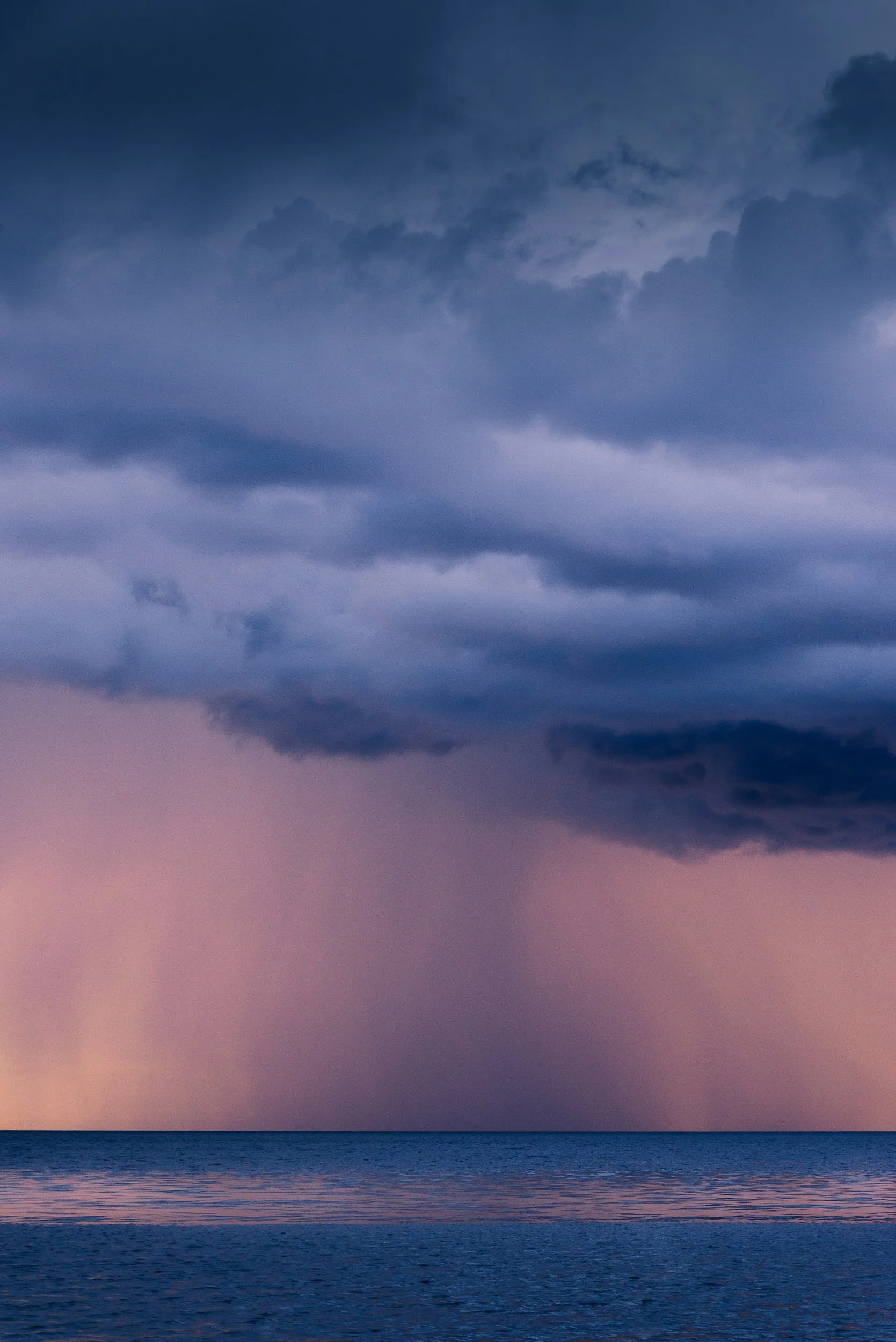
Something no country had experienced in recorded history. And the public works professionals who rebuilt a water system because the alternative was a cholera outbreak.
Mozambique in 2019 experienced something unprecedented in recorded meteorological history: two major tropical cyclones striking the same country in the same season, six weeks apart. Idai made landfall on March 14th, devastating Beira. Kenneth made landfall on April 25th, striking the north before the response to Idai was complete.
The restoration of safe drinking water to Beira in the weeks after Idai is one of the most significant public works achievements in recent disaster history. Engineers and water system technicians worked in a city with no power, limited equipment, and a population already traumatized by one of the most powerful storms ever to strike the African continent. They worked knowing that the alternative to success was a cholera outbreak. Cholera did emerge. The outbreak was contained. In Beira today, the water system runs. The roads connect. The port operates. None of that happened by accident. It happened because people with specific technical skills showed up in the aftermath of a storm that had reorganized the physical landscape and began the patient, unglamorous work of rebuilding it.
They worked knowing that the alternative to success was a cholera outbreak in a population that was already traumatized. They worked anyway. The outbreak was contained.
EUROPE * AUGUST 2003
Heat Wave

The deaths accumulated quietly, in apartments without air conditioning, in care homes with inadequate cooling, in the bodies of elderly people living alone whose neighbors did not know to check on them. The system did not see a mass casualty event because it had not been built to look for one that looked like this.
70,000 excess deaths in two weeks. No storm. No flood. No visible disaster. Just heat — and the public health systems that did not recognize a mass casualty event until the morgues were full.
The summer of 2003 was the hottest in Europe since reliable records began. In the first two weeks of August, temperatures across France, Germany, Italy, Spain, Portugal, and the United Kingdom reached levels the continent's infrastructure, housing stock, and public health systems were not designed to manage. There was no dramatic initiating event. No moment when emergency managers knew they were inside a mass casualty incident. The deaths accumulated quietly, in apartments without air conditioning, in care homes with inadequate cooling, in the bodies of elderly people living alone whose neighbors did not know to check on them.
France bore the heaviest toll. Approximately 15,000 excess deaths in two weeks, the majority of them people over 75, living alone, in urban apartments that retained heat through the night and offered no relief. The French public health surveillance system did not register the scale of what was happening until the morgues in Paris began to fill and funeral homes reported they could not keep pace with the volume of deaths. By the time the emergency was publicly acknowledged, the peak of the heat event had already passed.
The public health professionals who conducted the post-event analysis found a system that had not been designed to see this kind of emergency coming. Heat mortality is diffuse. It does not present at emergency rooms in the way that trauma does. It accumulates in the homes of people who are already isolated, already frail, already outside the networks of daily contact that would register their absence. The surveillance systems that existed were built to detect infectious disease outbreaks, not the slow accumulation of heat-related deaths across a dispersed urban population.
What France built after 2003 - a national heat wave warning and response plan, mandatory cooling centers, a registry of vulnerable isolated elderly residents, a neighbor check protocol activated when temperatures exceed defined thresholds - became the model that public health systems across Europe adopted. The epidemiologists and public health planners who built it did so from the specific knowledge of what an undetected heat emergency looks like from inside the data. They built a system designed to see what the 2003 system could not see until it was too late.
The European heat wave of 2003 is studied in public health emergency management as the event that defined extreme heat as a mass casualty hazard requiring the same systematic preparation as any other. Before 2003 that case was difficult to make institutionally. After 2003 the 70,000 dead made it for them.
ODISHA, INDIA * OCTOBER 29, 1999 AND 0CTOBER 12, 2013
10,000 VS 45
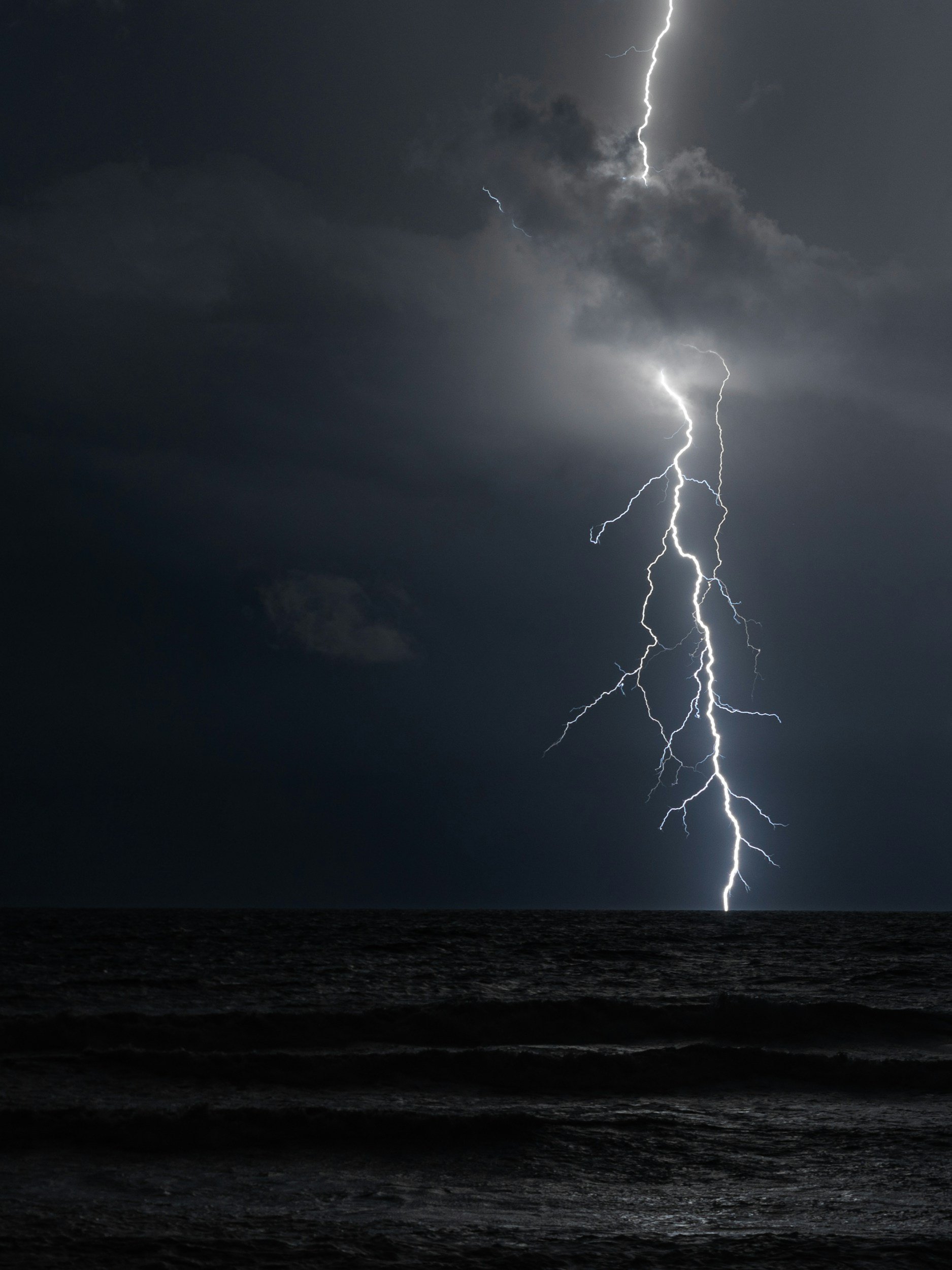
Two storms. The same coast. Fourteen years apart. A number that is the measure of everything that happened in between.
The most powerful tropical cyclone to strike the Indian subcontinent in the twentieth century made landfall on the Odisha coast on October 29, 1999. It carried winds exceeding 260 kilometers per hour. The storm surge reached five to six meters. Approximately 10,000 people died. Fifteen million were affected. The Odisha coast, one of the most cyclone-exposed coastlines in the world, had no adequate early warning system. No network of shelters positioned where people could reach them. No community volunteers trained to move people in the hours before landfall. The emergency management system that existed was not built for what arrived.
What followed was one of the most significant transformations of emergency management capacity in any nation in the modern era. The Odisha Disaster Management Authority was built. Cyclone shelters were pre-positioned within walking distance of the most exposed communities. Early warning systems were constructed and integrated with community-level communication networks. Tens of thousands of community volunteers, most of them women, were trained in evacuation procedures, first aid, and shelter management.
On October 12, 2013, Cyclone Phailin made landfall on the same coast with comparable intensity. The Odisha government evacuated 980,000 people in the forty-eight hours before landfall. Forty-five people died. The distance between 10,000 and 45 is not technology. It is not money, though money was part of it. It is not infrastructure, though infrastructure was part of it. The distance between 10,000 and 45 is the people who spent fourteen years building a system that did not exist, and who trusted, when the storm came again, that the system would hold.
The difference between 10,000 and 45 is the people who spent fourteen years building a system that did not exist, and who trusted, when the storm came again, that the system would hold.
INDIAN OCEAN * DECEMBER 26, 2004
Tsunami
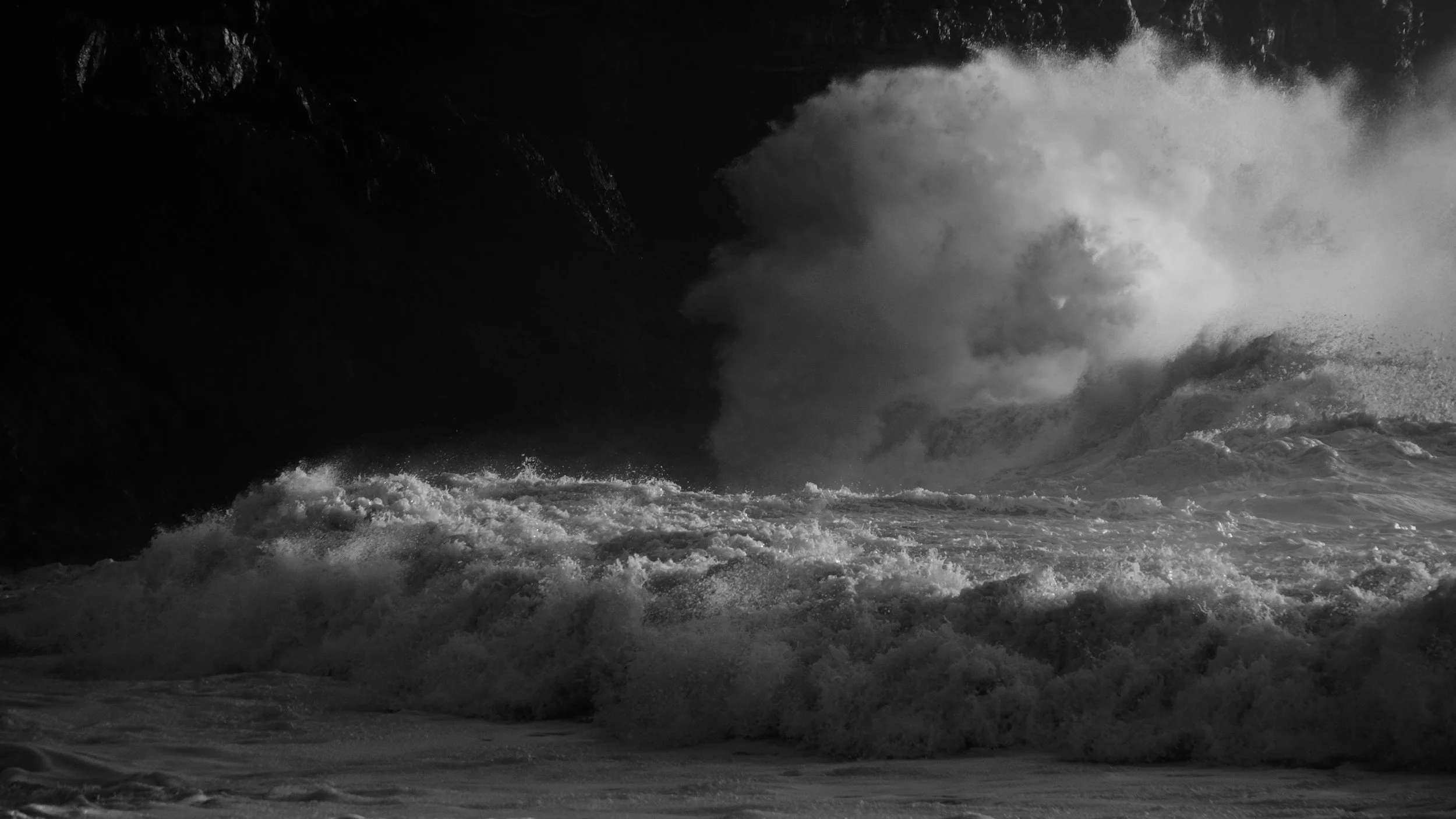
"In the minutes before any formal response existed, the people who saved lives were local. A schoolgirl who recognized what she had learned in geography class two weeks earlier. A fisherman who had seen the water behave strangely. Hotel staff who made a decision without a protocol to follow. The formal response came later. They were first."
14 countries. 227,000 dead. A warning system that existed in the Pacific but not in the Indian Ocean. And the local fishermen, hotel staff, and community members who were the first responders for every country the wave reached simultaneously.
The earthquake that generated the Indian Ocean tsunami struck at 7:59 a.m. local time, 250 kilometers off the coast of northern Sumatra. Magnitude 9.1. The energy it released was equivalent to 23,000 Hiroshima bombs. The seafloor displacement it caused sent waves outward in every direction at the speed of a commercial aircraft.
The countries in the wave's path had no warning system. The Pacific Tsunami Warning Center in Hawaii detected the earthquake and issued alerts, but had no protocol for notifying Indian Ocean nations and no contact list that would have made notification possible in the time available. In the 15 minutes between the earthquake and the first wave striking the Sumatran coast, and the two hours before it reached Sri Lanka, India, and Thailand, no official warning reached the populations in its path.
What happened in those minutes and hours was entirely local. A British schoolgirl named Tilly Smith, who had learned about tsunamis in geography class two weeks earlier, recognized the receding waterline on a beach in Phuket and told her parents, who told the hotel, which evacuated the beach. A local fisherman in Tamil Nadu who had seen the water behave strangely ran through his village telling people to move to higher ground. Hotel staff in Sri Lanka who felt the earthquake and made a decision without a protocol to follow. These individuals, acting on instinct, incomplete knowledge, and the willingness to look foolish if they were wrong, saved lives in the minutes before any formal response existed.
The international response that followed was the largest in history to that point: 6.25 billion dollars, military assets from dozens of nations, humanitarian organizations operating across 14 countries simultaneously. The coordination challenge it produced - multiple sovereign governments, multiple military forces, dozens of humanitarian organizations, and no single authority - became the case study that reformed international disaster response coordination. The cluster system that now organizes humanitarian response globally was developed directly from the lessons of the Indian Ocean tsunami response.
The Indian Ocean Tsunami Warning System, established in 2006, covers the same geography that had no warning infrastructure on December 26, 2004. The seismologists, oceanographers, and communications engineers who built it did so with the specific knowledge of what the absence of a warning system costs measured in human lives.
The difference between a natural hazard and a natural disaster is preparation. The same earthquake that kills thousands in one country causes a fraction of that toll in another with better building codes, better early warning, and better evacuation systems. That difference is not geological. It is the product of decisions made by professionals working in the years and decades before the ground moved. Their names are not in the coverage. Their work is in the number that did not get higher.
We Serve Those Who Serve Others