Special Security Events
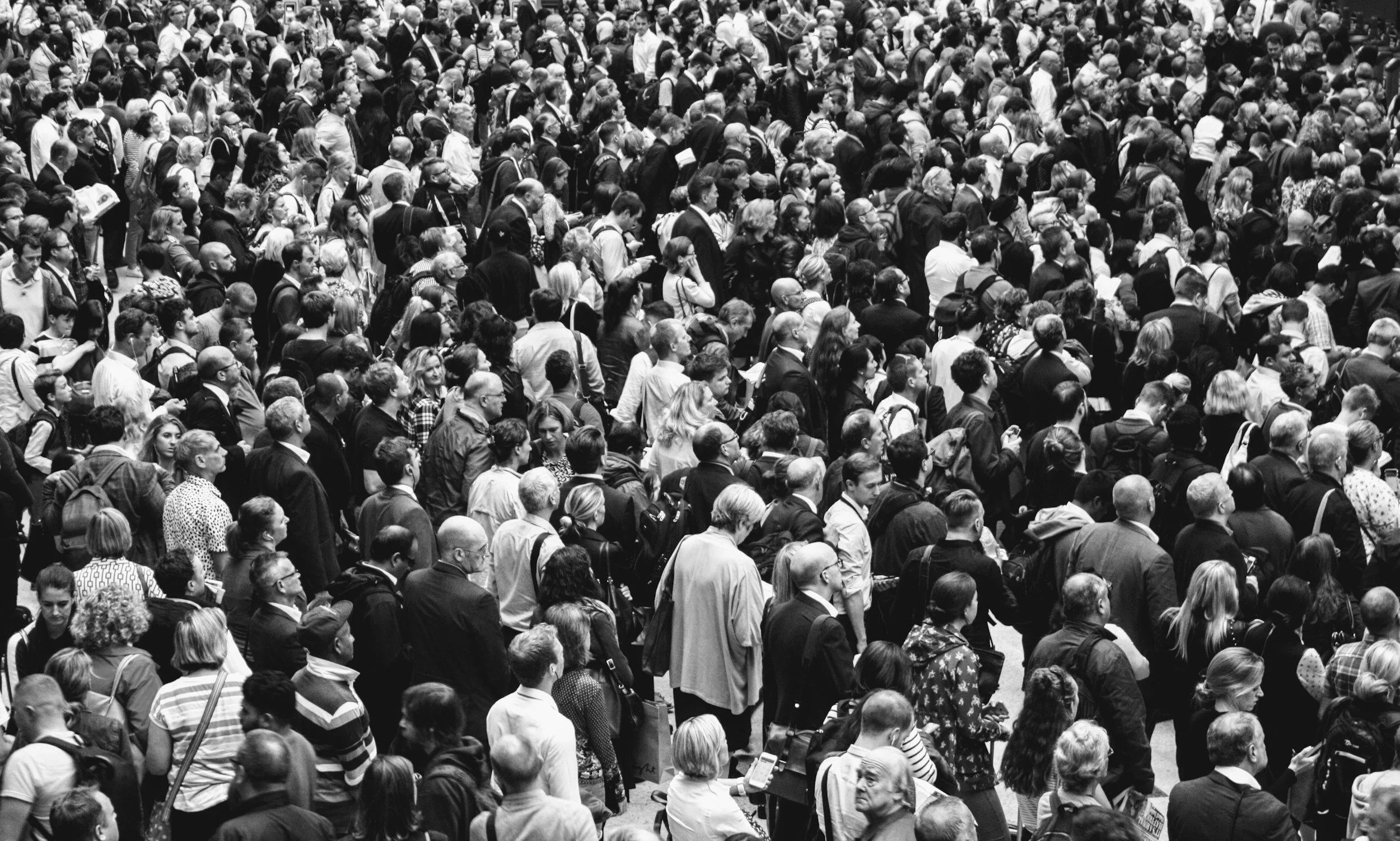
The Super Bowl. The Olympic Games. A presidential inauguration. A papal visit. These events share a defining characteristic: failure is not an option that the people responsible for them are permitted to consider. The date is set years in advance. The venue is fixed. The crowd size is known within a reasonable margin. The security architecture is built deliberately, tested repeatedly, and staffed by professionals who have had months or years to prepare for a day that, if they do their jobs correctly, will be entirely unremarkable. The measure of success is that nothing happens. The measure of excellence is that it looks easy.
WASHINGTON, DC * JANUARY 20, 2009
Presidential Inauguration
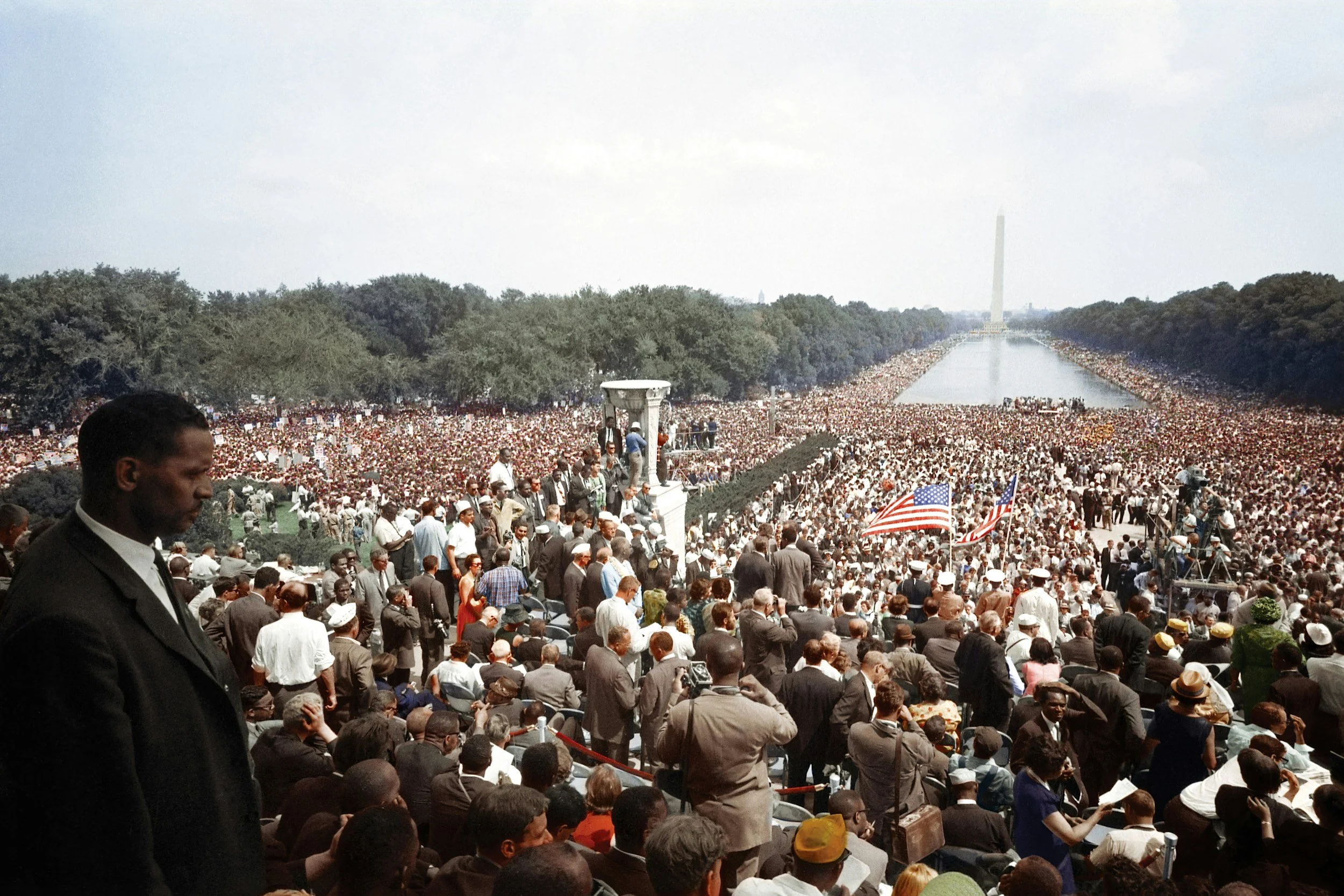
1.8 million - the largest crowd in the history of Washington DC. 58 agencies in unified command. And the tunnel system that came within minutes of a crush that would have defined the day for a different reason.
The first inauguration of Barack Obama drew an estimated 1.8 million people to the National Mall, the largest crowd ever assembled in Washington DC and one of the largest single-day gatherings in American history. The United States Secret Service designated it a National Special Security Event, the highest security classification available for a civilian gathering, triggering a unified command structure that eventually encompassed 58 federal, state, and local agencies.
The planning began more than a year before January 20th. Crowd flow modeling. Perimeter design. Credential architecture for the 240,000 ticket holders in the secured area and the 1.5 million people in the general viewing areas beyond it. Medical pre-positioning for a crowd that size on a January morning in a city whose Metro system was not designed to move that volume of people in a single direction simultaneously.
The tunnel system beneath the Mall became the most acute operational problem of the day. Ticketed guests moving through designated pedestrian tunnels encountered bottlenecks that built faster than the crowd flow models had predicted. In several locations the compression reached levels that required immediate intervention. The officers and crowd safety coordinators who recognized what was developing and intervened before it became a crush made decisions in real time that the planning had prepared them to make but that the planning could not execute for them. The tunnels held. The crowd moved. 1.8 million people went home.
The Obama inauguration is studied in special event security not because anything went wrong but because the scale of what went right was unprecedented. The unified command structure that coordinated 58 agencies without a significant breakdown in communication or authority is the model that subsequent National Special Security Events have built from.
The officers who recognized what was developing in the tunnel system and intervened before it became a crush made decisions that the planning had prepared them to make but that the planning could not execute for them. That is the irreducible human element of mass gathering security at any scale.
MUNICH, WEST GERMANY * SEPTEMBER 5, 1972
Olympics
11 Israeli athletes and coaches killed. The security failure that built the entire architecture of modern Olympic and special event security. The professionals who have worked from that standard ever since.
The 1972 Munich Olympics were designed to present a specific image: a peaceful, open, welcoming Germany, twenty-seven years after the end of the Second World War. The security posture reflected that intention. Armed police were kept out of the Olympic Village. Perimeter security was deliberately light. The design philosophy prioritized openness over protection.
On September 5th, eight members of the Palestinian militant group Black September entered the Olympic Village, killed two members of the Israeli Olympic team, and took nine others hostage. The subsequent rescue attempt at Fürstenfeldbruck airfield failed. All nine hostages were killed, along with a West German police officer and five of the eight attackers.
What Munich produced institutionally was the foundation of modern special event security. Every subsequent Olympics, every Super Bowl, every G7 summit, every event that carries consequence beyond itself has been planned against the standard that Munich established. Dedicated counterterrorism units. Hardened perimeter security. Intelligence integration into event planning. The specific protocols for managing a hostage situation inside an active event venue. None of that architecture existed in the form it takes today before September 5, 1972.
The security professionals who plan major international events carry Munich not as a historical cautionary tale but as a present operational reference. The question they ask in every planning meeting is the same question that the Munich security planners did not ask: what are we not protecting against, and what does that cost if we are wrong.
Every subsequent Olympics, every Super Bowl, every event that carries consequence beyond itself has been planned against the standard that Munich established. The security professionals who plan these events carry Munich not as history but as a present operational reference.
VATICAN CITY AND GLOBAL * 1979 - 2004
Papal Visits
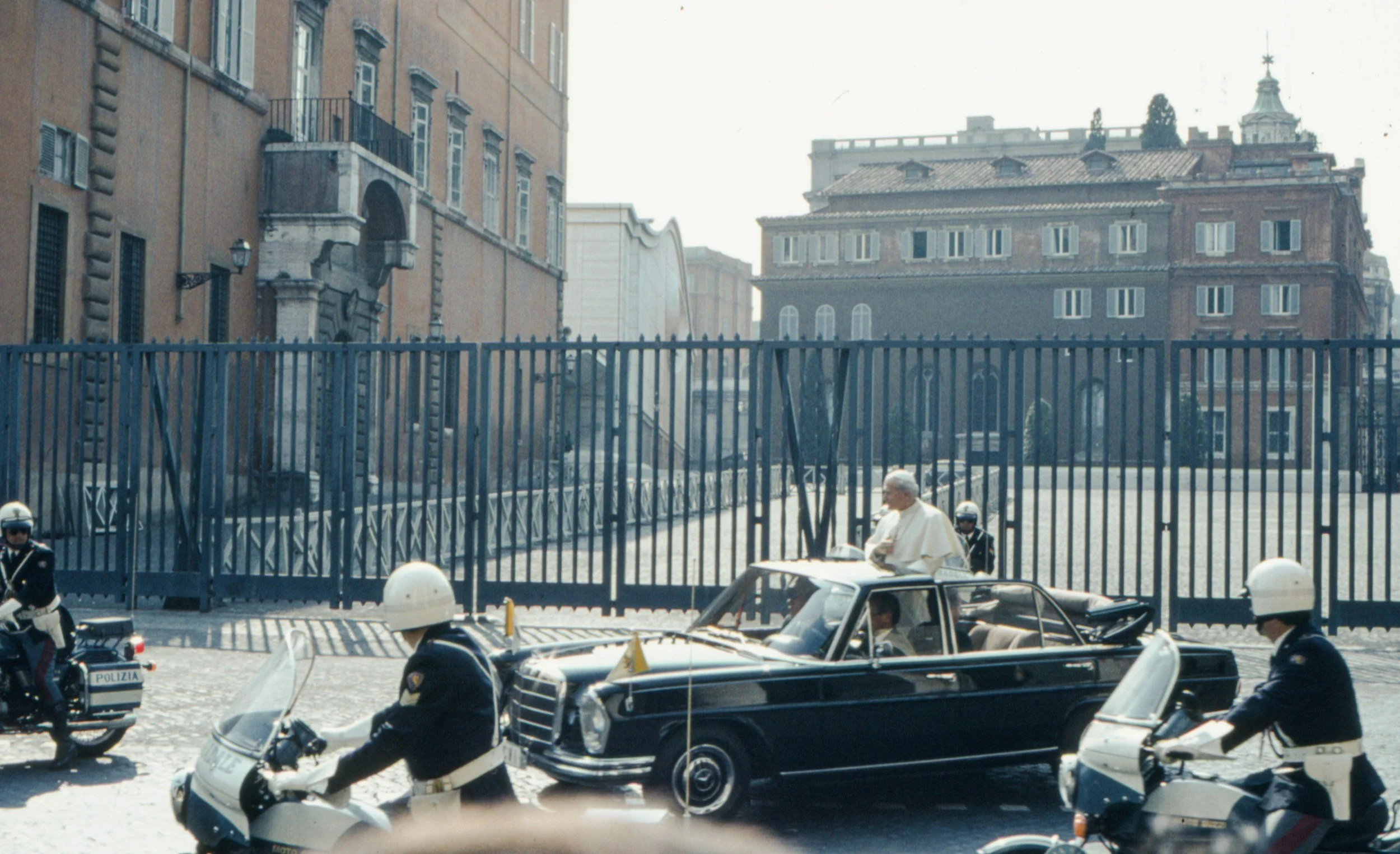
104 countries. Crowds regularly exceeding one million people. An assassination attempt that restructured Vatican security permanently. And the specific challenge of protecting a principal whose pastoral mission required exactly the access that protection doctrine said he could not have.
Pope John Paul II traveled to 104 countries over the course of his pontificate. He drew crowds that regularly exceeded one million people, in cities across every continent, in political environments that ranged from stable democracies to active conflict zones. The security professionals responsible for his protection operated in a context that had no direct parallel in the principal protection field: a head of state whose entire public purpose required physical proximity to unscreened crowds at a scale that no protection doctrine could adequately secure.
On May 13, 1981, Mehmet Ali Ağca shot John Paul II twice in St. Peter's Square as the Pope moved through the crowd in the open vehicle that had become standard for papal public appearances. John Paul II survived. The security protocols that surrounded his public appearances did not survive in the form they had taken before that afternoon.
What followed was a fundamental restructuring of Vatican security and of the host nation security arrangements that accompanied every subsequent papal visit. The Popemobile, the enclosed bulletproof vehicle that replaced the open jeep, became the most visible symbol of that restructuring. Less visible were the changes to crowd screening protocols, to advance security work in host cities, and to the coordination between Vatican security and host nation law enforcement that papal visits require.
The tension that defined papal visit security for the remaining twenty-three years of John Paul II's pontificate was not technical. It was relational. John Paul II consistently pushed against the security posture his protection detail recommended. He stopped the Popemobile to embrace children in the crowd. He insisted on walking through spaces that his security team had not fully cleared. He understood that the physical distance that protection doctrine required was in direct conflict with the pastoral presence that his role demanded, and he made his position on that conflict clear repeatedly.
The security professionals who managed papal visit security under those conditions were solving a problem that principal protection doctrine does not fully address: how do you protect someone who has made an informed decision that the mission is worth the risk, and who has the authority to override your recommendations. The answer they built, visit by visit, country by country, was a layered security architecture that reduced risk to the lowest achievable level while accepting that the principal would not accept the level that pure protection doctrine would have required. It was security designed around a human reality rather than an abstract standard.
The security professionals who managed papal visit security were solving a problem that principal protection doctrine does not fully address: how do you protect someone who has decided that the mission is worth the risk, and who has the authority to override your recommendations. The answer they built, visit by visit, was security designed around a human reality rather than an abstract standard.
High-security special events operate under a standard that most emergency planning does not require: failure is not an option that can be absorbed, learned from, and corrected. The consequences extend beyond the event itself. A security breakdown at a presidential inauguration is a constitutional crisis. An attack at the Olympic Games is an international incident. The professionals who plan these events carry that weight into every decision, from the initial threat assessment to the final security sweep. What separates their work from standard event security is not the size of the crowd. It is the nature of what is at stake if the preparation is wrong.
We Serve Those Who Serve Others.